
Last updated November 16, 2026
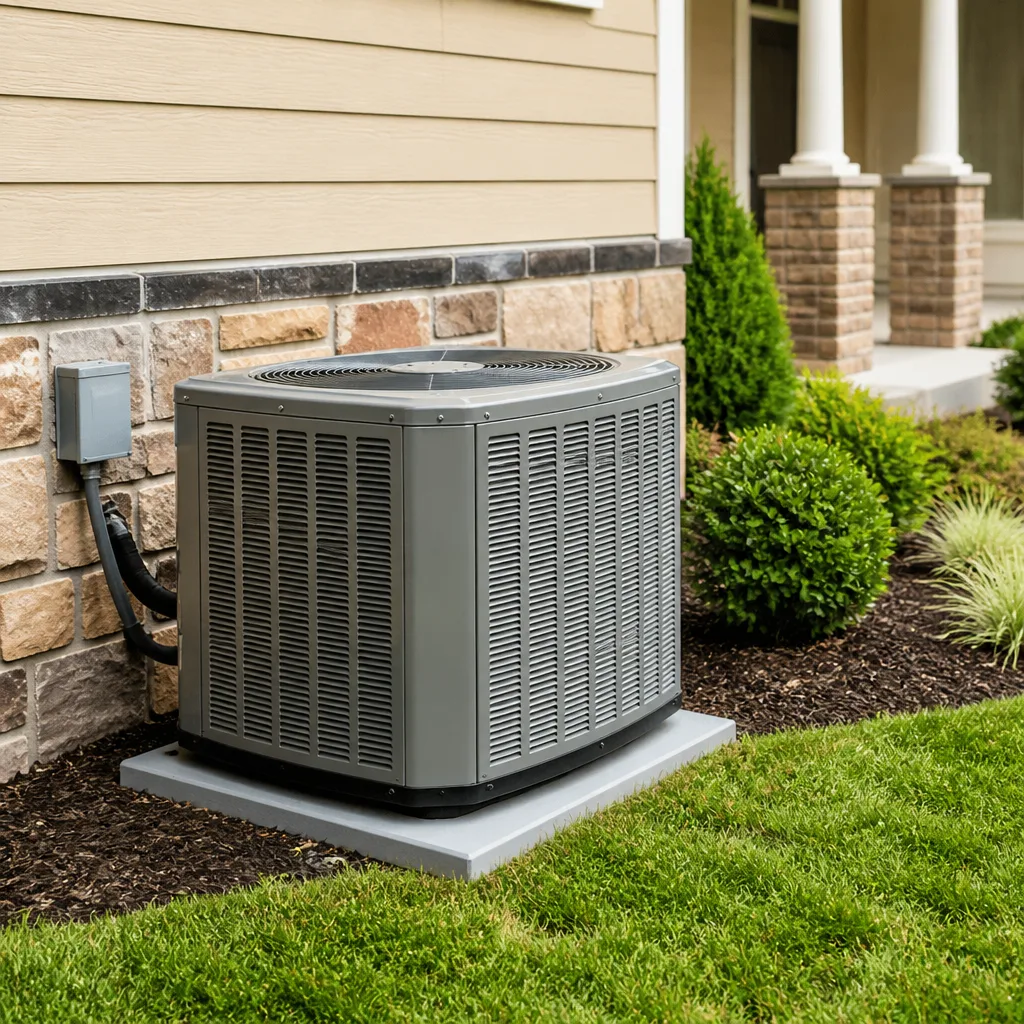 AC repair
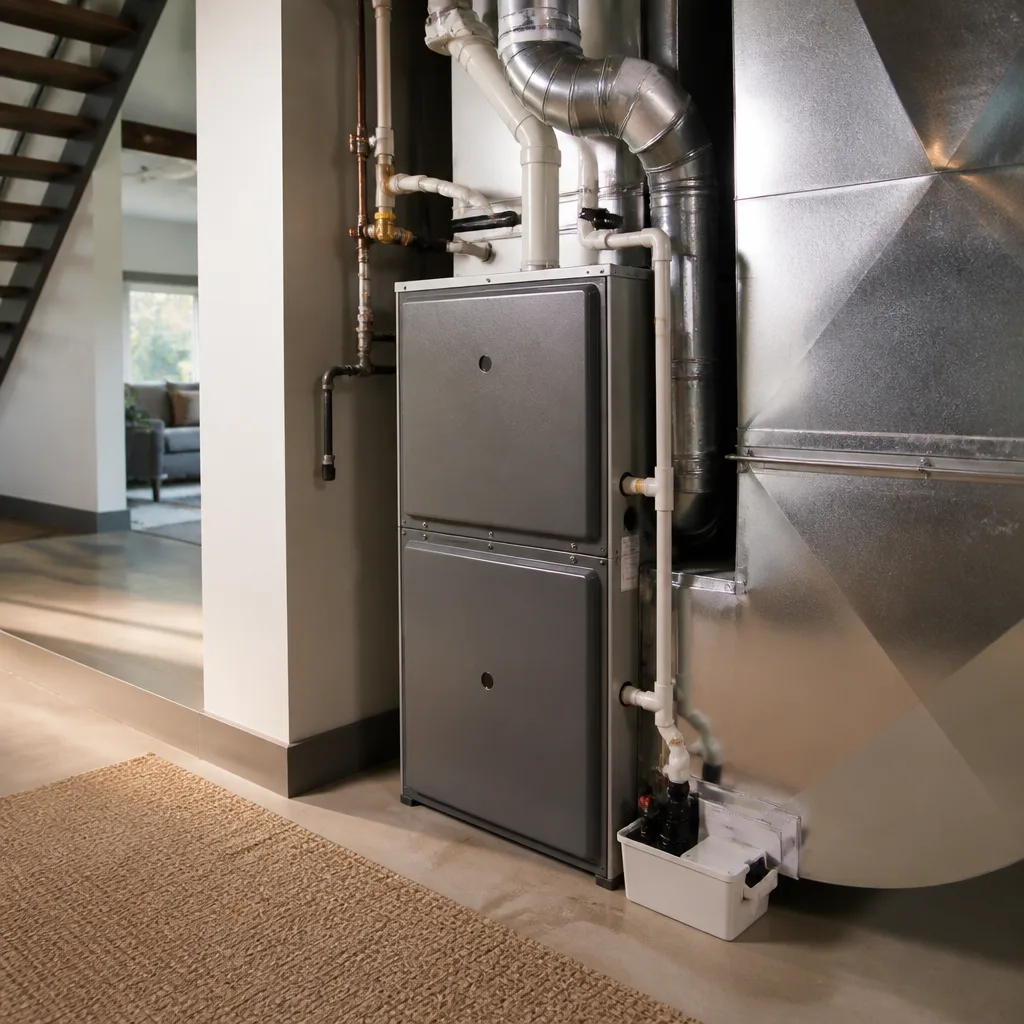 Furnace & heating
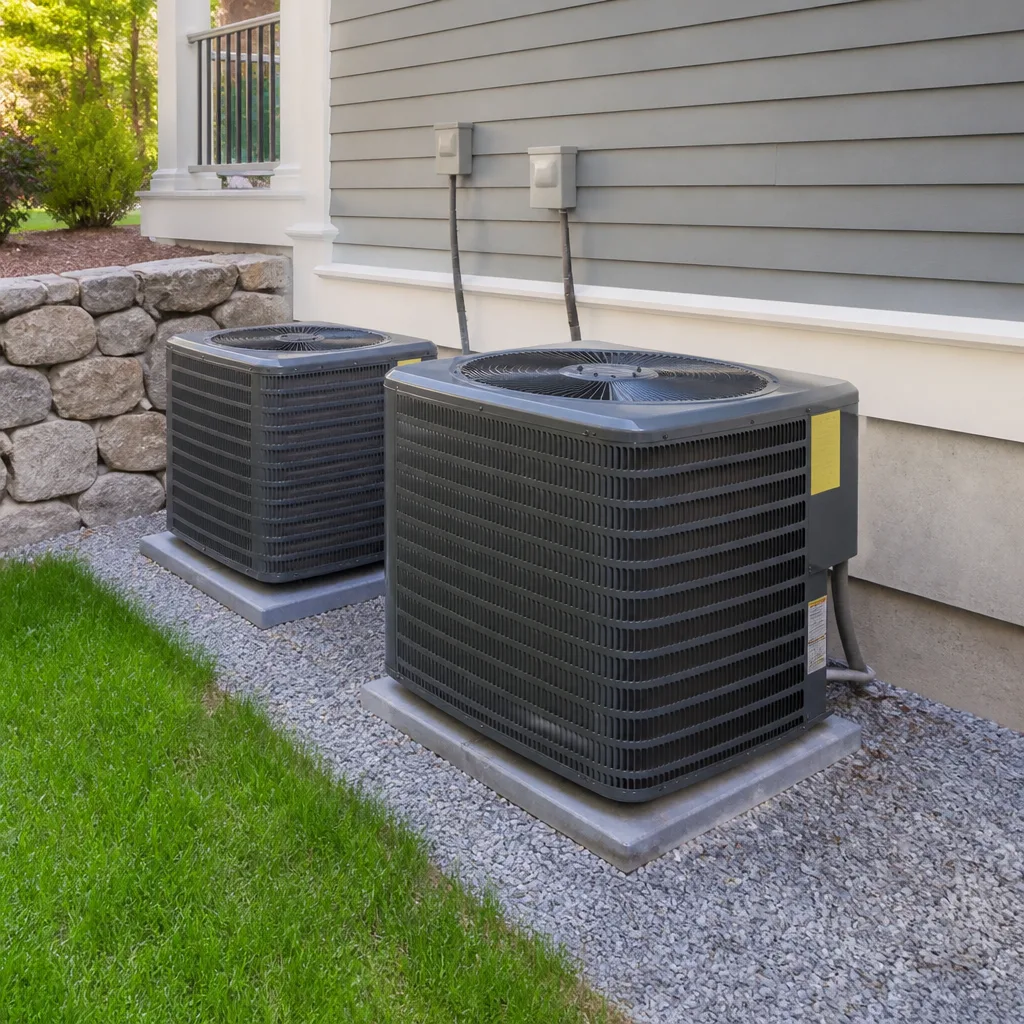 Heat pumps
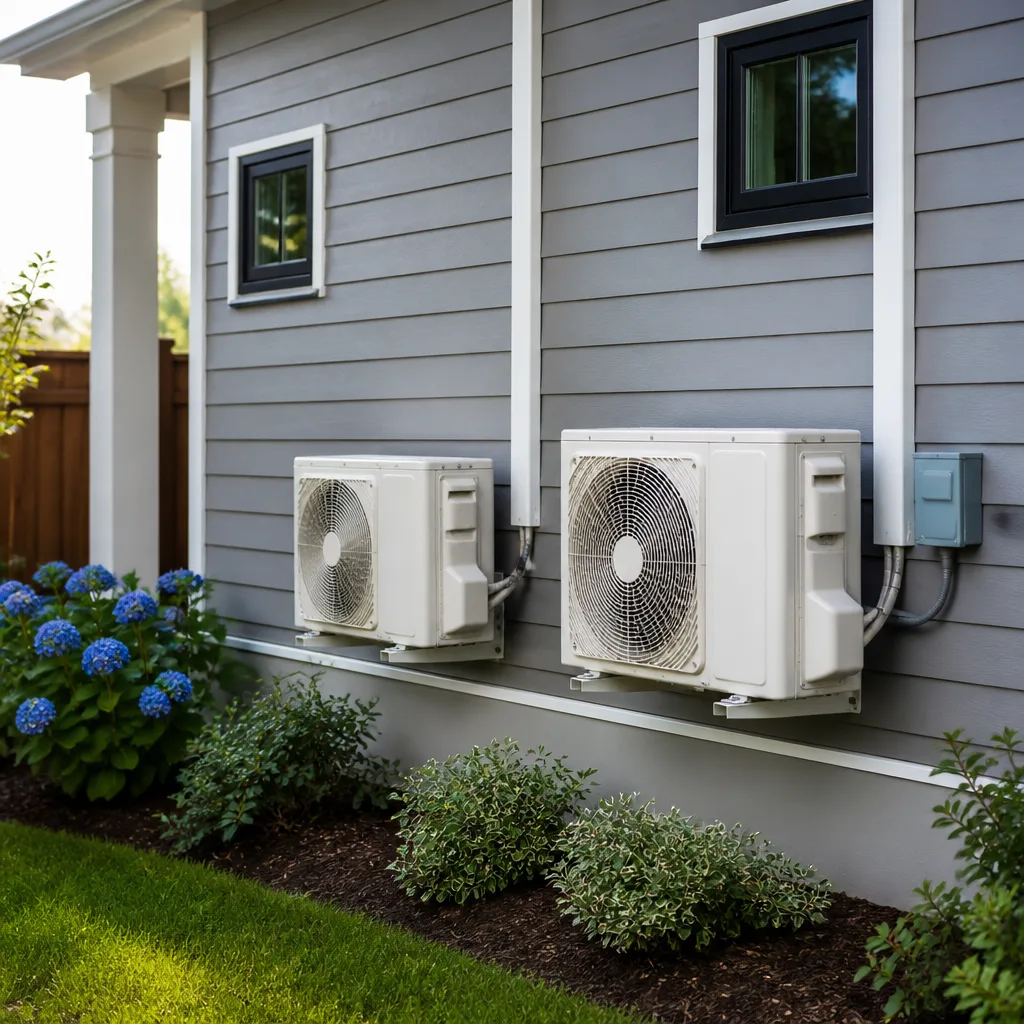 Ductless mini splits
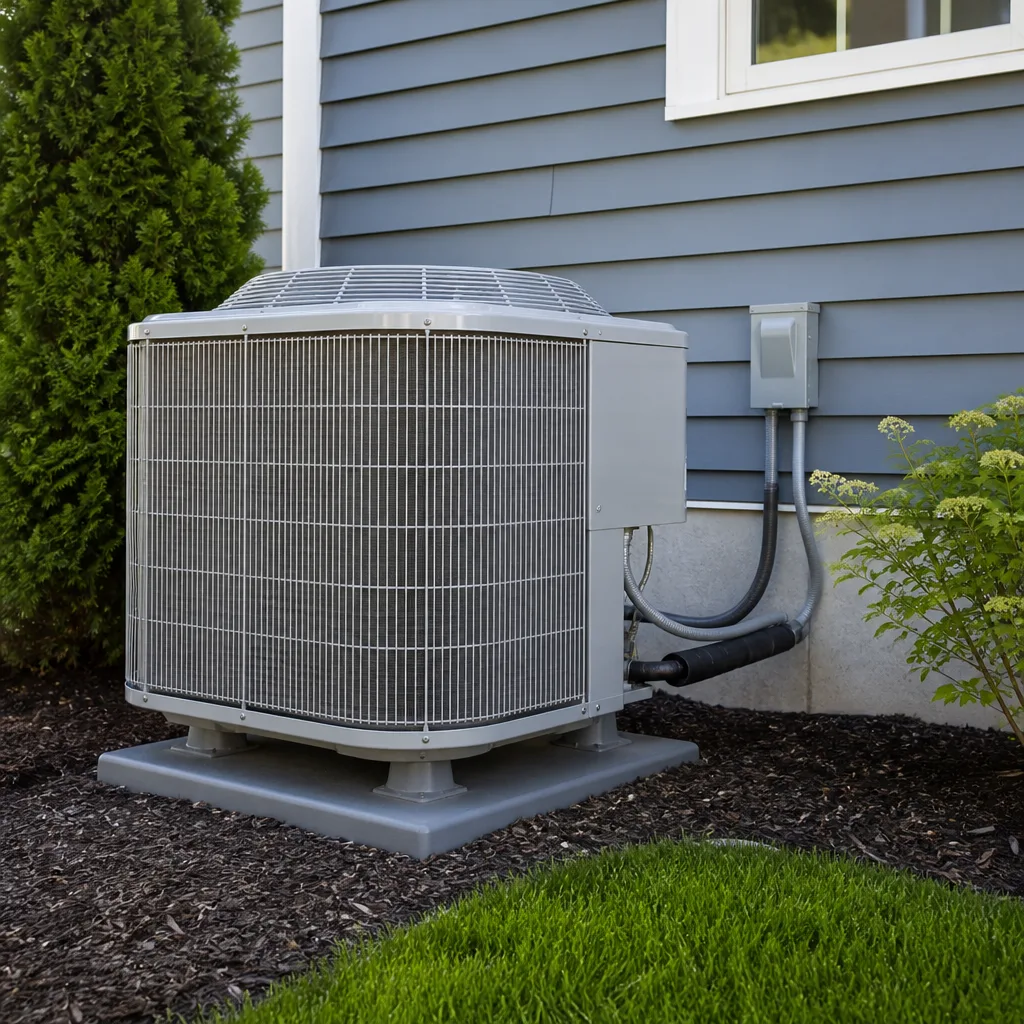 Carrier
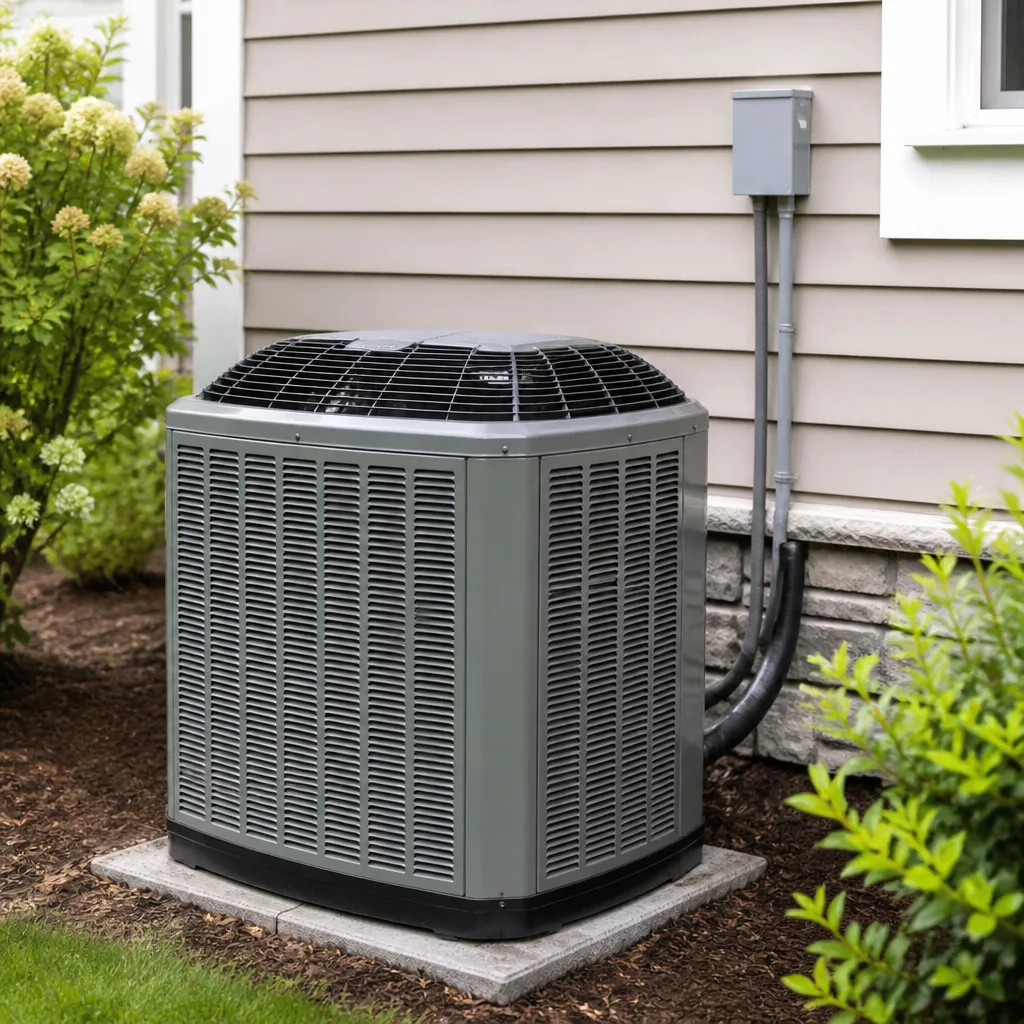 Trane
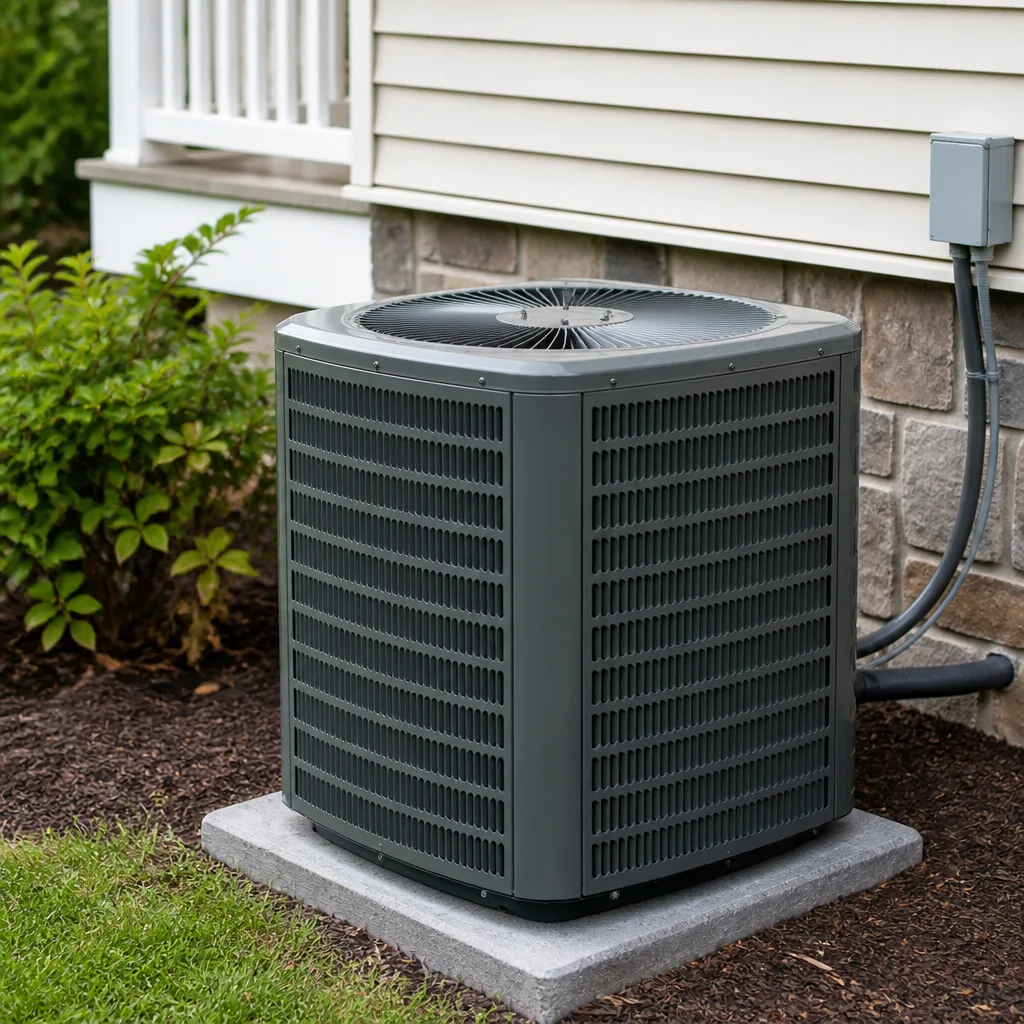 Goodman
Seasonal tune-up and full diagnostic on your Carrier, Trane, or Goodman system - readings shown to you before any repair is proposed
Diagnosis first, numbers second - you approve the repair price before a single part goes in.
Get your free estimateHow to Hire an HVAC Contractor in Inglewood: A Step-by-Step Guide
A contractor can hold a valid CSLB license, carry glowing reviews, and still cost you thousands in equipment you didn’t need. That’s the part most hiring guides skip. Licensing tells you a contractor is legally allowed to do the work. It says nothing about whether they’ll diagnose your system honestly before recommending a replacement. Inglewood homeowners deal with a crowded contractor market, a mix of older housing stock and newer builds, and plenty of operators who quote low and upsell later. This guide walks you through a conversation-based vetting process: what to ask before anyone opens a quote book, how to read a license lookup correctly, what a real written quote contains, and the local red flags worth walking away from.
Quick Answer
To hire an HVAC contractor in Inglewood, verify an active CSLB license with a C-20 classification, ask five diagnostic questions before any quote is discussed, and demand a written quote that includes load calculation documentation, exact model numbers, and warranty transfer terms. A contractor who can’t answer those questions or produce that paperwork isn’t ready to touch your system.
Styles & brands we work with
- AC repair
- Furnace & heating
- Heat pumps
- Ductless mini splits
- Carrier
- Trane
- Goodman
Table of Contents
- The Five Diagnostic Questions to Ask Before Anyone Opens a Quote
- How to Read a CSLB License Lookup Result Correctly
- Red Flags Specific to the L.A. South Bay Contractor Market
- What a Written Quote Must Include Beyond a Price
- Verifying Multi-Brand Certification Claims
- Why Load Calculation Documentation Matters in Inglewood
- Repair or Replace: Questions That Reveal an Honest Contractor
- Common Mistakes to Avoid
The Five Diagnostic Questions to Ask Before Anyone Opens a Quote
The best filter for an HVAC contractor in Inglewood isn’t the quote. It’s the conversation before the quote. A contractor who leads with a price is selling equipment. A contractor who leads with questions is diagnosing a system. Those are two different jobs, and only one of them protects your money.
Before any contractor recommends a single unit, they should be asking you about your home. Here’s what that looks like in practice:
- How old is the system, and what’s the model number? A legitimate technician writes down the model and serial number of your existing equipment before anything else. If they skip this, they don’t know what they’re replacing, and they may not know your brand.
- How many square feet, and what’s the layout? Square footage alone doesn’t size a system. Ceiling height, window count, insulation, and whether you have a second story all factor in. A contractor who sizes by square footage alone is guessing.
- What’s the ductwork situation? Age, material, and whether ducts have been sealed or modified. Bad ducts can make a perfectly good system perform poorly, and no equipment swap fixes that.
- What’s the actual complaint, and when does it happen? A system that fails on the hottest afternoons in Inglewood is a different problem from one that runs constantly but never cools. The symptom matters more than the thermostat reading.
- What’s your budget and timeline? An honest contractor asks this because it changes what they recommend. A Trane or Lennox replacement may be the right call for a homeowner staying put for a decade. A Goodman or Rheem system may be the smarter path for someone selling within a few years. Contractors who skip this question are about to recommend whatever they stock.
If a contractor shows up and immediately starts talking about “special deals” on a specific brand, that’s not a diagnosis. That’s a pitch. We ask these questions on every call, and so should anyone you hire.
How to Read a CSLB License Lookup Result Correctly
The Contractors State License Board lookup is the single most useful tool an Inglewood homeowner has. Most people glance at it, see “Active,” and assume they’re covered. That’s a mistake. The classification field is where the real information lives.
HVAC work in California falls under the C-20 classification (Warm-Air Heating, Ventilating and Air-Conditioning). A C-20 license covers installation, modification, and repair of HVAC systems, including ductwork. Here’s what to check, in order:
- Classification. Confirm the license carries C-20. A general B license can take on a lot of work, but it doesn’t specifically qualify a contractor for full HVAC system installation. A C-36 plumbing license or an A general engineering license does not cover HVAC system installs.
- Status. Active is the minimum. Also check for any expired periods or disciplinary actions, which the lookup lists.
- Bond and workers’ comp. The record shows whether an active bond is on file and whether the contractor carries workers’ compensation insurance. If they don’t, you can be liable if a worker is injured on your property.
- License expiration date. A license that expires in a month is a contract risk. Confirm it’s current and won’t lapse during your job.
Also verify that the name on the license matches the name on the quote and the contract. If the quote comes back under a different entity than the lookup, ask why before you sign anything. In our experience in Inglewood, mismatched names are the number one warning sign people look past because the price looked good.
Red Flags Specific to the L.A. South Bay Contractor Market
Los Angeles has an HVAC market unlike almost anywhere else. The volume is high, the geography is sprawled, and the result is a lot of white-label crews sent out by regional call centers. These aren’t always dishonest, but they carry specific risks you should know about.
Here’s what actually goes wrong in the South Bay market:
- Crews that don’t know your brand. A call center dispatches whoever’s nearest. That technician may have never opened a Lennox or Trane before. A technician who knows the equipment diagnoses faster, finds parts faster, and is less likely to guess at a fix. We service nine major brands specifically because we don’t want to hear “we’ll have to look it up” from our own technicians. That includes Carrier, Trane, Lennox, Goodman, Rheem, York, Daikin, Bryant, and American Standard.
- Quotes that balloon after the system is opened. A low opening quote followed by a mid-job “while we’re in here” conversation is the oldest move in the book. Ask up front what triggers a revised quote and get it in writing.
- No permit pulled. Most HVAC replacements in Inglewood require a permit through the city’s building department. A contractor who suggests skipping the permit is saving themselves paperwork and leaving you with a system that may complicate a future sale.
- Sales-first organizations. If the person at your door has never held a gauge set, they’re a salesperson. Ask to meet the technician who will actually do the work or, at minimum, confirm the installation crew is directly employed or consistently contracted, not just next-up in a rotation.
- Vague equipment references. If the quote says “3-ton system” without a model number, you have no idea what you’re buying. That’s not a technicality, it’s the difference between a value unit and a premium one.
None of these mean the whole market is corrupt. They mean you should ask direct questions and expect direct answers. If a contractor gets annoyed by the questions, that tells you something.
What a Written Quote Must Include Beyond a Price
A quote with one line and a dollar figure is not a quote. It’s a ballpark. A real written quote for HVAC work, especially in Inglewood where housing varies from mid-century homes to newer builds, contains far more than the number at the bottom.
Here’s what to demand, and in what order:
- Load calculation documentation. A Manual J load calculation is the industry-standard sizing method. It accounts for square footage, ceiling height, window area and orientation, insulation values, and occupancy. Any installer who sizes your system without a load calculation is guessing, and a wrong-sized system wastes energy and wears out faster.
- Brand and model numbers. Not just “Trane unit” but the specific model number, including efficiency rating and stage type. You should be able to look up the exact unit before you say yes.
- Scope of work. What’s being removed, what’s being installed, what’s being reused (ductwork, line sets, thermostat). If ductwork is being modified, it should be spelled out.
- Warranty terms. Manufacturer warranty plus labor warranty, and specifically how the manufacturer warranty transfers if you sell the home. Not all warranties transfer cleanly, and buyers and inspectors ask.
- Permit handling. Who pulls it, who pays, who schedules the inspection. Say it in writing.
- Payment schedule. Deposits, progress payments, final payment on completion. Anything demanding full payment up front before equipment delivery is a reason to walk.
If a contractor hesitates to put this in writing, the hesitation is the answer. Take your time and call someone else. We’ve all seen what happens when homeowners don’t.
Verifying Multi-Brand Certification Claims
Plenty of HVAC contractors claim to work on every brand. Fewer can back it up when your equipment is a less-common model. The verification question is straightforward: what specific training does your technician have on the brand currently in my home?
There’s a difference between three levels of capability:
- Familiarity. The technician has worked on the brand before. Reasonable, but not a formal credential.
- Factory authorization. The contractor has been formally designated by the manufacturer to service or install their equipment. This often affects warranty validity if the work is done by a non-authorized contractor.
- Certification. Individual technicians may hold brand-specific or industry-wide certifications (NATE is the most common). Certifications are often listed on company websites and can be verified directly.
Ask for the specific brand coverage in writing. A contractor who says “we work on everything” but can’t tell you if they’ve serviced a Daikin mini-split or a Bryant furnace recently is telling you they’re a generalist. That’s not a problem for basic repairs. It’s a problem when your equipment needs a nuanced diagnosis or a factory-specific part.
We service nine of the most widely installed residential brands, from premium names like Trane and Lennox to value-driven equipment like Goodman. When we can’t confidently handle something, we say so. That’s the standard anyone installing in Inglewood should meet.
Why Load Calculation Documentation Matters in Inglewood
Inglewood sits in a climate zone where cooling loads dominate but heating still matters in winter. Mild winters here mean furnaces run less often, but that doesn’t mean sizing doesn’t count. An undersized AC will run constantly and never keep up. An oversized one will cool fast, then short-cycle, which drives up energy bills and shortens equipment life.
Load calculation documentation is your proof that a contractor did the math. When a contractor hands you a quote without a Manual J, ask for it. If they say something like, “we do this all day, we know what works,” that’s the wrong answer. That answer is precisely why some homes in Inglewood have systems that never quite feel right.
The better contractors we’ve worked alongside include a load calculation summary with the quote. It takes time. It’s the difference between a system that fits your house and one that happens to fit the price sheet.
Repair or Replace: Questions That Reveal an Honest Contractor
The repair-versus-replace call is where the least honest contractors do the most damage. Most homeowners already suspect their system is on its way out. The vetting question is whether a contractor will tell you the truth either way.
Here’s the honest math, in plain terms:
- Repair makes sense when the system is under 10-12 years old, the repair cost is a fraction of a replacement, and there’s no pattern of repeat failures. A single failed capacitor, contactor, or blower motor isn’t a reason to replace an entire system.
- Replacement makes sense when the system is beyond its expected service life, the repair price approaches half the cost of a new system, or repeated failures across two or three seasons point to a compressor or heat exchanger at the end of its life.
Ask any contractor directly: “If this were your house, would you repair or replace?” A good technician answers without hesitation and explains the reasoning. A great technician will tell you that the AC and the furnace are separate decisions. Sometimes the furnace has years left while the AC doesn’t.
We keep furnace repair and furnace replacement as separate, clearly scoped services specifically because the honest answer is often “repair this one.” When a replacement really is the right call, we say so. When it isn’t, we’d rather keep your current system running.
Common Mistakes to Avoid
These are the mistakes we see homeowners in Inglewood make most often, in rough order of how much they cost.
- Accepting a quote with no load calculation. Even if the price is right, an improperly sized system will cost more over its life than the money you saved on the install. Demand the Manual J, or walk away.
- Confusing a B general license with a C-20. A general contractor can legally sub out HVAC work. That’s not the same as being qualified to install your system. Verify the classification, not just the “active” status.
- Hiring on price alone. The lowest quote is often the one that becomes the highest bill once surprise fees, missed permits, or upgraded “you definitely need this” add-ons pile on. Compare scope, not just the bottom line.
- Skipping the permit. Most HVAC replacements in Inglewood require one through the city’s building department. An unpermitted install can complicate a future sale, an insurance claim, or an inspection. Ask who’s pulling it in writing.
- Not checking whether the warranty transfers. Manufacturer warranties often transfer only to the first owner, or they don’t transfer at all. If you plan to sell within a few years, this matters. Ask before the install, not after.
- Failing to verify brand coverage. A contractor who’s never worked on your specific equipment will charge you the same diagnostic fee as one who has. Do the verification first.
- Ignoring the ductwork. A new system attached to failing ductwork will underperform. Any quote that doesn’t address duct condition at all is a quote you should question.
See the difference
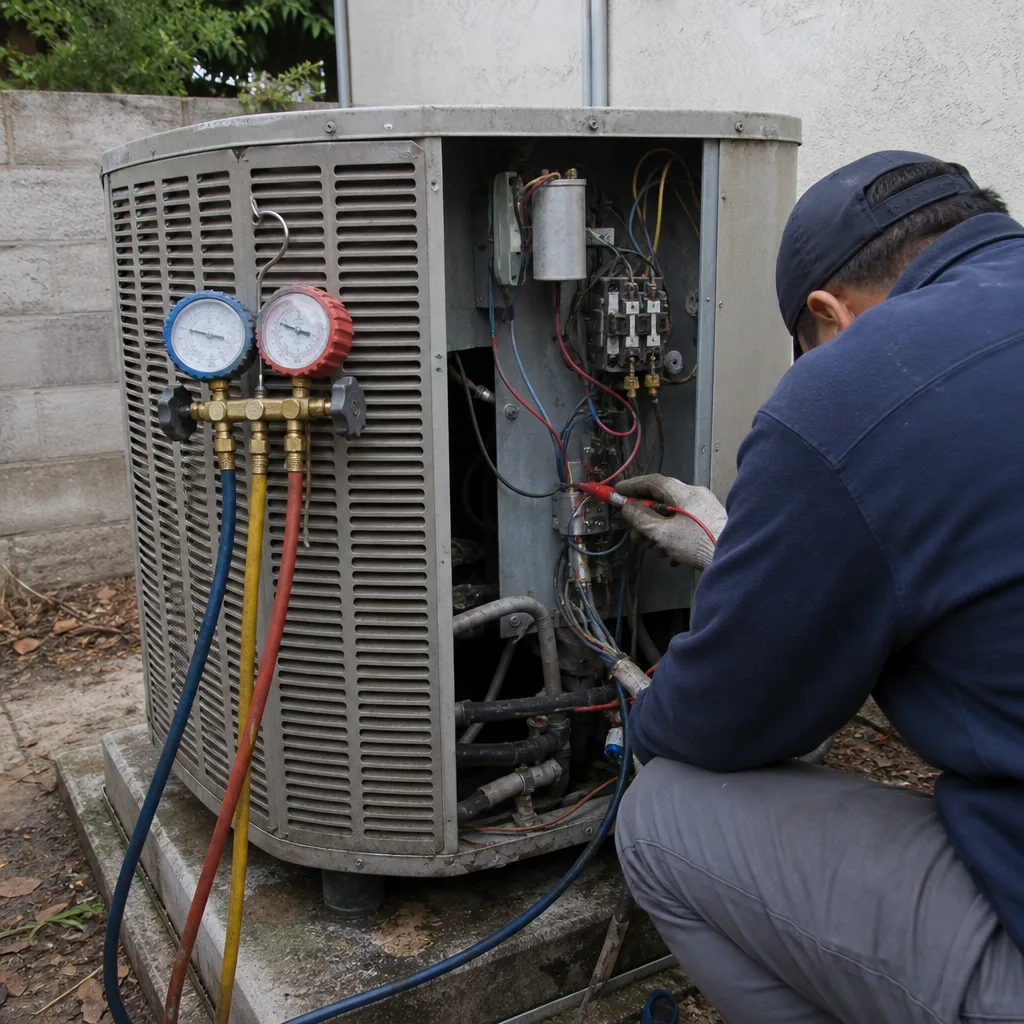 Before
 After
 Before
 After
 Before
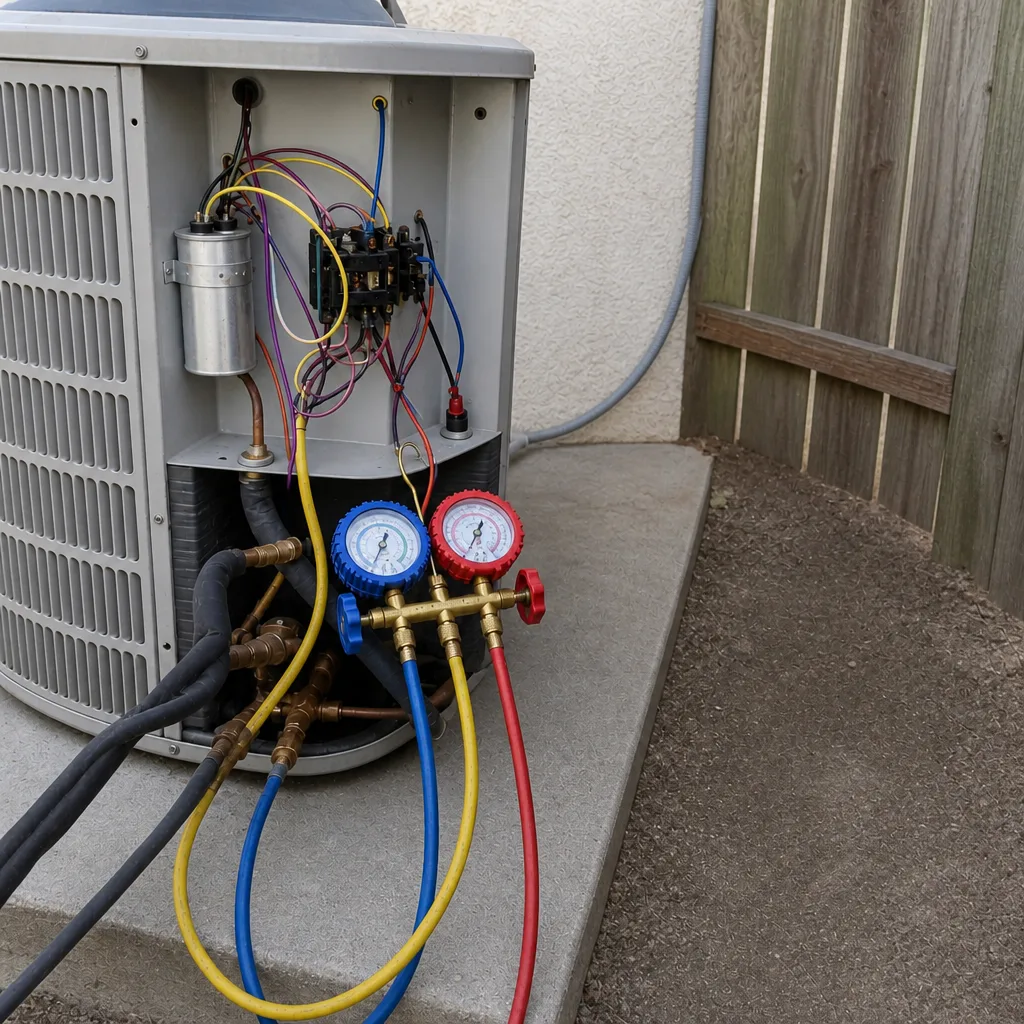 After
When to Call a Professional
Some HVAC problems are genuinely DIY territory. Most aren’t. If your system is blowing warm air, tripping the breaker, making rattling or screeching noises, or showing error codes you don’t recognize, a professional diagnosis is faster and safer than guessing. If your furnace smells like gas, stop and call immediately; gas work is not a homeowner project. If your system is older than 12 years and you’re facing a repair over a few hundred dollars, that’s when the repair-vs-replace question is worth asking a professional in person. And if you’re planning an AC install, sizing and setup should be done by a licensed technician with load calculation documentation, not by a contractor who eyeballs it. When you’re ready to talk to Inglewood specialists who work on the major brands, AC Repair Inglewood offers free estimates in Inglewood. Call (866) 942-9087. We answer 24/7. Fast dispatch from 7am to 7pm, Sunday through Friday.
Frequently Asked Questions
Look up the contractor on the CSLB website and confirm an active C-20 classification, an on-file bond, and workers’ compensation insurance. Match the license name to the name on the quote. If the classifications don’t include C-20, ask specifically who will perform the HVAC work and whether they hold the classification themselves. Call (866) 942-9087 for an exact quote on your project. Estimates are free.
A proper quote includes a Manual J load calculation, exact brand and model numbers, a detailed scope of work, warranty terms including transferability, permit handling, and a payment schedule. Anything less is a ballpark. A price-only quote gives you no way to compare one bid to another. Call (866) 942-9087 for a written estimate on your upgrade or repair.
Ask them directly what specific experience they have with your brand and model number. A serious contractor tells you which brands they service regularly and holds technician certifications where applicable. If your quote is for a replacement, ask which brand they recommend and why, and listen for whether the reasoning fits your budget and home. We service nine major brands, and we’ll tell you plainly if a job is outside our depth.
Repair is usually the right call if the furnace is under 10-12 years old and the failure is a single component. Replacement is usually the right call if the system is beyond that age, the repair approaches half a new system’s cost, or you’ve had repeated failures across seasons. Get an honest written opinion either way, then decide. Call (866) 942-9087 if you’d like an assessment before you commit.
Most HVAC installations in Inglewood require a permit from the city’s building department. Ask the contractor in writing who’s pulling it, who’s paying for it, and who’s scheduling the inspection. A contractor who suggests skipping the permit is saving themselves work rather than saving you money. Any quote worth signing handles this in writing.
You can, but ask what you’re getting. White-label crews sent by a regional call center often know less about your specific equipment, and you lose continuity if something goes wrong after the install. Ask each contractor whether the technician who diagnoses the system is the one who installs your equipment or the one who provides warranty service. Call (866) 942-9087 if you want to talk through a specific system before hiring.
The Bottom Line
Hiring an HVAC contractor in Inglewood comes down to five moves: verify the C-20 license, ask the five diagnostic questions, demand a real written quote with load calculations and model numbers, verify brand experience, and be honest with yourself about repair versus replacement. Skip any of those and you’re relying on the contractor’s good intentions rather than their competence. The contractors who answer all five without hesitation are the ones worth hiring. The ones who don’t should not touch your system.
Ready to move from researching to getting an actual assessment? AC Repair Inglewood offers free estimates across Inglewood for AC installation, furnace repair, and furnace replacement. We work on Carrier, Trane, Lennox, Goodman, Rheem, York, Daikin, Bryant, and American Standard equipment. Our technicians have up to 10 years of experience. Call (866) 942-9087. We answer 24/7. Fast dispatch from 7am to 7pm, Sunday through Friday.
For a closer look at the wider HVAC services we cover in Inglewood, including AC repair Inglewood and full AC installation, we’re set up to be a resource either way.
Written by the team at AC Repair Inglewood.