
Last updated November 16, 2026
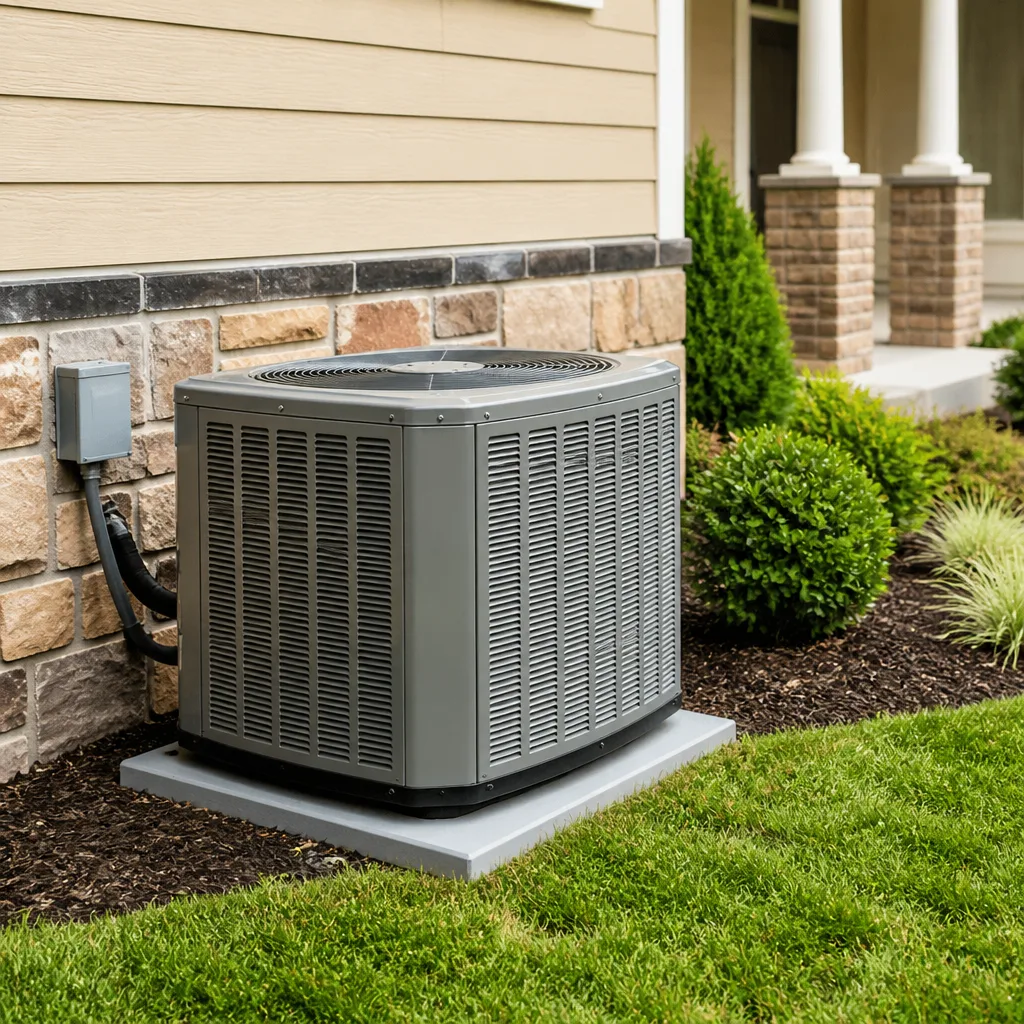 AC repair
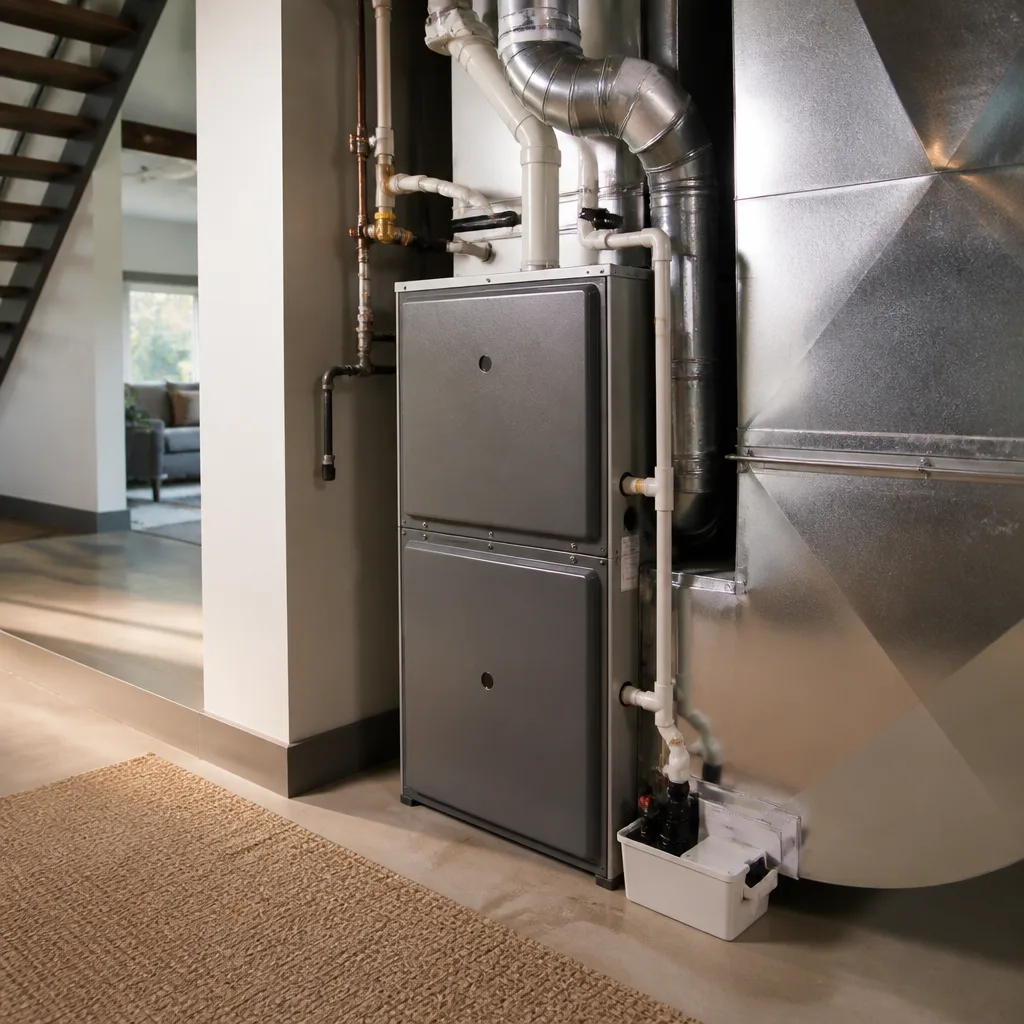 Furnace & heating
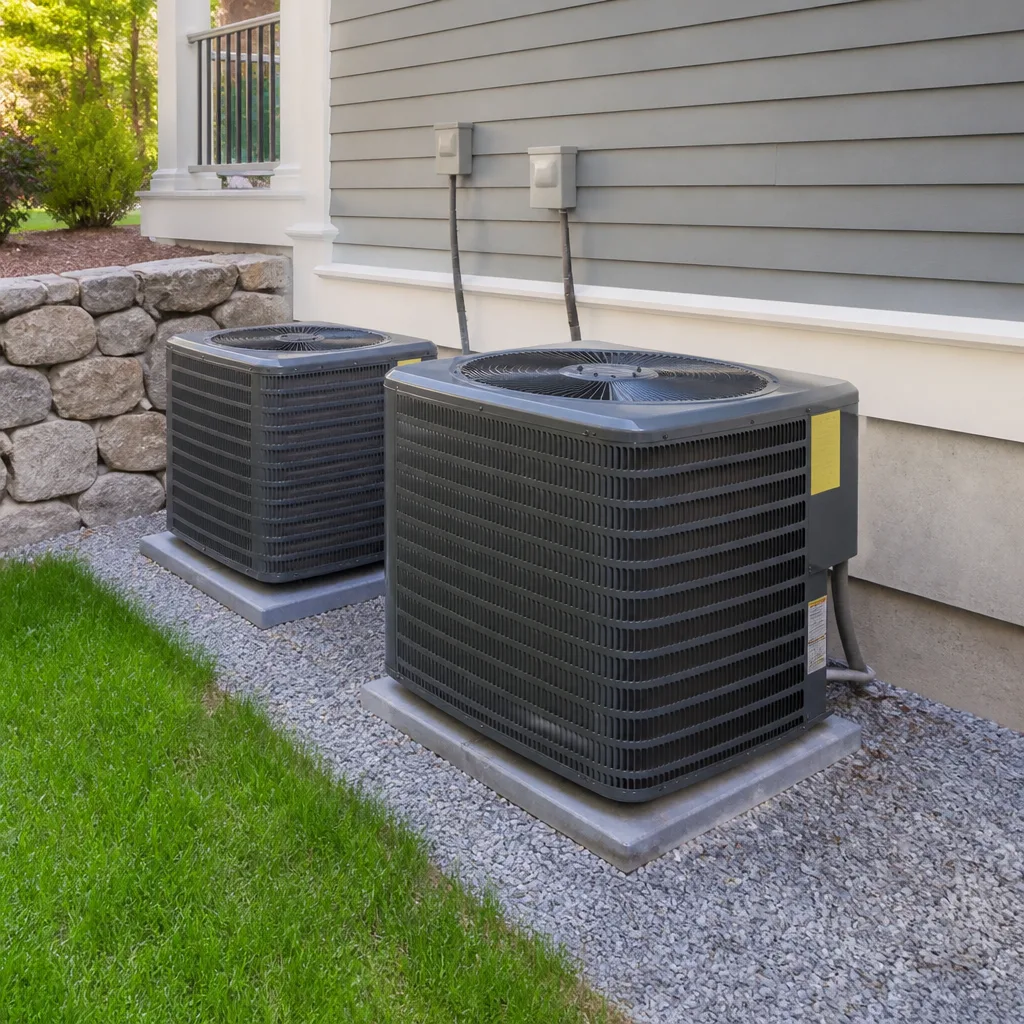 Heat pumps
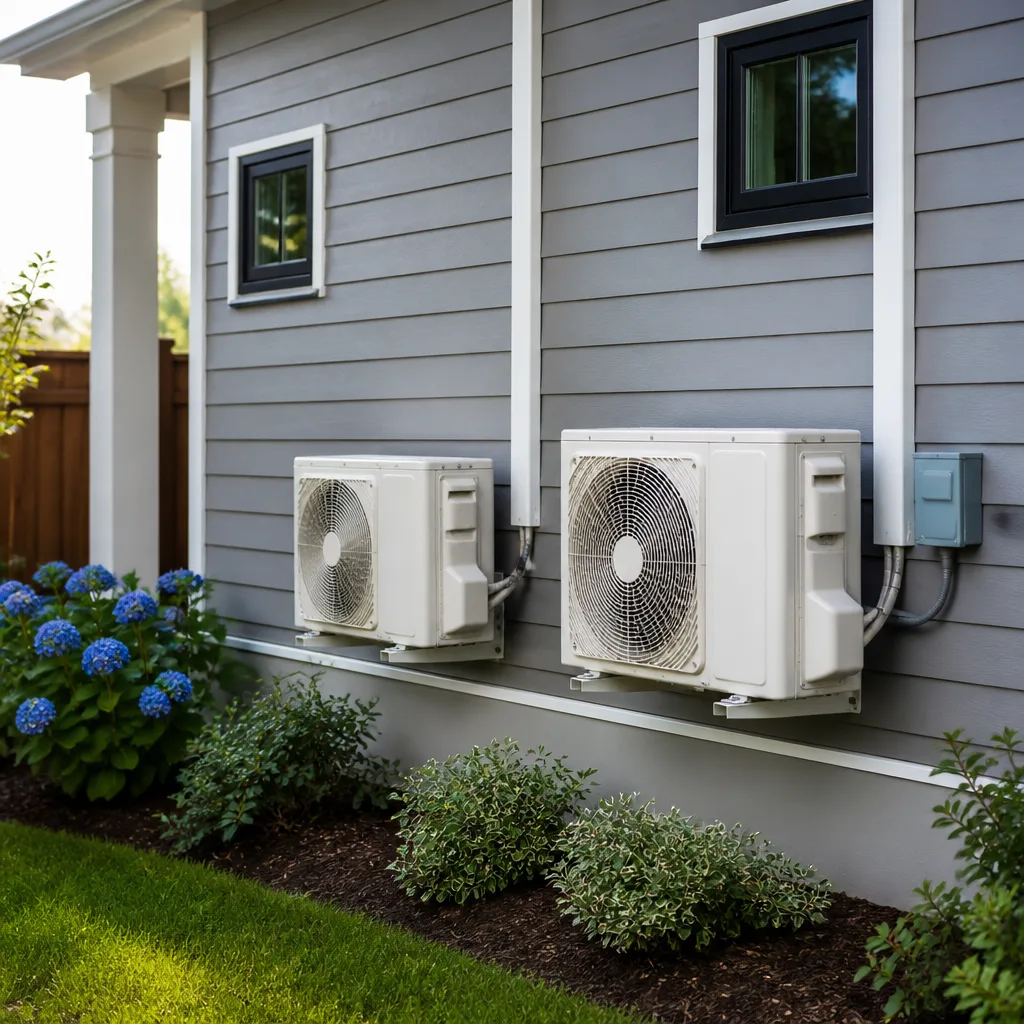 Ductless mini splits
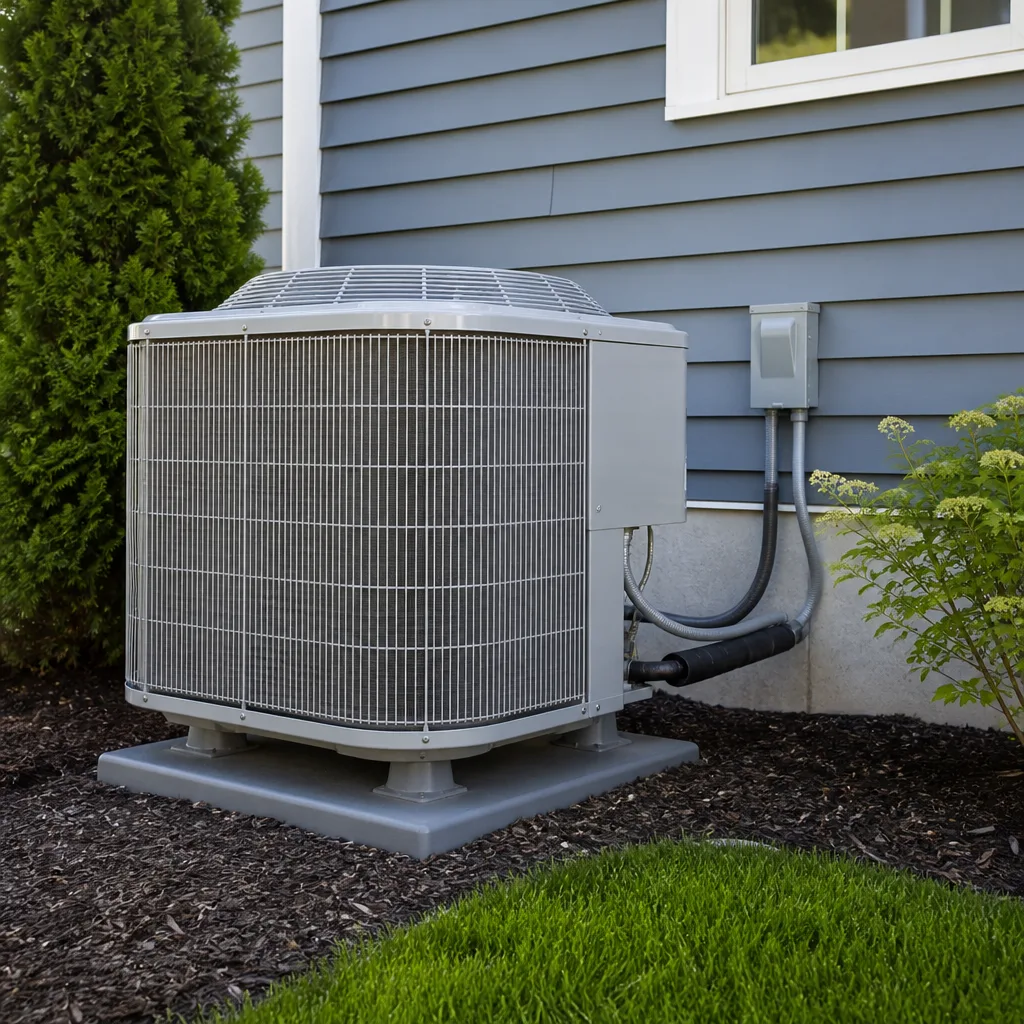 Carrier
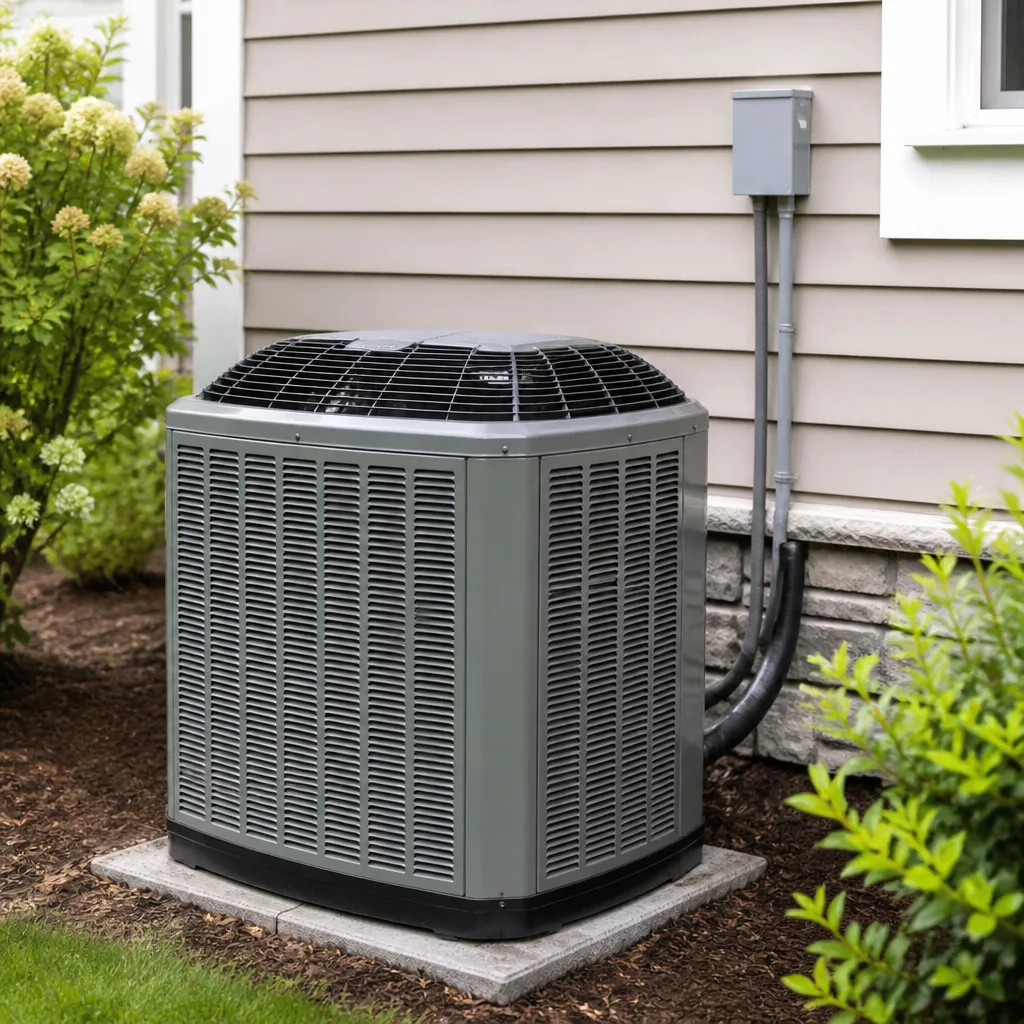 Trane
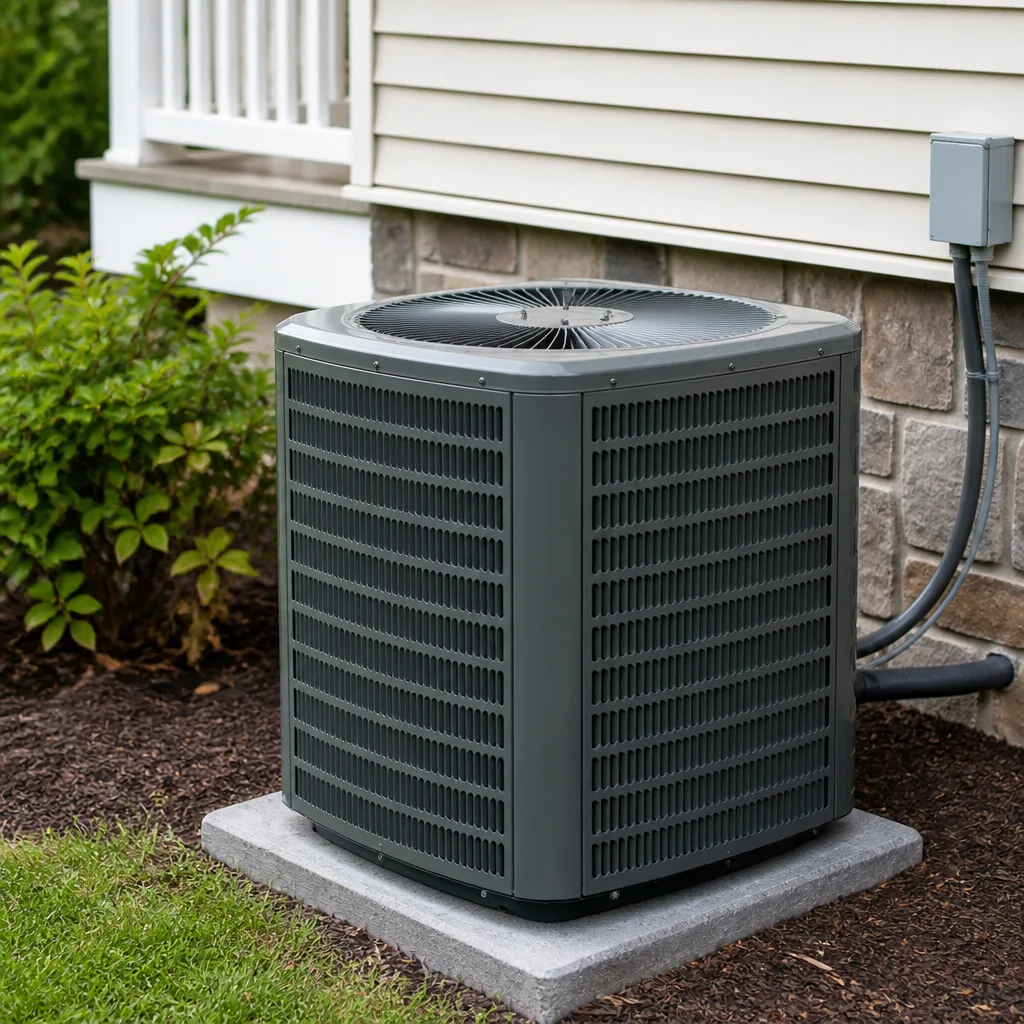 Goodman
Seasonal tune-up and full diagnostic on your Carrier, Trane, or Goodman system - readings shown to you before any repair is proposed
Diagnosis first, numbers second - you approve the repair price before a single part goes in.
Get your free estimateHVAC Cost Breakdown: The Inglewood Homeowner’s Reference for 2026
Two Inglewood homeowners can get quotes $3,000 apart for what looks like the same AC installation. Both quotes can be legitimate. The difference is buried in refrigerant type, SEER2 rating, electrical panel work, and permit fees that one contractor itemized and the other quietly left out. That gap is where most people lose money, because the number on the bottom of the page tells you nothing about what’s inside it. This guide breaks down every line item in a 2026 Inglewood HVAC quote – equipment, labor, refrigerant, electrical, permits, disposal – plus the California rules pushing prices up right now, so you can read a quote the way a technician does.
Quick Answer
A full central AC installation in Inglewood typically runs $6,500 to $13,500 in 2026 depending on system size, SEER2 rating, and whether your electrical panel needs work. A furnace replacement usually lands between $3,800 and $8,200. Furnace repair for a single failed part is commonly $220 to $650. California’s Title 24 efficiency rules and the R-410A refrigerant transition are both pushing equipment prices up this year, and LADWP and SoCalGas rebates can trim the net cost on qualifying systems. The written estimate always sets the final price.
Styles & brands we work with
- AC repair
- Furnace & heating
- Heat pumps
- Ductless mini splits
- Carrier
- Trane
- Goodman
Table of Contents
- What’s actually inside an Inglewood HVAC quote?
- Central AC installation cost breakdown for 2026
- How Title 24 and the refrigerant transition are moving prices
- Furnace replacement vs. repair: the real math
- Which line items are negotiable and which aren’t
- LADWP and SoCalGas rebates for Inglewood addresses
- The questions that expose a low quote
- Common mistakes to avoid
What’s actually inside an Inglewood HVAC quote?
Every HVAC quote in Inglewood is built from six cost buckets. Most homeowners only see two of them. Here’s the full set:
- Equipment – the condenser, air handler or coil, and line set. This is the biggest bucket and the one that varies most by brand tier.
- Labor – removal of the old system, installation, brazing, vacuum and commissioning. L.A. County labor rates drive this higher than most of the country.
- Refrigerant charge – a system that ships pre-charged still needs a top-off to match your line set length. Some quotes fold this in; some don’t mention it.
- Electrical – disconnect, whip, and any panel or breaker upgrades the new equipment requires.
- Permits – Inglewood requires permits for HVAC changeouts. The fee is set by the city and lands in the low hundreds as a rough range, but check with the Inglewood building department for the current schedule.
- Disposal – hauling off the old condenser, coil, and any refrigerant recovery. Legally required, easy to quietly leave out of a cheap quote.
When someone hands you a single number with no breakdown, ask for these six lines itemized. A contractor who knows their numbers can produce them in five minutes. One who can’t is either guessing or hiding something.
Why the same job can quote $3,000 apart
Three things account for most of the gap. First, SEER2 tier – a 14.3 SEER2 baseline system and a 17+ SEER2 unit are thousands apart on equipment alone. Second, brand tier – Goodman value systems, Rheem and Bryant mid-range, and Trane or Lennox premium models sit at three different price points for what is functionally a similar job. Third, whether electrical and permit work is included or “extra.” A quote that leaves both out isn’t wrong, it just isn’t finished. Read it as a down payment, not a total.
We service all three tiers and we don’t push one over another. The right system depends on your home’s square footage, duct layout, insulation, and how much you plan to run the unit. Anyone recommending a specific model before checking those four things is selling, not sizing.
Central AC installation cost breakdown for 2026
Here’s the line-item view of a typical central AC installation in Inglewood this year. These are estimated ranges for a standard single-story home with existing ductwork in usable condition. Duct replacement, multi-zone systems, and second-story retrofits all shift the numbers.
| Line item | Estimated range |
|---|---|
| Equipment (condenser + coil, 2-3 ton, 14.3-16 SEER2) | $2,800 – $5,800 |
| Equipment (condenser + coil, 17+ SEER2 premium tier) | $4,500 – $8,200 |
| Labor (removal, install, brazing, vacuum, commissioning) | $1,600 – $2,800 |
| Refrigerant charge and line set | $250 – $700 |
| Electrical (disconnect, whip, breaker if needed) | $300 – $1,400 |
| Permit (Inglewood building department) | Low hundreds – confirm current fee |
| Disposal and refrigerant recovery | $150 – $350 |
| Typical total installed | $6,500 – $13,500 |
The electrical line is the one that surprises people most. Older Inglewood homes often run on panels that were sized for a smaller, less efficient unit than what’s going in now. A modern high-efficiency condenser pulls different amperage, and the panel or breaker may need work. That’s not a contractor inventing an upsell – it’s a code requirement. But it’s the first thing to check when you compare quotes.
If your existing system is more than about 12 years old and has failed a major component, replacement is usually the better call. If it’s newer or the failure is a single part, AC repair in Inglewood is worth pursuing first. We’ll tell you what it needs, not what costs more.
How Title 24 and the refrigerant transition are moving prices
Two California-specific forces are pushing equipment prices up in 2025-2026, and both show up on your quote whether the contractor explains them or not.
Title 24 efficiency requirements
California’s Title 24 energy code sets minimum efficiency standards for HVAC equipment sold and installed in the state. In practice, it means you can’t legally install a low-efficiency unit here even if you wanted to save money on equipment. Every system on the market now meets a higher SEER2 floor than what was installed in a home 10 years ago. That’s good for your electricity bill, but it raises the entry price on any new system. If a contractor offers you a “budget” unit that sounds unusually cheap, ask what SEER2 rating it carries and whether it’s Title 24 compliant for a residential changeout. The answer should be immediate.
The R-410A phase-out
R-410A, the refrigerant that has been standard in residential AC for years, is being phased out in favor of newer refrigerants with lower global warming potential. What this means for Inglewood homeowners right now:
- R-410A systems still exist in inventory and remain serviceable, but prices on remaining stock are rising as supply shrinks.
- New equipment using replacement refrigerants generally carries a higher equipment cost, and the refrigerants themselves are more expensive.
- If your existing system runs R-22 (the older refrigerant already phased out), any repair requiring a charge is a strong signal toward replacement – R-22 is scarce and costly.
- Ask which refrigerant the quoted system uses. Any technician who can’t answer that isn’t current on the transition.
We work on Carrier, Trane, Lennox, Goodman, Rheem, York, Daikin, Bryant, and American Standard systems, so we see how each manufacturer is handling the refrigerant change. Some have moved faster than others. The right system for your home may depend more on which refrigerant platform is stable in the brand you already trust than on raw price.
Furnace replacement vs. repair: the real math
The “50% rule” gets quoted constantly: if a repair costs more than 50% of a new furnace, replace it. That’s a decent starting point, but most versions of the rule ignore local labor rates, which means it’s off for Inglewood. Here’s how to run the math honestly for 2026.
The adjusted 50% rule for Inglewood
- Get the repair estimate. A failed igniter, blower motor, control board, or draft inducer typically runs $220 to $650 depending on the part and labor.
- Age the furnace. If it’s under 12 years old and the repair is a single component, repair usually wins. Past 15 years, replacement deserves serious consideration – not because the furnace is dangerous, but because the next failure is likely not far off.
- Apply the L.A. County adjustment. Because installation labor is higher here than in most of the country, a furnace replacement carries a bigger labor line than the generic 50% rule assumes. That pushes the threshold: in Inglewood, a repair around 40-45% of a new furnace’s installed cost is often still the better financial choice, because the alternative includes labor at local rates.
- Add up consecutive failures. One repair in five years is normal. Two major repairs in 18 months means you’re on the downhill side of the equipment’s life.
- Check efficiency gains. A furnace that’s 20 years old is running well below current efficiency minimums. The energy savings from replacement are real, but they’re spread over years – they don’t justify replacement on their own if the unit is otherwise holding up.
Typical furnace replacement cost in Inglewood
| Line item | Estimated range |
|---|---|
| Equipment (80% AFUE single-stage) | $1,900 – $3,200 |
| Equipment (higher-efficiency condenser or modulating) | $3,000 – $5,500 |
| Labor (removal, install, venting check, commissioning) | $1,400 – $2,300 |
| Permit | Low hundreds – confirm current fee |
| Disposal | $100 – $250 |
| Typical total installed | $3,800 – $8,200 |
Repair and replacement are separate services for a reason. When a repair will honestly get you several more years, that’s the path we recommend. When it won’t, we say so. If you’re staring at a furnace that isn’t working and you’re not sure which side of the line it falls on, furnace repair is where the conversation starts. The estimate is free, and it will tell you what the machine actually needs.
Gas furnaces involve a combustion system, and a poorly maintained one can produce carbon monoxide. If you smell gas, hear abnormal banging or booming, or see soot around the burner area, that’s a call-a-professional situation, not a DIY one. Do not attempt to service the gas valve, heat exchanger, or venting yourself. Our technicians have up to 10 years of experience with combustion systems and carry the tools to test for leaks and venting problems safely.
Which line items are negotiable and which aren’t
Some parts of an HVAC quote have room to move. Others are fixed by physics and law. Knowing the difference protects you from both overpaying and from hiring someone who cut a corner they shouldn’t have.
Negotiable
- Brand tier. Moving from a premium Trane or Lennox unit to a mid-tier Rheem or Bryant, at similar efficiency, can save a meaningful chunk on equipment with only modest differences in performance. Don’t let anyone convince you the premium tier is required.
- Efficiency level. Going from a 17+ SEER2 system to a 15 SEER2 system reduces equipment cost. Run the math on how much you actually save per year – sometimes the higher tier pays back, sometimes it doesn’t.
- Labor scheduling flexibility. Not a discount, but a scheduling conversation. If your job isn’t urgent, a flexible install date can matter to a contractor’s planning.
- Scope polish. New pad for the condenser, new thermostat, upgraded filter box – these are often margin items and worth a conversation, especially when the main scope is already set.
Not negotiable
- Permits. A permitted install means the work is inspected. Skipping a permit to save a couple hundred dollars creates a real problem if you ever sell the home.
- Refrigerant charge and vacuum. A system that isn’t properly evacuated and charged will fail early. There’s no shortcut that doesn’t cost more later.
- Electrical work required by code. If the panel needs to be brought up to current standards, that’s a safety issue, not a markup.
- Labeled refrigerant recovery. Federal law requires refrigerant to be recovered, not vented. Anyone offering to “just let it out” to save money is breaking the rules and putting their own license at risk.
If a quote looks too low, ask what’s missing before you ask for a discount. A price that beats everyone else by 30% is usually missing a permit, an electrical allowance, a refrigerant line, or all three.
LADWP and SoCalGas rebates for Inglewood addresses
Inglewood sits inside LADWP’s service territory for electricity and SoCalGas’s territory for natural gas, which means qualifying high-efficiency equipment can often draw a rebate from one or both. Rebate amounts change, so we always confirm current program terms before you sign anything, but the categories are stable:
- High-efficiency AC or heat pump systems – LADWP typically offers incentives on qualifying SEER2 ratings for residential central systems.
- High-efficiency furnace upgrades – SoCalGas has historically offered rebates on qualifying furnaces, and the categories shift with each program cycle.
- Heat pump conversions – higher-incentive programs exist to move homes from gas heating to heat pumps, and Inglewood addresses qualify.
How rebates affect your net cost
Rebates rarely cover more than a portion of the install, but they can shift the equation on a repair-vs-replace decision. A $1,200 furnace replacement at 40% of new install cost looks like a worse deal if a rebate brings the replacement down by several hundred dollars. Here’s the process we use:
- Get the equipment quoted and confirm the SEER2 or AFUE rating on the model sheet.
- Check the current LADWP and SoCalGas rebate schedule for that exact rating tier.
- Confirm whether the rebate is point-of-sale (deducted from your invoice) or post-install (you apply and get paid later).
- Ask whether the contractor will handle the paperwork. We do, and the paperwork is part of the estimate.
- Compare the net cost, not the sticker price, before deciding.
Rebate programs change frequently. Ask for the current numbers in writing. Anyone quoting an exact rebate dollar amount that’s not backed by a program sheet is guessing.
The questions that expose a low quote
A low quote can be efficient or incomplete – and the difference is entirely in what the contractor can answer. When you’re comparing bids for HVAC work in Inglewood, these are the questions that separate the two. Any honest contractor will field all of them without hesitation.
- “Is the permit included, and who pulls it?” A permit that isn’t in the quote almost never gets pulled. That’s a real, non-recoverable cost.
- “What’s the SEER2 rating on the equipment? Is it Title 24 compliant?” An exact model number and rating, not a range.
- “Is the refrigerant charge and line set included?” A quote that pushes this to “we’ll see” is hiding a line item.
- “Is the electrical disconnect and whip included? What about a panel inspection?” Small allowance, big surprise if it’s missing.
- “Who takes the old equipment, and is refrigerant recovery included?” Legally required, easy to omit.
- “What’s the labor warranty, and who honors it?” Ask for the manufacturer warranty separately – the two typically don’t match.
- “If the unit fails in year two and I call you, are you available?” If the office can’t answer that plainly, the quote isn’t the real problem.
- “Is a manual-J load calculation included?” Proper sizing starts here. Skipping it is one of the reasons a system underperforms.
An “efficient” quote answers every one of these in writing and leaves it in your hands. An “incomplete” quote tells you most of these are add-ons to be sorted out later, which never goes well.
For the initial installation work specifically, AC installation is where the whole equation lands – spec, sizing, and setup under one job. Getting it right the first time saves more than any line-item negotiation.
Common Mistakes to Avoid
- Comparing quotes on total price alone. A $5,800 quote and a $9,200 quote for the “same install” usually aren’t the same scope. Line-item comparisons catch this in minutes. Total-price comparisons hide it for years.
- Assuming “bigger is better” on tonnage. Oversized systems short-cycle, cool unevenly, and pull more humidity out of one room than another. Sizing comes from a load calculation, not the square footage of the old unit.
- Skipping the permit to save a few hundred dollars. Inglewood code requires it, and unpermitted HVAC work can slow a future home sale. Not worth the trade.
- Choosing equipment by brand alone. Every major brand has good and not-so-good tiers. The design, sizing, and install quality determine performance more than the logo on the cabinet.
- Ignoring the electrical panel until it becomes “extra.” Older Inglewood homes frequently need some electrical work to support a modern condenser. Ask upfront what the panel situation is so it’s in the first quote, not the final invoice.
- Treating the refrigerant transition as someone else’s problem. If the contractor can’t tell you which refrigerant the new system uses, they’re not following the market and won’t be able to service it well later.
- Making an expensive decision off one quote. Two or three itemized bids for the same scope give you real information. One bid tells you what one contractor charges.
See the difference
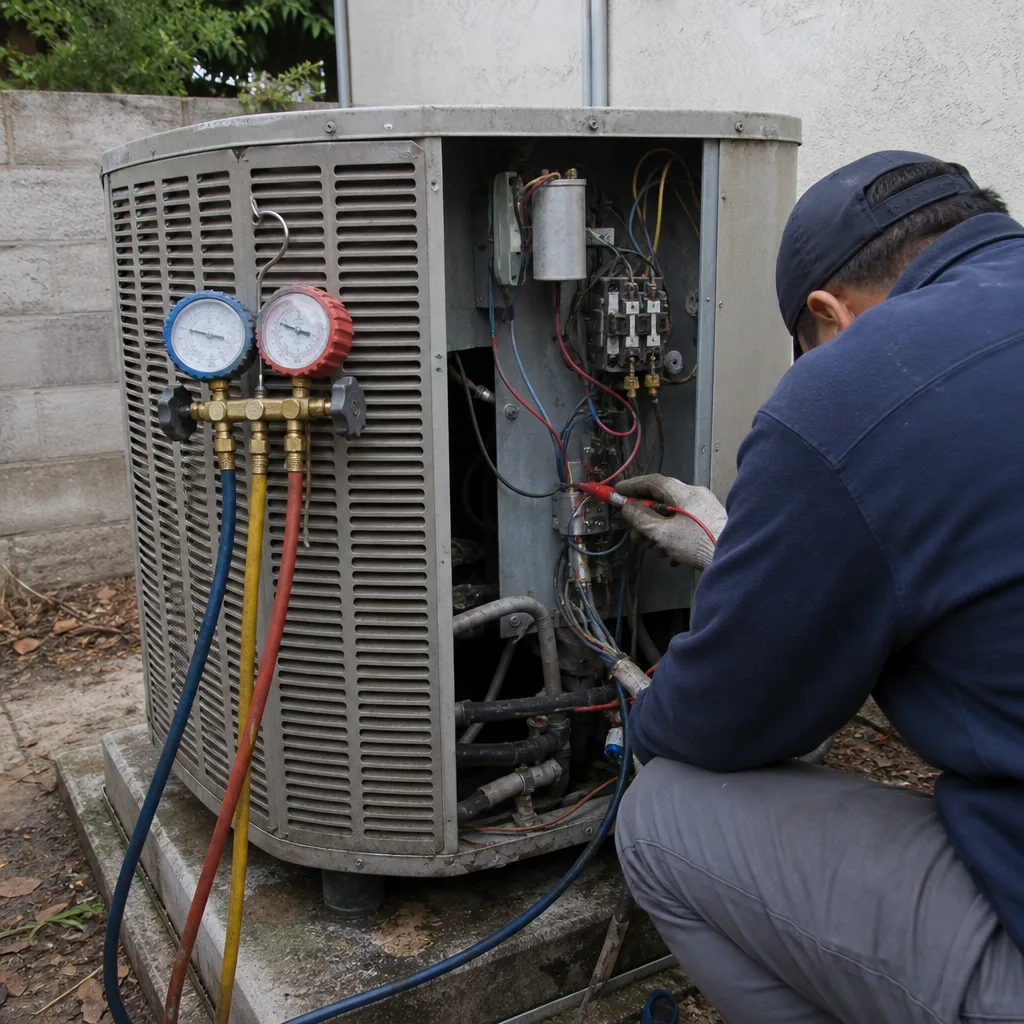 Before
 After
 Before
 After
 Before
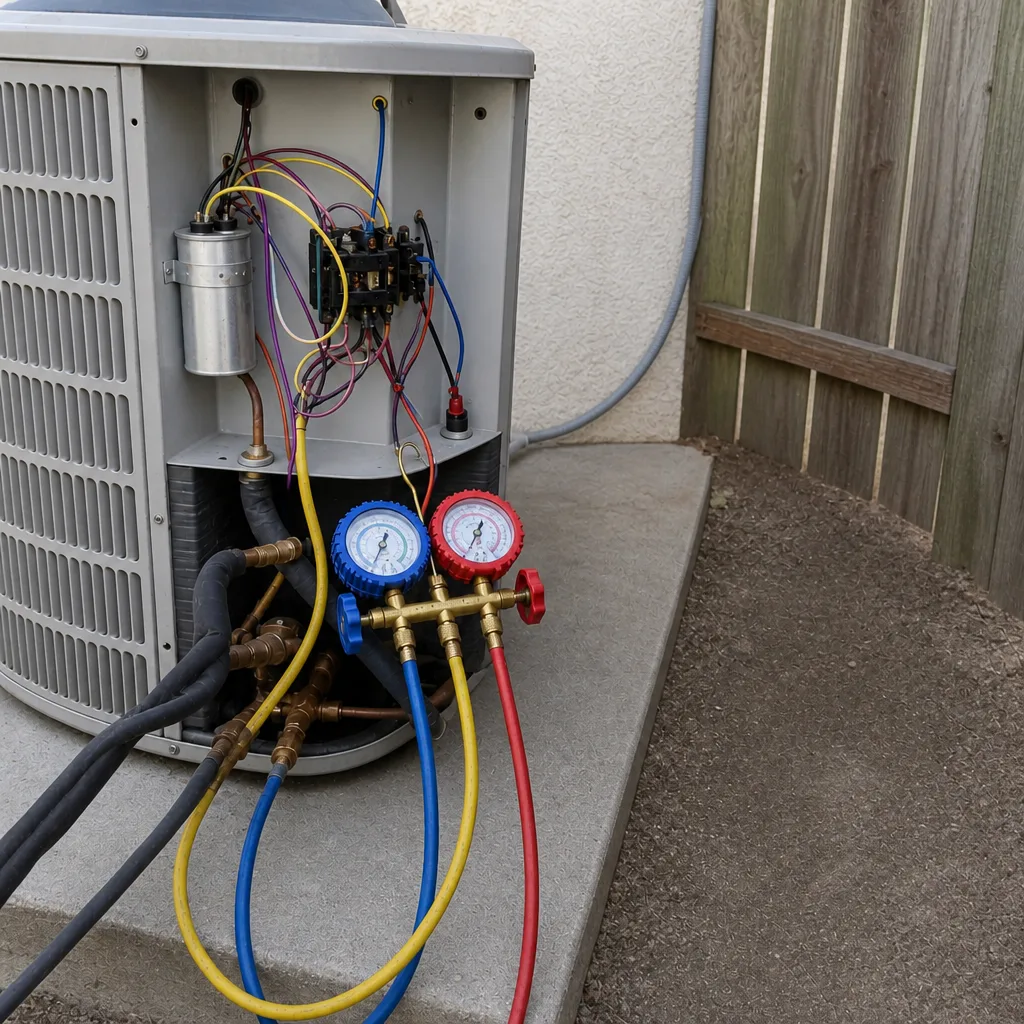 After
When to Call a Professional
Some HVAC issues are exactly the kind of thing to hand off. If your system has stopped cooling during a summer heat wave, if the furnace won’t ignite, if the blower runs but the rooms don’t heat or cool, or if you hear a rhythmic banging or booming when the furnace starts, that’s a call. If you smell gas anywhere near the furnace or water heater, leave the area and call – that’s not a diagnostic situation. If a quote you’ve received doesn’t add up and you want a second opinion on the scope before signing, that’s also a call. AC Repair Inglewood offers free estimates in Inglewood – call (866) 942-9087. We answer 24/7. Fast dispatch from 7am to 7pm, Sunday through Friday. Our technicians have up to 10 years of experience, and we service Carrier, Trane, Lennox, Goodman, Rheem, York, Daikin, Bryant, and American Standard systems so you’re not stuck explaining your equipment to someone unfamiliar with it.
We also work across the greater Inglewood area when you need a hand beyond the city limits – you can see where in Inglewood and the surrounding neighborhoods.
Frequently Asked Questions
A full central AC installation in Inglewood typically costs $6,500 to $13,500 installed in 2026, depending on system size, SEER2 rating, brand tier, and whether electrical or permit work is needed. Equipment alone runs $2,800 to $8,200, with labor in the $1,600 to $2,800 range at L.A. County rates. Call (866) 942-9087 for an exact quote – estimates are free.
Usually replacement, but not automatically. Past 15 years, the next failure is likely close, and a major repair often costs 40% or more of a new unit – which is close to the threshold where replacement wins. Single small repairs under $400 are still often worth doing if the furnace is otherwise sound. Get an itemized estimate and the honest math before deciding. Call (866) 942-9087 for that estimate.
Yes, residential HVAC changeouts in Inglewood require a permit from the city’s building department, and it should be included in any legitimate quote. A contractor offering to skip the permit to save money is creating a problem for you later. Confirm the current permit fee with the Inglewood building department before comparing quotes.
The 50% rule says to replace rather than repair when a repair costs more than 50% of a new system’s installed price. In Inglewood, local labor rates make that threshold worth adjusting slightly downward, because the “new system” side of the equation is more expensive here. In practice, a repair around 40-45% of replacement cost is often still the better financial call.
Yes, LADWP and SoCalGas both offer rebate programs on qualifying high-efficiency equipment, including furnaces, central AC systems, and heat pump conversions. The amounts shift by program cycle, so confirm the current numbers before you buy. The paperwork can be handled as part of the install. Call (866) 942-9087 to discuss rebate-eligible equipment.
Often, yes. We run same-day service for cooling failures during heat events, with fast dispatch from 7am to 7pm, Sunday through Friday, and no overtime charge. We answer 24/7, and a call outside dispatch hours is booked into the next opening. Call (866) 942-9087 for the soonest free estimate.
Almost certainly. We service Carrier, Trane, Lennox, Goodman, Rheem, York, Daikin, Bryant, and American Standard equipment – nine of the most widely installed residential brands. That covers the vast majority of Inglewood homes. Call (866) 942-9087 and we’ll confirm the specific model.
The Bottom Line
A 2026 HVAC quote in Inglewood is a stack of line items, and the total is only meaningful if you can see inside it. Equipment, labor, refrigerant, electrical, permits, and disposal are all in there somewhere – and the quotes that surprise people on install day are always the ones missing two or three. California’s Title 24 rules and the R-410A phase-out are both pushing equipment prices up this year, so the cheapest-looking bid is often just the least complete one. Get the itemized breakdown, run the repair-vs-replace math with local labor in mind, and check LADWP and SoCalGas rebates before you sign. The written estimate sets the final price, and the free estimate is the fastest way to see what your system actually needs.
Call (866) 942-9087 for a free estimate. We answer 24/7. Fast dispatch from 7am to 7pm, Sunday through Friday.
Written by the team at AC Repair Inglewood.