
Last updated November 16, 2026
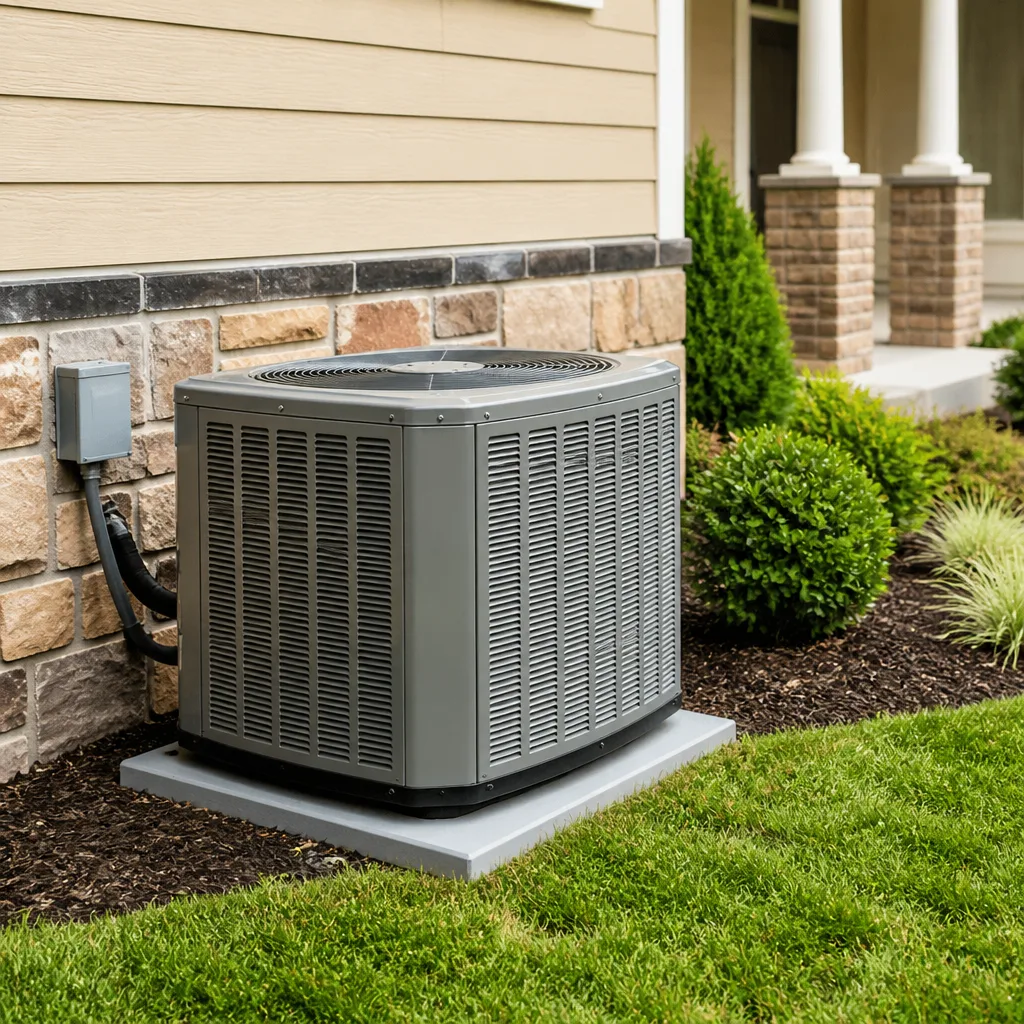 AC repair
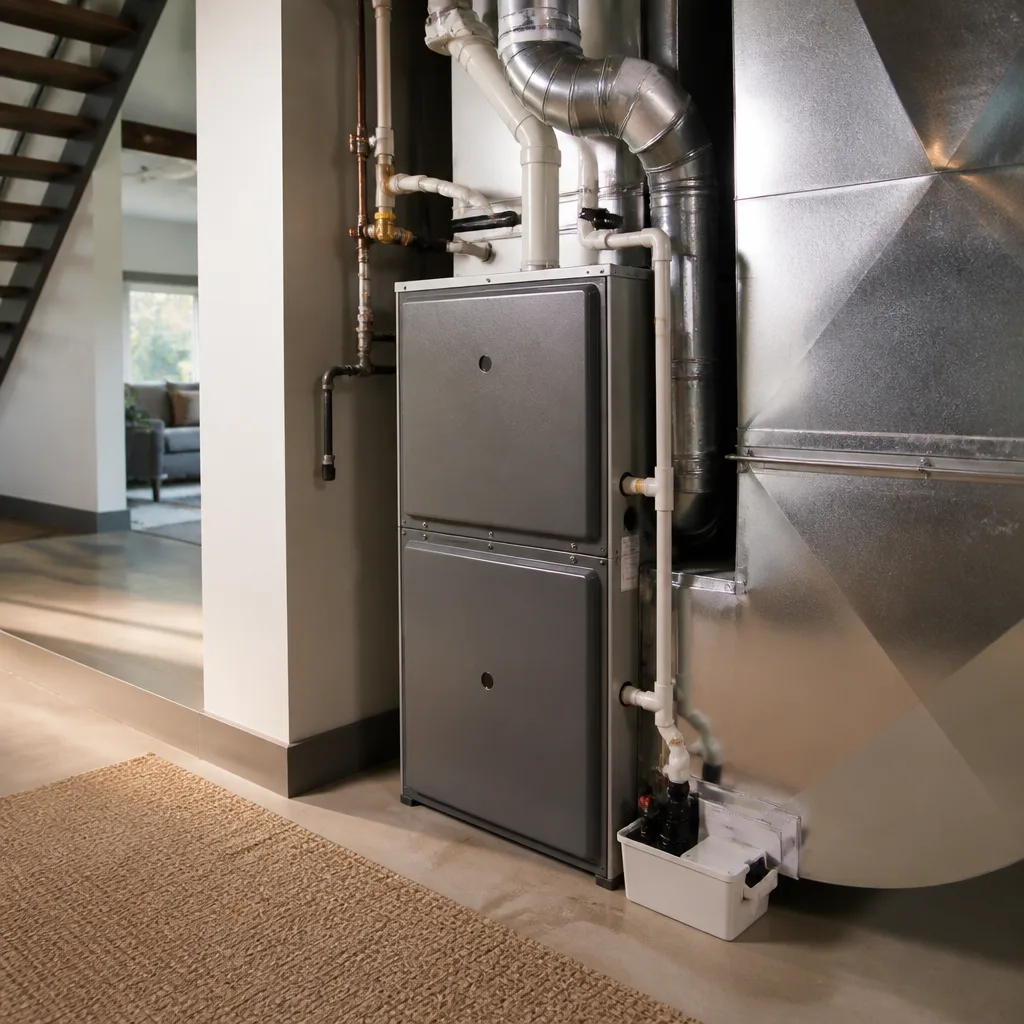 Furnace & heating
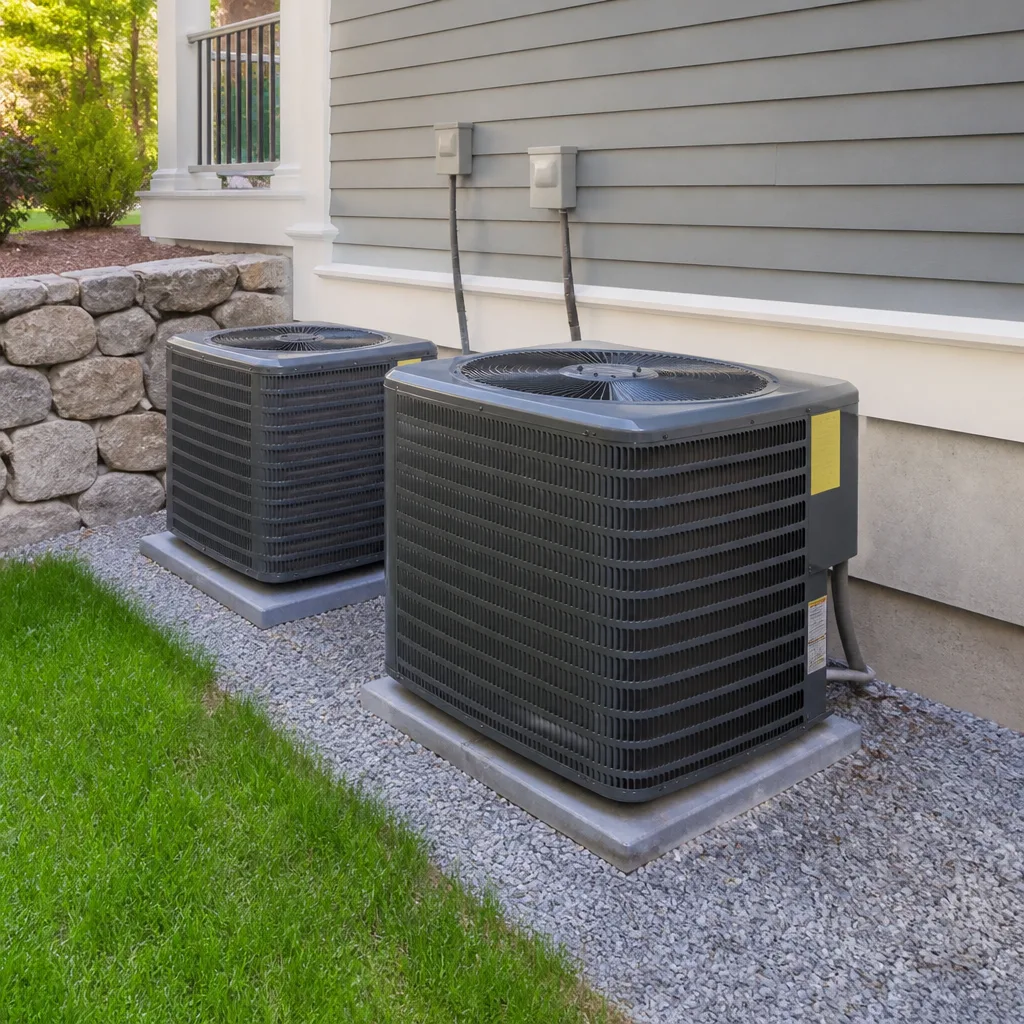 Heat pumps
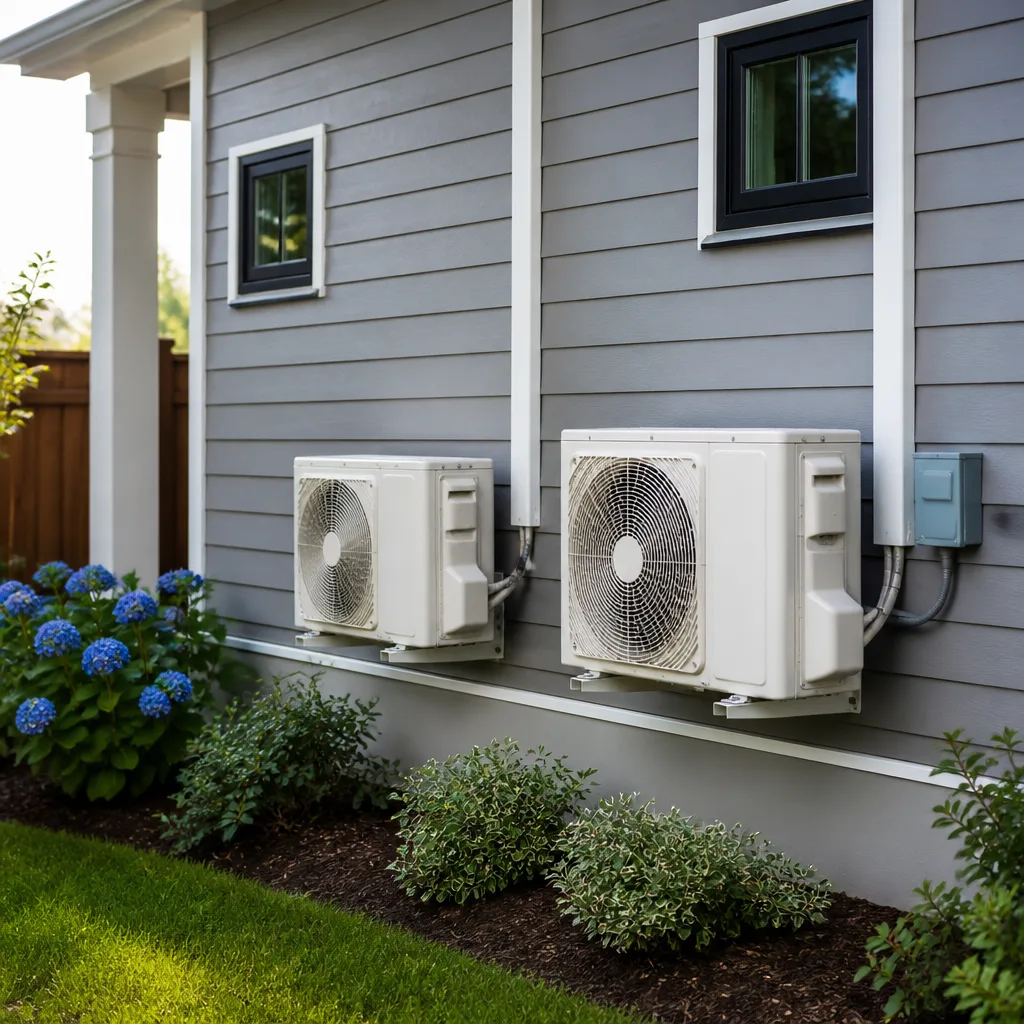 Ductless mini splits
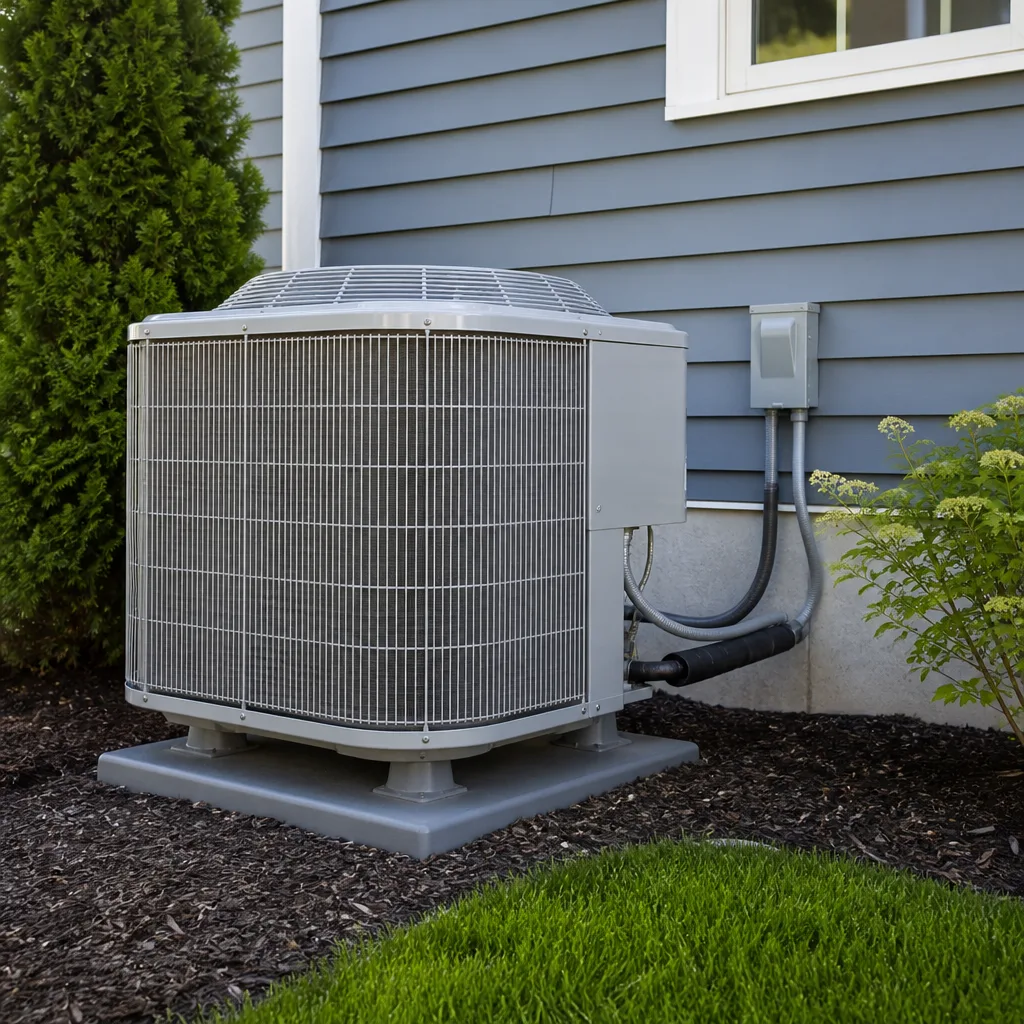 Carrier
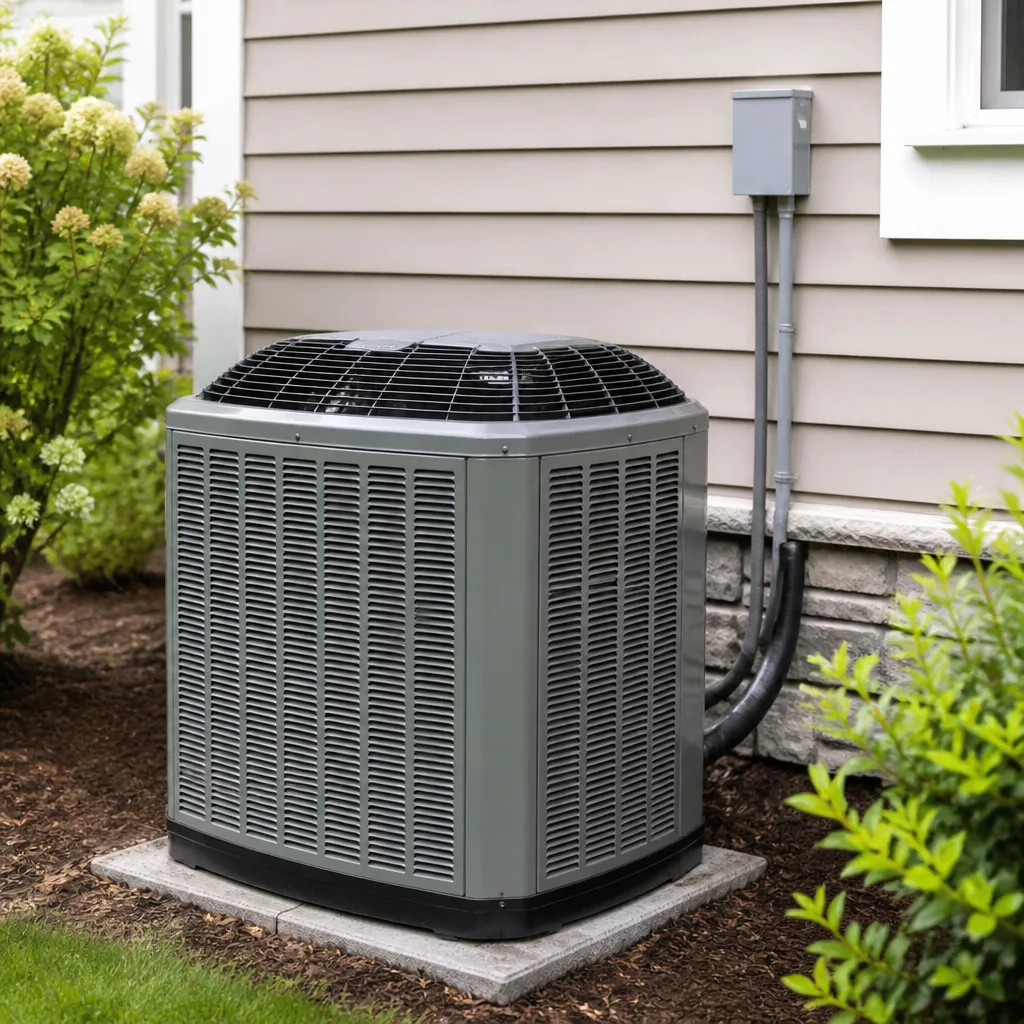 Trane
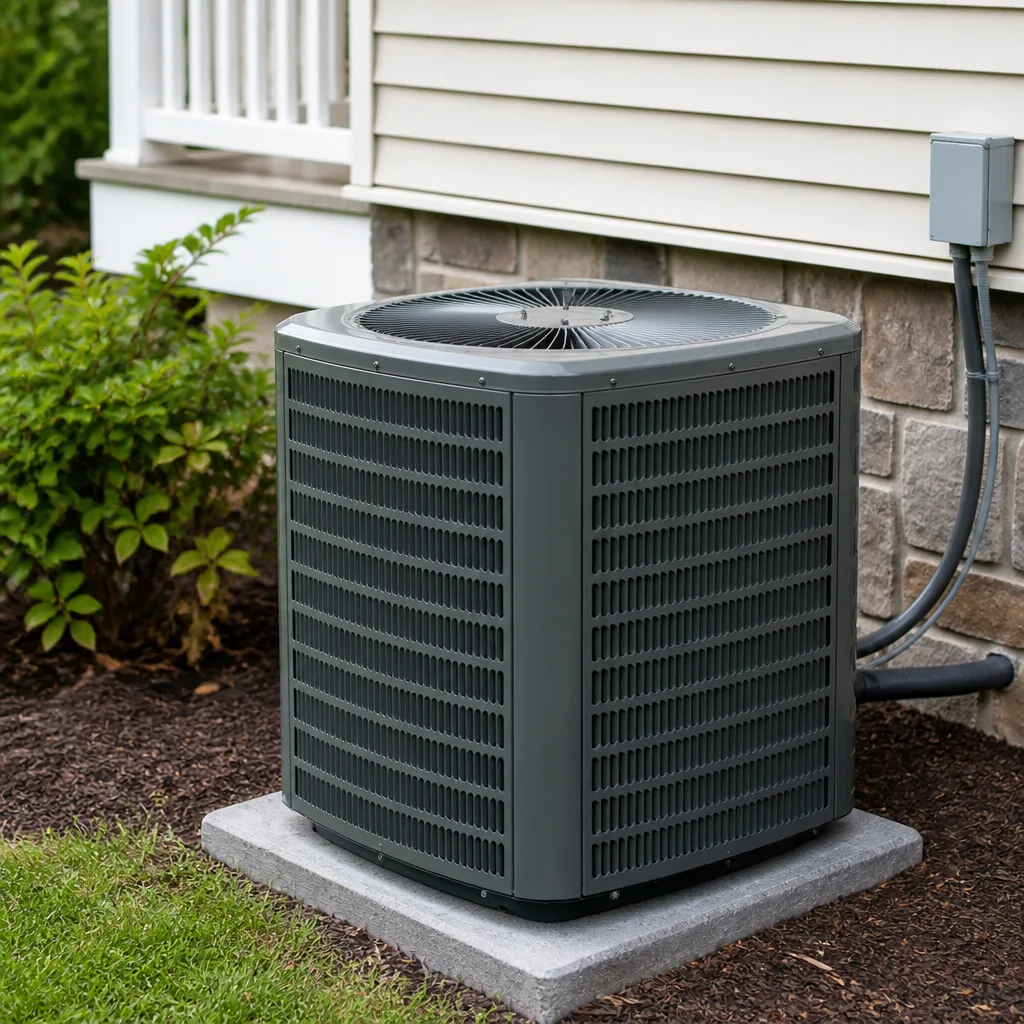 Goodman
Seasonal tune-up and full diagnostic on your Carrier, Trane, or Goodman system - readings shown to you before any repair is proposed
Diagnosis first, numbers second - you approve the repair price before a single part goes in.
Get your free estimateDIY vs Professional HVAC: The Inglewood Homeowner’s Decision Guide
Replacing your own air filter is obvious. Recharging your own refrigerant is illegal under federal law. Between those two extremes sits a wide band of HVAC work where the right answer depends on your specific Inglewood home – the equipment, its age, the layout, and your own comfort with tools. Most guides skip that middle ground and just tell you to call someone. We won’t do that, because some of this work is genuinely yours to handle. This guide sorts HVAC tasks into three honest buckets: what you should do yourself, what you can attempt with care, and what’s off-limits even if you’re handy.
Quick Answer
Filter changes, thermostat batteries, and a careful outdoor coil rinse are safe homeowner tasks. Anything involving refrigerant, gas, the electrical panel, or duct redesign is off-limits in California without the proper license, and a botched compressor repair from a wrong DIY capacitor swap typically lands you in a repair bill far higher than the part ever cost. For diagnosis, repair, or AC installation, a licensed technician is the cheaper path in Inglewood over the life of the equipment.
Styles & brands we work with
- AC repair
- Furnace & heating
- Heat pumps
- Ductless mini splits
- Carrier
- Trane
- Goodman
Table of Contents
- The Three-Bucket Framework: What’s Yours, What’s Risky, What’s Off-Limits
- Safe DIY HVAC Tasks for Inglewood Homeowners
- How to Clean an Outdoor Condenser Coil Without Damaging the Fins
- California Rules That Decide the DIY Line
- The Hidden Math of DIY Gone Wrong
- When a DIY First Look Actually Saves You Money
- Why Your Equipment Brand Changes the Calculation
- Inglewood Housing and Climate Context for HVAC Decisions
The Three-Bucket Framework: What’s Yours, What’s Risky, What’s Off-Limits
The DIY-or-call question gets simpler once you sort tasks by consequence rather than by difficulty. Difficulty is the wrong filter. A task can be easy and dangerous, or hard and perfectly safe. Consequence is what matters, and it breaks HVAC work into three clean categories.
Bucket one – safe and appropriate for homeowners. These are low-voltage, no-refrigerant, no-gas tasks that improve efficiency, extend equipment life, and carry essentially no risk of injury or equipment damage when done with basic care.
Bucket two – possible with caution and the right tools. These sit in the middle. A competent homeowner with the correct meter, the correct replacement part, and a willingness to stop if something looks wrong can finish them. They carry a real cost when done badly.
Bucket three – legally or technically off-limits regardless of skill level. These aren’t about whether you’re capable. They’re about federal and state law, and about the physical danger of the components involved.
Here’s the split at a glance:
- Bucket 1: Filter replacement, thermostat battery swaps, condensate drain flushing, outdoor coil rinsing, debris clearing around the condenser, return vent dusting.
- Bucket 2: Thermostat replacement on low-voltage systems, capacitor replacement on a de-energized unit, blower belt inspection, evaporator coil cleaning access panels.
- Bucket 3: Refrigerant handling, gas line work, electrical panel or high-voltage connections, duct redesign or resizing, compressor replacement, brazing or soldering refrigerant lines.
The trap is assuming everything in bucket two is safe and everything in bucket three just needs more confidence. It doesn’t work that way. A capacitor in bucket two can wreck a compressor if you get the spec wrong, and no amount of confidence fixes that. Duct work in bucket three is legally a licensed job. Sorting by consequence keeps you honest. Our technicians have up to 10 years of experience, and in our experience the calls that go worst are always the ones where a homeowner overstepped into bucket three without meaning to.
Safe DIY HVAC Tasks for Inglewood Homeowners
These are the tasks you should actually be doing, and most Inglewood homeowners are already overdue on at least two of them. None require a technician, a permit, or a meter.
- Replace the air filter every one to three months. Dusty Inglewood afternoons and the older housing stock’s leaky return ducts both load filters faster than a tight, newer build would. Check it monthly during the warm season and change it when it looks gray. A clogged filter strains the blower and cuts airflow from every register in the house.
- Flush the condensate drain line. In a cooling-heavy climate, the drain line is where algae grows. Pour a cup of distilled white vinegar down the access port on the line every couple of months. If you see standing water in the drain pan, that’s algae buildup and it’s worth clearing before it backs up into the equipment.
- Clear two feet of clearance around the outdoor condenser. Leaves, stored items, and shrub growth against the unit choke airflow and force the compressor to work harder. Keep it clean and clear on all sides.
- Rinse the outdoor coil yourself. This is the big one, and it’s covered in detail in the next section.
- Replace thermostat batteries annually. A dead battery isn’t a broken thermostat. A cheap battery swap saves a lot of confused calls.
- Dust the return grilles and supply registers. An easy wipe-down reduces the load your filter has to carry.
None of these tasks require touching refrigerant, opening an electrical panel, or coming near a gas line. They’re all apartment- or house-appropriate in Inglewood, from a bungalow near downtown to a newer build in the eastern hillside neighborhoods. Our furnace repair team hears the same story every fall: the unit was fine, but nobody changed the filter all summer.
The one thing to remember across this whole list is that none of these tasks replace annual service on the equipment itself. Filter changes keep airflow moving. They don’t check refrigerant charge, inspect the capacitor, test the blower motor, or verify the combustion side on a furnace. There’s a reason maintenance exists.
How to Clean an Outdoor Condenser Coil Without Damaging the Fins
The outdoor condenser coil is the most-neglected component on a residential AC system, and it’s also the one where a careful homeowner can genuinely add years to the equipment. The fins are fragile aluminum, though, and the wrong technique flattens them into a wall that blocks airflow permanently. Here’s the procedure we recommend, in order.
Kill the power at the thermostat first, then at the disconnect. The disconnect is a small switch box near the condenser, usually on the wall. Pull it. Never rinse a coil with the unit powered up, and never with the fan running.
- Clear the immediate area. Remove leaves, cobwebs, and any debris sitting against the coil. A shop vac with a soft brush attachment handles the loose stuff.
- Inspect the fins visually. Bent fins are flattened pleats. If they’re visibly crushed across a large area, that’s a sign the coil needs professional fin combing or straightening, and you should stop here.
- Spray the coil cleaner. Use a foaming no-rinse coil cleaner rated for outdoor condensers, not a household all-purpose spray. Follow the dwell time on the label. Don’t scrub the fins.
- Rinse carefully with a garden hose on low pressure. This is the critical step. A pressure washer is the fastest way to bend an entire coil. A standard hose nozzle on the gentlest setting, spraying with the fin direction, is all you need. Rinse top to bottom.
- Let it dry, then replace the disconnect and restore power. Don’t skip the dry time.
What you should not do: use a pressure washer, scrub with a brush, spray from a sharp angle across the fins, or reach into the electrical compartment to clean around the contactor. That last one is why AC repair in Inglewood calls spike after a hot weekend – someone reached into the wrong panel.
Doing this once a year during the warm season is enough in most Inglewood homes. If the unit sits near a landscape that drops a lot of debris, twice a year. That’s the whole job, and it costs you a bottle of coil cleaner.
California Rules That Decide the DIY Line
Skill isn’t the deciding factor for everything in HVAC. Some work is simply reserved for licensed professionals regardless of how handy you are, and California enforces this through federal refrigerant law, state electrical code, and contractor licensing rules. Here’s what that means for each category.
Refrigerant work
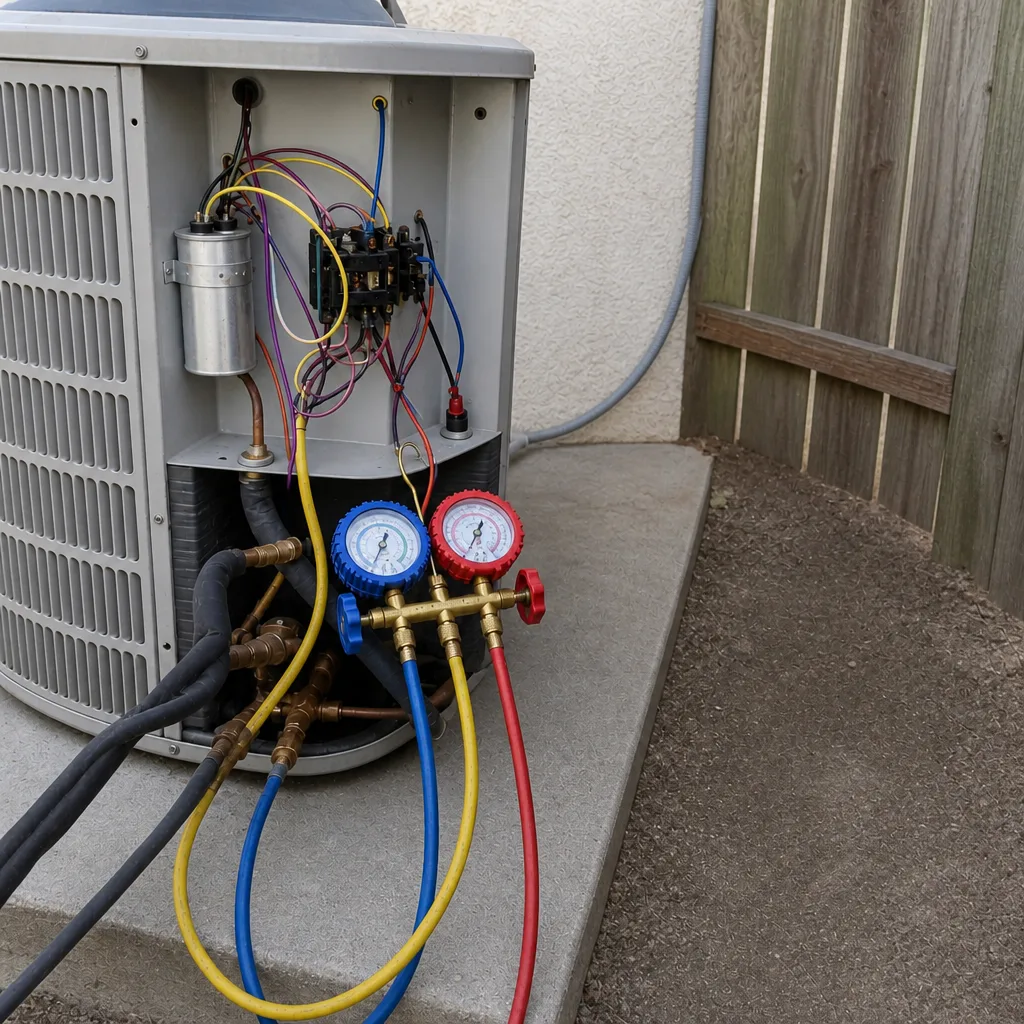
Refrigerant is a controlled substance under federal law, and handling, recovering, or recharging it requires EPA Section 608 certification. This applies whether the system is R-410A or any other refrigerant. A homeowner cannot legally recharge a system, and a technician who does it without certification breaks the law. This is the cleanest line in HVAC. Don’t cross it.
Electrical work near HVAC equipment
The low-voltage side – the 24-volt thermostat wiring – is homeowner-accessible in most cases. The line-voltage side, which includes the disconnect, the condenser contactor, the compressor start components, and the panel breaker that feeds the system, is not. California electrical code classifies this work, and a wrong connection at the contactor can destroy a compressor instantly. If the work involves anything other than the low-voltage control wiring, it’s a licensed job.
Gas line work
Any gas work – installing, modifying, or repairing the fuel supply to a furnace – requires a contractor licensed for the work. The gas valve inside the furnace, the flue, and the supply line are all off-limits. This is a safety rule, but it’s also a permitting rule in most California jurisdictions.
Duct modifications
Duct changes that affect airflow, system sizing, or the building envelope generally require a permit in California, and a licensed contractor to pull it. The state treats duct design as part of the building’s mechanical system, and a resized or extended duct run has to be calculated, not just connected.
What this means for an Inglewood homeowner: the filter, the coil rinse, and the thermostat battery are yours. The refrigerant, the high-voltage, the gas, and the duct work belong to someone licensed. Our technicians have up to 10 years of experience with this framework, and we won’t touch gas or refrigeration work ourselves without the appropriate scope. Neither should you.
The Hidden Math of DIY Gone Wrong
The DIY savings on an HVAC repair can be real, but so is the exposure. A homeowner who swaps a capacitor without matching the microfarad rating can leave the compressor running at the wrong torque curve. Weeks later the compressor fails on a hot afternoon, and the bill is thousands of dollars instead of the hundred or so a proper capacitor replacement would have cost.
The math of that particular mistake is worth spelling out because it’s the most common one we see. A capacitor is a wear part that fails on schedule. Replacing it correctly costs the price of the part plus the labor to install it. Getting it wrong multiplies the failure. When a compressor fails, the fix is usually compressor replacement or full system replacement, plus evacuation and recharge of refrigerant, plus sometimes a filter-drier change. Those are all bucket-three tasks that require licensed work.
Other DIY mistakes with real exposure:
- Cross-threading a refrigerant service port while “checking” charge – turns a routine charge into a repair of the line set.
- Wrong thermostat wiring – can blow the low-voltage transformer, an easy fix that becomes a service call.
- Improperly reinstalled access panels on the air handler – leaves a refrigerant leak path over time.
- Disconnecting the wrong breaker in the panel – a safety risk first, a repair bill second.
- Over-tightening a gas connection after “tightening” it – a gas leak behind a stub wall, which is a plumbing-and-permit problem.
The pattern is always the same. DIY saves money on tasks where you can verify the result. It costs money on tasks where a partial failure shows up weeks later. That’s why we tell homeowners the honest answer for a furnace: furnace repair is a professional job precisely because a partial repair on the combustion side isn’t a savings, it’s a risk. If you ever do decide to replace the system after a failed DIY attempt, we handle AC installation and can walk you through sizing, permits, and matching the equipment to the house.
The rule we recommend to anyone calling us: if you can’t verify the result with a $30 meter or a visual inspection, the DIY savings aren’t real. If you can, they are.
When a DIY First Look Actually Saves You Money
There’s a genuinely valuable category of DIY that most homeowners don’t think of as DIY: the first look. These are the preliminary steps you take before calling a technician. They don’t fix anything on their own, but they make the diagnostic faster and the estimate cleaner, and in our experience they save both time and money on the service call.
Do these before you call:
- Write down the equipment make and model. The data plate is on the outdoor unit and on the furnace. Have the model number handy. It means the technician arrives knowing what they’re looking at, and someone who already knows your brand – Daikin, Bryant, or American Standard, for example – gets to the cause faster.
- Note what the system is doing. Is the thermostat calling? Is the outdoor fan running but the compressor silent? Does the indoor blower come on at all? A short description of behavior is worth a lot more than “it’s broken.”
- Check the obvious things. Filter condition, breaker, thermostat battery, and any recent changes to the home (new paint, new furniture, new landscaping against the condenser). All fair game to check before calling.
- Look at any error codes on the board. Modern furnaces and air handlers display fault codes. Write down the code. Don’t clear it or try to fix it – just note it.
- Note when the problem started. Was it after a power outage? After the last big wind? After someone replaced the filter? Patterns matter for diagnosis.
That list is entirely within a homeowner’s scope. It’s information gathering, not repair. The value is real: a technician who arrives with the model number, the symptom, and the fault code can usually diagnose the problem in fewer visits than one starting cold. In Inglewood, that’s the difference between an estimate that answers the question and one that guesses.
One thing not on the list: don’t open the furnace cabinet or take the covers off the air handler. That’s bucket-three territory. Note the model, note the symptom, and call.
Why Your Equipment Brand Changes the Calculation
The brand of your HVAC system affects which DIY first-look steps are worthwhile and which parts you can source yourself. It also decides whether the technician who shows up knows the equipment on sight or has to look everything up.
We service equipment from Carrier, Trane, Lennox, Goodman, Rheem, York, Daikin, Bryant, and American Standard – nine of the brands most commonly installed in residential homes. That matters for you because it means we don’t have to learn your system on your dime. If you have a Bryant or American Standard system, we know the parts, the common failure points, and the control board layout. If you have a Daikin heat pump, we’ve worked on the configuration.
For DIY purposes, the brand changes two things:
- Part sourcing. Some brands use proprietary capacitors, contactors, and control boards that aren’t available at a general hardware store. Others use standard parts. Before you DIY a part replacement, check that the exact replacement is available locally. If it isn’t, the DIY becomes a wait.
- Diagnostic codes. Not all brands use the same fault-code format. A few use a proprietary diagnostic panel. If your system uses one and you can’t read the code, that’s the point to call rather than guess.
One thing we won’t claim: factory authorization. We service these brands, and our technicians are experienced across them, but we don’t represent factory certifications. What we do offer is brand-agnostic advice. A Goodman value system is a fine system for a rental or a starter home, and a Trane or Lennox premium system makes sense when you’re staying long-term. The right call depends on your house and your budget, not on what a manufacturer is pushing that season.
If you’re weighing repair against replacement on a system whose brand dictates expensive proprietary parts, we can quote furnace repair or replacement separately so you see both numbers. That’s the honest math most homeowners want.
Inglewood Housing and Climate Context for HVAC Decisions
Inglewood winters are mild, and the summers are dry and warm. That combination shapes what your HVAC system does and what matters most in maintenance. There’s no freeze risk to prepare for, which means the cooling side of the system does more of the year’s heavy lifting than the heating side in most homes. That changes the priority list.
What that means in practice:
- Your outdoor condenser carries more load. With a long, warm cooling season, the condenser coil and its airflow are the components that wear first. Coil cleaning is genuinely worth your time here.
- Your filter loads faster than you think. In a dry, dusty Southern California climate, the filter clogs quick. Monthly checks during summer are not overkill in Inglewood.
- Furnace service is still worth doing annually. Mild winters mean the furnace runs less, but heat exchangers, burners, and flues don’t need cold weather to wear. Gas-side inspection is a safety issue, not just a comfort one.
Housing stock matters too. Inglewood’s mix of older single-family homes, mid-century bungalows, and newer construction means HVAC systems vary widely in age and configuration. Older homes often have ductwork that was retrofitted into spaces not originally designed for it, which makes duct modification especially a professional job. Newer homes may have tighter envelopes, which changes how the system should be sized for AC installation. A technician sizing a replacement system properly does a load calculation, which is exactly the kind of work a homeowner shouldn’t skip.
For more on how we think about the Inglewood market and housing stock, our Inglewood page has the local overview. The short version: climate here is kind to equipment if you maintain it, and unforgiving if you don’t. A regularly cleaned condenser and a clean filter go further here than in almost any other climate, because the cooling season is long enough that the wear builds quietly.
Common Mistakes to Avoid
- Trying to top off refrigerant yourself. This is the most common and most serious mistake. Refrigerant handling requires federal certification, and a partially charged system is a system that’s failing faster than it needs to. Call a professional for anything refrigerant-related.
- Pressure-washing the outdoor coil. A pressure washer flattens the aluminum fins in seconds. A garden hose on low pressure is what you want. The fins can’t be repaired once they’re bent beyond a certain point without professional straightening.
- Mismatched capacitor replacement. Capacitors have to match the exact microfarad rating on the original, and the wrong value damages the compressor over weeks, not immediately. If you can’t read the rating clearly, don’t guess – call.
- Ignoring the fault code. A furnace or air handler that throws a code is telling you something. Clearing it and trying again wastes a diagnostic opportunity. Note the code, then call.
- Assuming “it’s just the filter” when the system is underperforming. A clean filter helps airflow, but a system that isn’t cooling right or is running long cycles has a bigger issue. Filter changes don’t fix refrigerant charge or a failing blower.
- Modifying ductwork without a permit. Inglewood duct changes that affect airflow or system sizing are permitted work in California. A DIY duct “improvement” can void coverage and leave the system running worse than before.
- Calling during a heat wave after a DIY repair attempt. If your first look turns into a repair attempt and the system fails on the hottest day, you’re competing with every other Inglewood homeowner for a technician. Have the honest answer ready before you start, not after.
See the difference
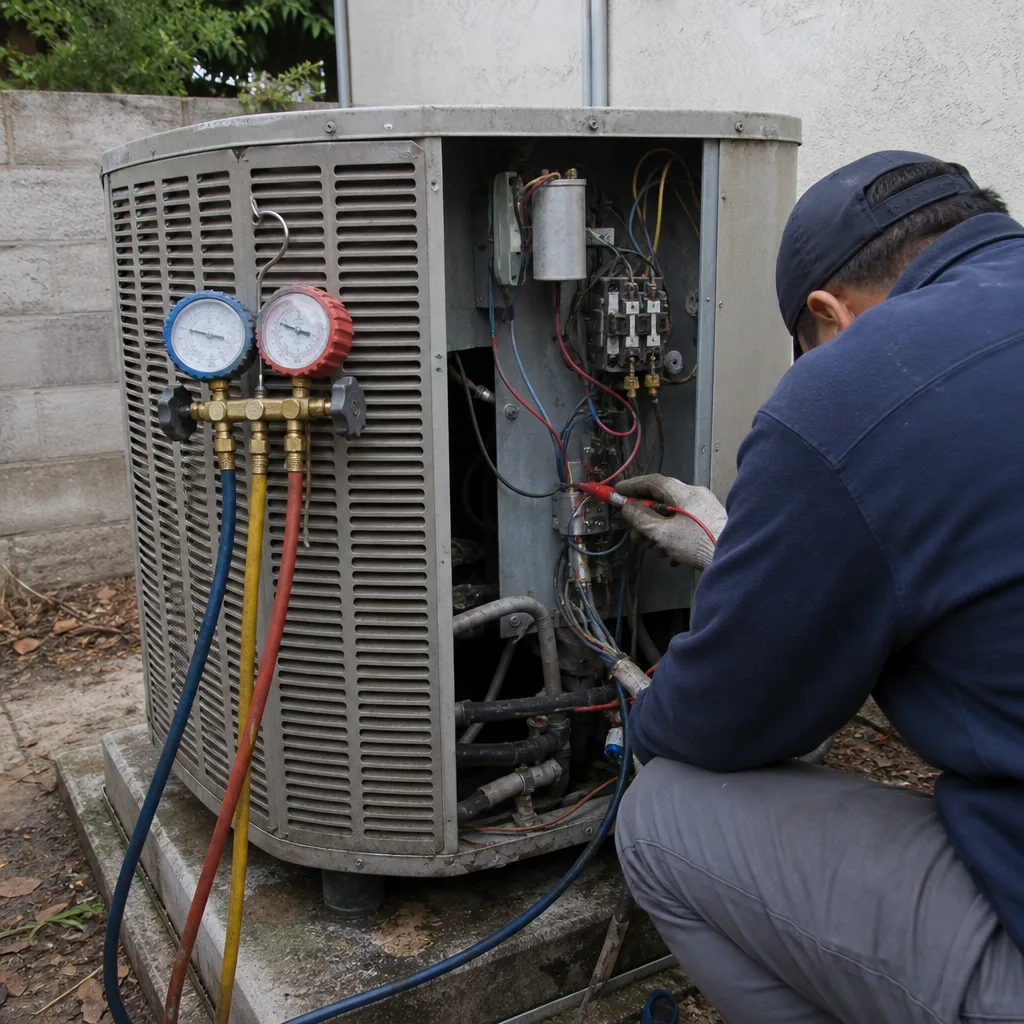 Before
 After
 Before
 After
 Before
 After
When to Call a Professional
Call a professional when the work touches refrigerant, gas, the electrical panel, or duct design. Those are the bucket-three categories where DIY becomes liability, not savings. Call when the system shows symptoms you can’t verify with a meter – warm air, short cycling, unusual noise, a burning smell, or an unfamiliar fault code. Call when a furnace makes any strange smell or sound at all, since those are combustion-side indicators. And call for AC installation and system sizing, where a load calculation determines whether the equipment actually fits the house. AC Repair Inglewood offers free estimates in Inglewood – call (866) 942-9087. We answer 24/7. Fast dispatch from 7am to 7pm, Sunday through Friday.
Frequently Asked Questions
No. Refrigerant handling, recovery, and recharging require EPA Section 608 certification under federal law, so it’s a licensed professional task regardless of your skill level. The same rule applies to any system that uses R-410A or other regulated refrigerants, and it’s the clearest line between DIY-safe and off-limits. Call (866) 942-9087 for a free estimate on refrigerant work.
Once a year during the warm season covers most Inglewood homes, and twice a year if the condenser sits near a landscape that drops debris. Rinse with a garden hose on low pressure only; a pressure washer will flatten the aluminum fins and reduce airflow permanently. That single task is the highest-value maintenance a homeowner can do on their own system.
Only if you can confirm the exact microfarad rating on the original and source an exact replacement. A mismatched capacitor can damage the compressor over weeks, and once the compressor fails the repair is a professional job worth far more than the part did. If the rating isn’t legible or the part isn’t available locally, call (866) 942-9087 for a diagnosis instead of guessing.
Yes. Duct modifications that affect airflow or system sizing are treated as permitted mechanical work, and most California jurisdictions require a licensed contractor to pull the permit. Even where the work seems cosmetic, a resized or extended duct run has to be calculated rather than just connected. That makes duct work a professional category in Inglewood, not a DIY project.
Check the battery first, then the breaker at the panel, then whether the thermostat is calling for cooling when the house is warm. If the display stays blank after a fresh battery and the breaker is fine, the issue is likely in the low-voltage wiring or the transformer, and that’s a service call. Call (866) 942-9087 if the simple checks don’t resolve it.
Do the first look before you call, but don’t attempt a repair. Gather the model number from the data plate, note the equipment behavior, record any fault codes, and check the filter and breaker. That information makes the diagnostic faster and typically reduces the visit. Attempting the repair itself is where DIY usually costs more than it saves.
The Bottom Line
The line between DIY and professional HVAC work isn’t about confidence or difficulty – it runs along consequence. Filter changes, thermostat batteries, condensate drain flushes, and outdoor coil rinsing are yours, and they genuinely extend equipment life in Inglewood’s warm, dry climate. Refrigerant handling, gas work, high-voltage electrical, and duct modifications are legally and technically professional work, and the cost of getting them wrong is far higher than a service visit. The most useful DIY move you can make is the first look: gather the model number, the symptom, and any fault codes before you call. That saves money without risking anything. For anything else, our team at AC Repair Inglewood is ready.
If you’re weighing repair against replacement, or just need a straight diagnosis on a Carrier, Daikin, or American Standard system, call (866) 942-9087 for a free estimate. We answer 24/7. Fast dispatch from 7am to 7pm, Sunday through Friday. We’ll tell you what your system needs, not what costs more.
Written by the team at AC Repair Inglewood.