
Last updated November 16, 2026
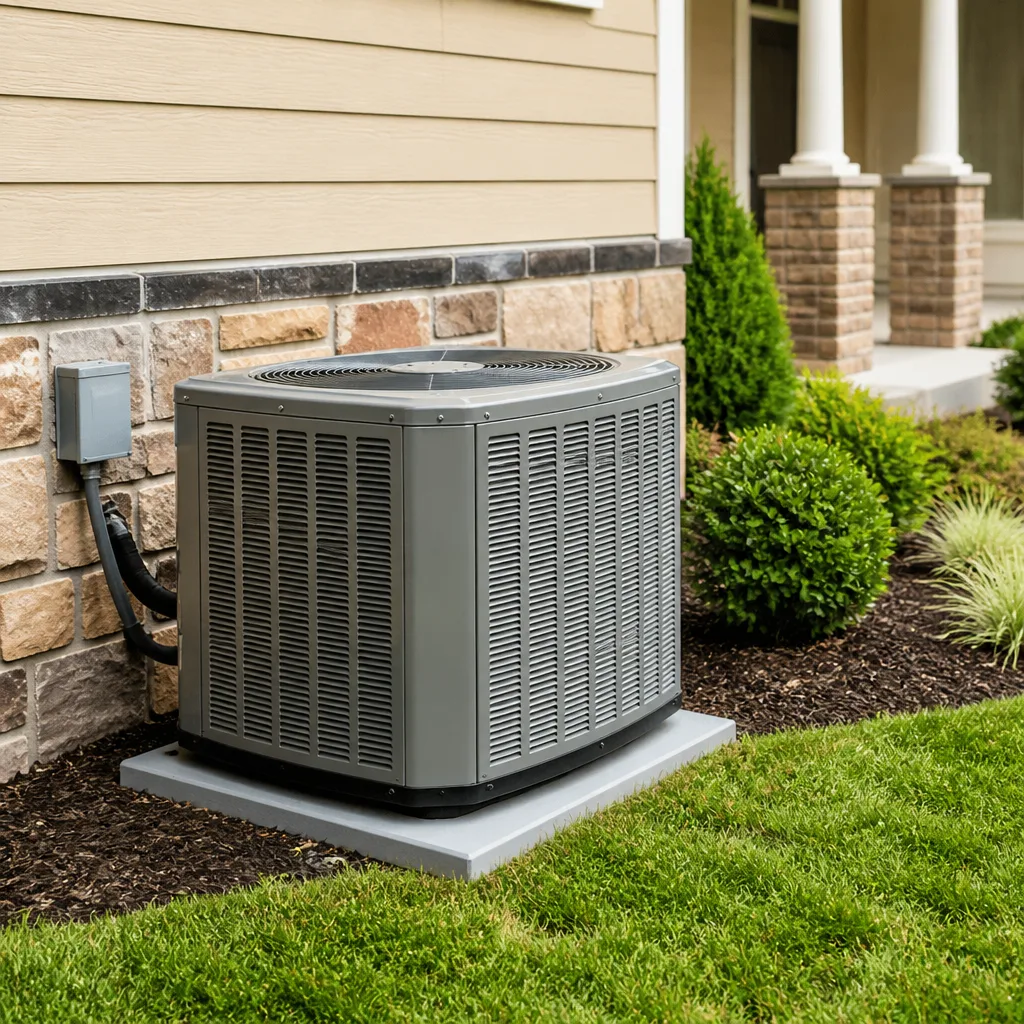 AC repair
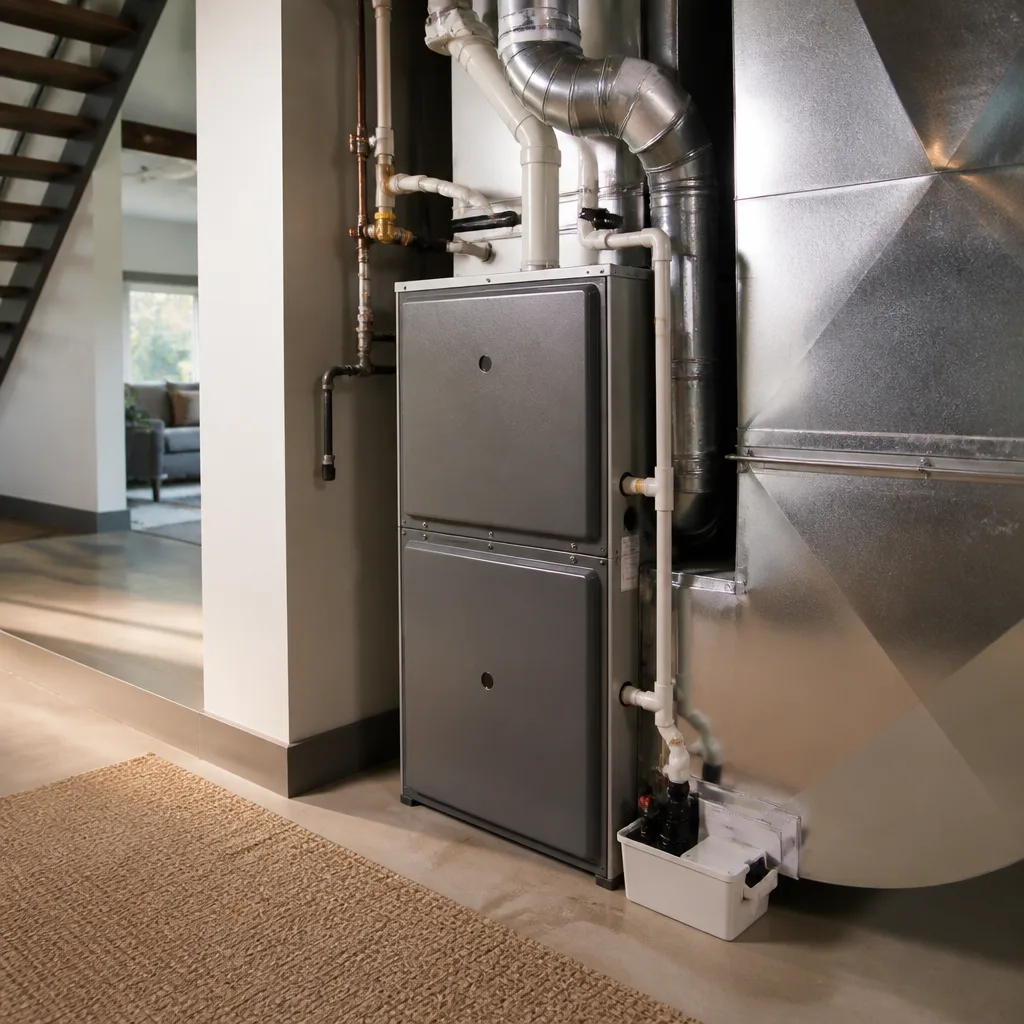 Furnace & heating
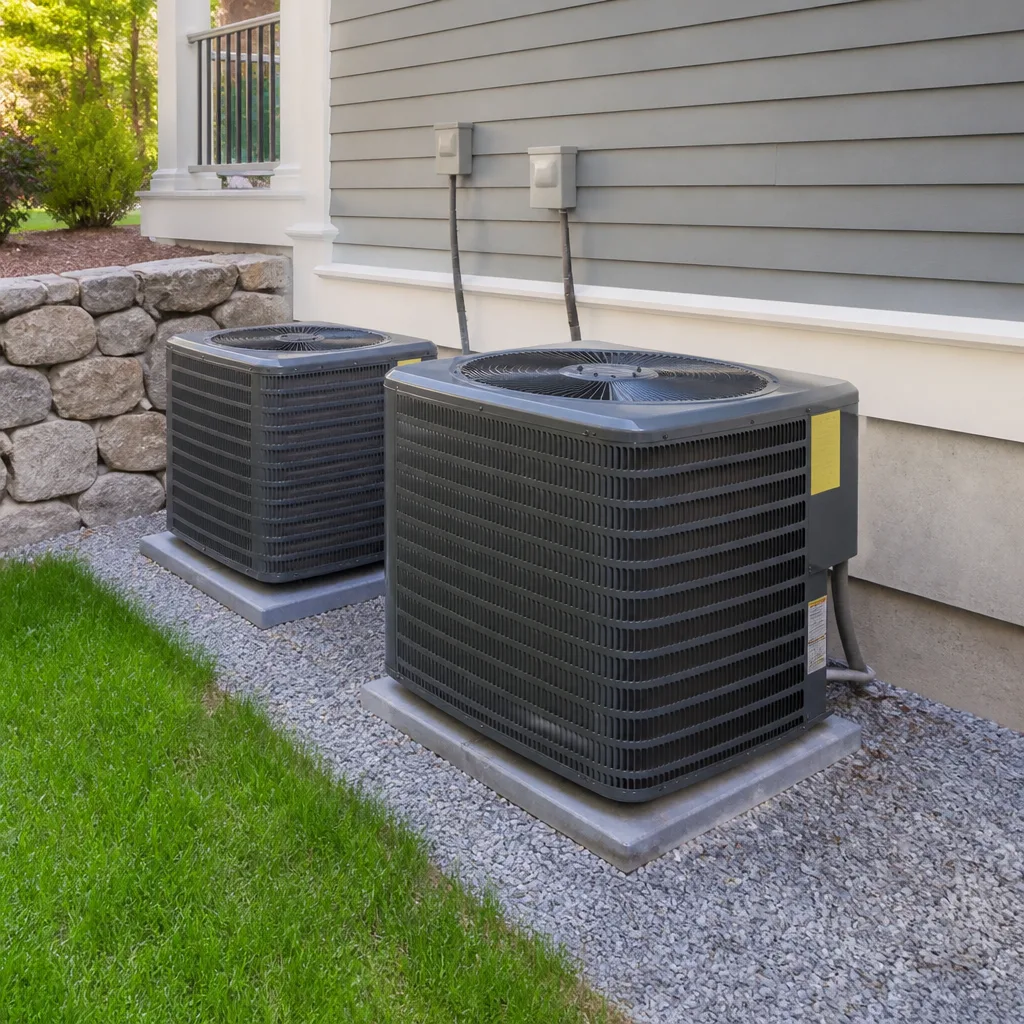 Heat pumps
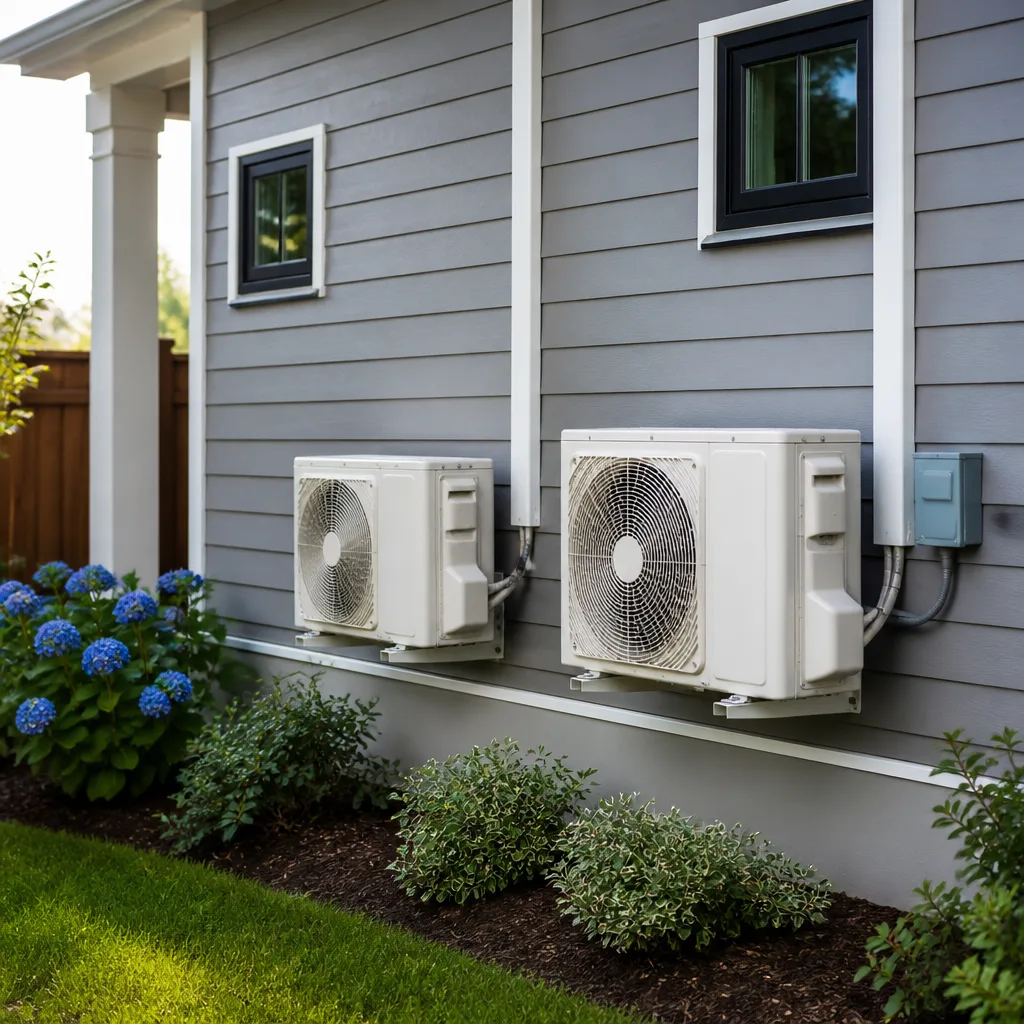 Ductless mini splits
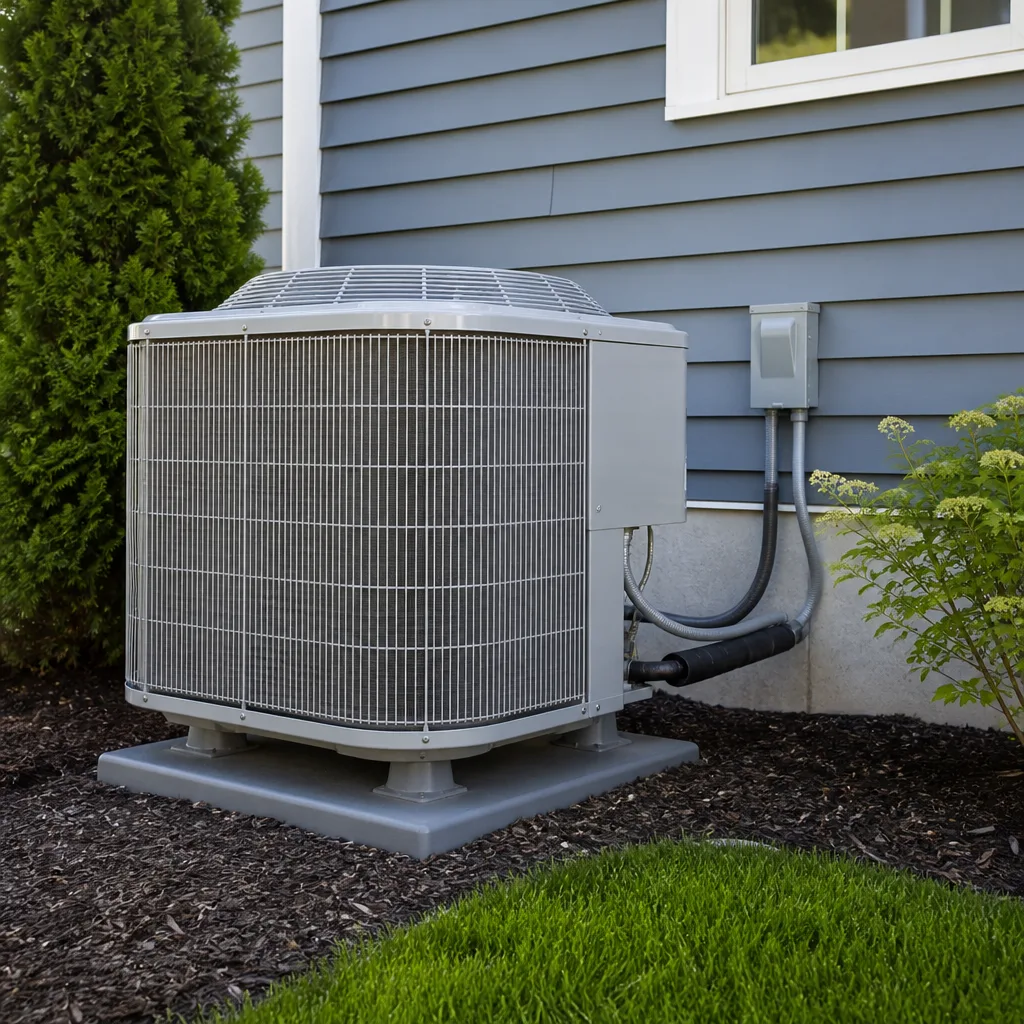 Carrier
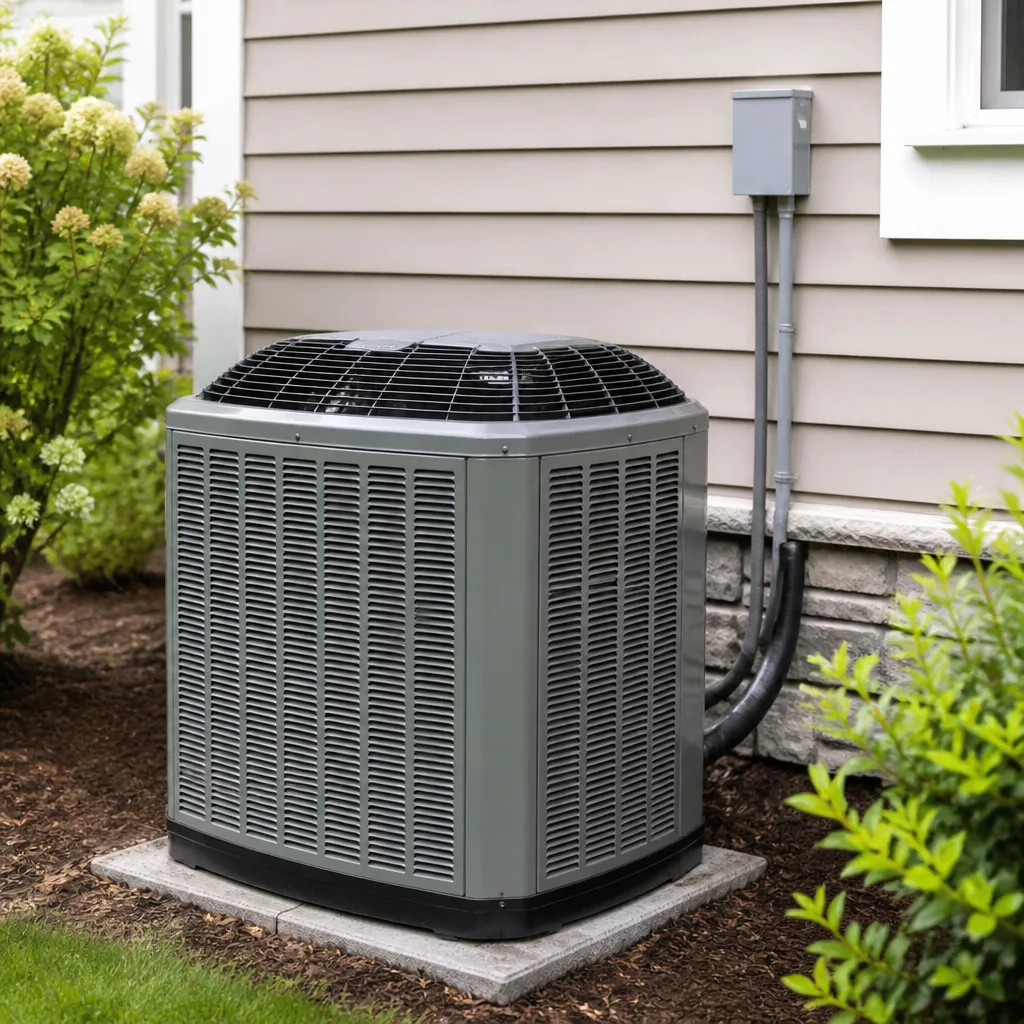 Trane
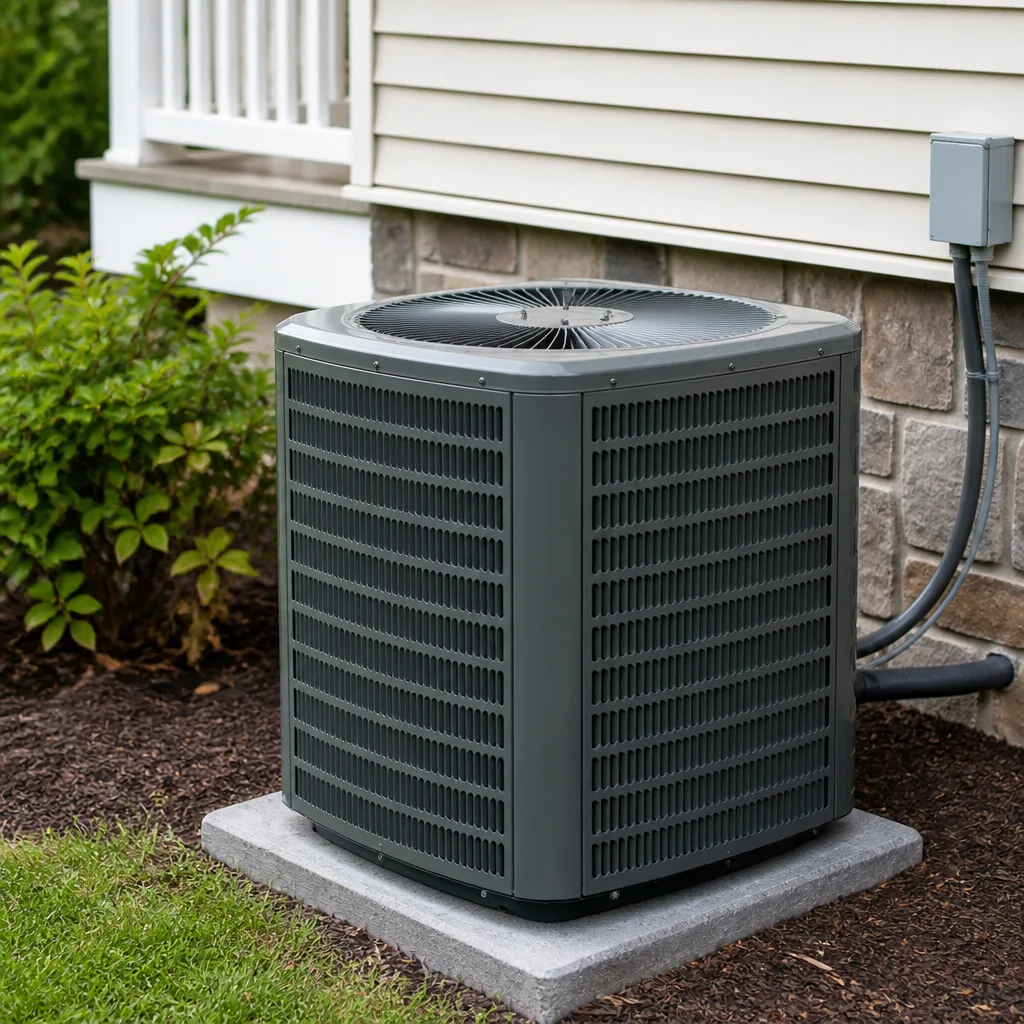 Goodman
Seasonal tune-up and full diagnostic on your Carrier, Trane, or Goodman system - readings shown to you before any repair is proposed
Diagnosis first, numbers second - you approve the repair price before a single part goes in.
Get your free estimateHVAC Emergency Preparedness Guide for Inglewood Homes
Most people assume the homes that suffer most in a heat wave are the ones without air conditioning. In our experience, that’s not what happens. The homes that fare worst are the ones with a working system that quit on day two, often because a small problem went unserviced for a season. Inglewood sits in a pocket where heat builds differently block to block, and the gap between a comfortable afternoon and a dangerous one can come down to a single deferred service call. This guide walks through what to check before the heat arrives, what to do in the first 30 minutes of a failure, and how to get triaged fast when you do need help.
Quick Answer
An HVAC emergency in Inglewood is best prevented, not reacted to. Before summer, confirm your filter is clean, your outdoor condenser coil is clear, your thermostat is calibrated, and your system has been serviced – most heat-event failures trace back to one of these four things. If your system does fail during a heat event, reset the breaker, check the filter and thermostat first, and call (866) 942-9087 with your system’s brand, age, and exact symptoms so you can be triaged correctly. We answer 24/7, with fast dispatch from 7am to 7pm, Sunday through Friday.
Styles & brands we work with
- AC repair
- Furnace & heating
- Heat pumps
- Ductless mini splits
- Carrier
- Trane
- Goodman
Table of Contents
- Why Inglewood Homes Face a Different Kind of Heat Risk
- The Pre-Season Emergency Readiness Checklist
- The First 30 Minutes of an AC Failure
- Is Your Home in an Inglewood Heat Island Zone?
- Emergency Cooling Strategies for Inglewood Homes
- What to Tell an HVAC Dispatcher for Fast Triage
- Protecting Elderly Residents and Young Children
- Maintenance That Prevents Emergencies
Why Inglewood Homes Face a Different Kind of Heat Risk
Inglewood sits roughly ten miles from the coast but still feels the inland push of heat on the worst summer days. That geography creates a large swing across the city. Neighborhoods on the eastern side, closer to the 110 and the older residential blocks, can run meaningfully hotter on a given afternoon than areas nearer the western edge. When you’re talking about a system that’s already strained, ten extra degrees of outdoor heat matters.
The housing stock matters just as much. Many Inglewood homes were built decades ago with smaller windows, less insulation, and cross-ventilation that assumes a coastal breeze that doesn’t always arrive during a heat event. Older single-story homes with wall-unit or window-unit cooling concentrate the load on a single room. Two-story homes from later decades often have central systems with ductwork that’s never been inspected.
Air conditioning is not a luxury in an Inglewood heat wave. It’s home safety. Elderly residents, young children, and anyone with a chronic condition are at real risk when indoor temperatures climb above the high 80s for more than a few hours. Inglewood homes that treat HVAC as “appliance management” tend to be the ones that end up in a crisis. Homes that treat it as safety infrastructure tend to ride out the same event without incident.
That’s the mindset shift this guide is built around. A furnace or an AC unit is not a machine you fix when it breaks. It’s the system that keeps your family safe on the hottest three days of the year. The work of preparation happens months before those days arrive.
The Pre-Season Emergency Readiness Checklist
The single most useful thing you can do for an Inglewood home is run a readiness check before June. Not during the first hot week. Before. Contractors get booked out fast once a heat event is in the forecast, and a service call you could have scheduled in April becomes a scramble in July.
Here’s the checklist we recommend every homeowner run through. Most of it takes under an hour total.
- Replace or clean the air filter. A clogged filter is the single most common cause of a system that freezes up or overworks in a heat event. Check the size printed on the current filter, buy two more, and keep them on hand.
- Clear the outdoor condenser. Trim vegetation at least two feet back from the unit. Remove any debris that’s collected around the base or in the fins. The condenser needs to shed heat; if it can’t, it will shut down on a hot day.
- Test the thermostat in cool and heat modes. Turn it on in the morning, listen for the system to kick on, and watch the temperature actually drop. A thermostat that reads a different temperature than a separate thermometer in the room is drifting and needs recalibration or replacement.
- Check the condensate drain line. A blocked drain trips the safety switch and shuts the system off. Pour a cup of water down the access port and confirm it drains within a minute.
- Look at the breaker panel. Confirm the AC breaker isn’t already tripped, and note the location so you’re not fumbling in the dark if it trips later. If a breaker has ever tripped more than once on the same circuit, that’s a call-before-summer item.
- Schedule a full service. A technician can check refrigerant charge, capacitor condition, contactor wear, and electrical connections in a single visit. Our technicians have up to 10 years of experience and can diagnose most systems in one appointment.
- Write down your system’s brand and model number. If your unit is a Lennox, Goodman, Rheem, York or another widely installed brand, note it. A technician who recognizes your equipment gets to the answer faster.
That last item matters more than people think. When you call for help, telling us your system is a 2014 Lennox versus “an AC unit” is the difference between a technician who arrives familiar with the system and a technician who arrives guessing. Our AC repair work covers nine of the most widely installed brands, so most Inglewood homes already have equipment we know.
The First 30 Minutes of an AC Failure
When your AC quits on a hot afternoon, the first impulse is to call. That’s fine – call. But before you do, there are three checks that resolve a meaningful share of “failures” without any technician visit at all. In our experience, a reset, a filter check, and a thermostat test handle the easy cases in under 30 minutes.
Step 1: Confirm it’s actually a failure
Check that the thermostat is set to Cool, the fan is on Auto, and the set temperature is at least three degrees below the current room temperature. A thermostat in a heat event sometimes reads the wall temperature, not the room, and it won’t call for cooling if it thinks the room is already cool. Tape a kitchen thermometer to the wall next to the thermostat for one minute and compare.
Step 2: Reset the breaker
Go to the panel and confirm the AC breaker is in the middle position or fully off. If it’s tripped, flip it firmly to Off, wait 30 seconds, flip it to On. Do not reset the breaker more than once. If it trips again immediately, stop and call – a breaker that keeps tripping is telling you something is wrong electrically, and continuing to reset it can cause damage or a fire risk. Electrical work at the panel is not a homeowner task; leave it to a licensed electrician or HVAC technician.
Step 3: Check the filter
Pull the filter and hold it up to a light. If you can’t see light through it, the system is starving for air and may have frozen the indoor coil. Replace it, wait 30 minutes without running the system, then try again.
Step 4: Look for ice
If you see frost or ice on the refrigerant line or the indoor unit, turn the system off at the thermostat and don’t restart it until it’s fully thawed. Running a frozen system can damage the compressor, which is the most expensive part of any AC.
If none of these resolve the problem, you have a real failure and it’s time to call. Call (866) 942-9087. We answer 24/7. A call outside dispatch hours is booked into the next opening, Sunday through Friday, 7am to 7pm.
Is Your Home in an Inglewood Heat Island Zone?
Urban heat islands are pockets where pavement, rooftops, and reduced tree cover push daytime temperatures above the city-wide average. In Inglewood, the pattern is uneven. Homes on blocks with heavy mature tree cover, especially in some of the western and central residential neighborhoods, tend to stay several degrees cooler than homes on blocks dominated by asphalt and minimal shade.
You don’t need a government dataset to know if your home is in a hotter pocket. Walk your block on a hot afternoon and note three things:
- Tree canopy. Is your street shaded by mature trees, or does it bake in full sun?
- Pavement ratio. Is your block mostly houses with lawns and driveways, or is it near a large parking lot, wide arterial street, or commercial corridor?
- Older construction. Homes built before modern insulation standards lose cool air fast, regardless of neighborhood.
If you’re on a hot block, your cooling load is measurably higher than a home of the same size three streets away. That affects how hard your system works, how quickly it will strain during an extended heat event, and how fast a partial failure becomes a total one. Homes in hotter pockets should treat pre-season service as non-optional, not nice-to-have.
The practical takeaway: don’t judge your system’s health against a neighbor’s. Judge it against the load your specific block is putting on it. If you want help understanding whether your system is correctly sized for your home’s actual cooling load, a technician can look. Our AC installation service includes proper sizing and a load review – not just swapping a unit for the same size.
Emergency Cooling Strategies for Inglewood Homes
If your AC fails during a heat event and you can’t get a technician out the same day, the next twelve hours are about protecting the people in the house. These strategies apply specifically to Inglewood homes and the way most of them are laid out.
Seal one room, don’t try to cool the whole house
Pick the smallest, most insulated room in the house and make it the safe room for the hottest hours. Close the door. Cover the windows with a light-colored blanket or towel from the inside to reflect heat. Run any portable fan in the room. The goal is not to make the room cold; it’s to keep it below the threshold where heat becomes a health risk.
Close off the rest of the house
Close bedroom doors, close curtains on the sun-facing side of the house, and shut off unused rooms. Heat gain comes mostly through windows and doors. Every curtain you close and every door you shut reduces the load.
Be honest about window ventilation
Opening the windows at night is a standard cooling strategy in most of Southern California, but Inglewood has a specific complication: flight path noise. Homes directly under or adjacent to the LAX approach and departure corridors can’t reasonably leave windows open overnight, especially with children sleeping. If you’re in that band, use a box fan in a window facing away from the corridor and run it on low rather than opening the whole house.
Watch the clock on the outdoor air
Ventilate in the early morning, before 9am, when the outdoor air is coolest. Once outdoor temperatures climb above indoor, close everything. Opening a window at 2pm in a heat event makes the house hotter, not cooler.
Hydrate and monitor
During a heat event, the most vulnerable people in the house are the least likely to notice they’re overheating. Check on elderly family members every couple of hours, offer water without being asked, and watch for confusion or lethargy, which are early signs of heat illness – not just discomfort.
What to Tell an HVAC Dispatcher for Fast Triage
The single most important call of a heat event is the one that determines whether you get a same-day slot or a callback. Excellent dispatch is not luck. It’s information. When a homeowner calls us with six specific facts ready, the triage happens in a minute. When a homeowner calls with “my AC isn’t working,” the process takes longer and the placement is less precise.
Have these ready before you dial:
- The system’s brand and approximate age. “It’s a Goodman, about eight years old” or “a Rheem we believe is original to the house.” This tells dispatch what parts and expertise are needed.
- Exactly what the system is doing. Is the outdoor fan running? Is the indoor blower running? Is it blowing warm or room-temperature air? Is it short-cycling? Is there ice anywhere? Specific behavior narrows the diagnosis.
- Whether anyone in the home is vulnerable. Elderly residents, infants, or anyone with a health condition elevates the call. We prioritize accordingly.
- Whether the breaker has been reset, and how many times. A breaker that’s tripped twice is a different call than a system that’s never powered on.
- Whether the thermostat is set correctly. Confirm the setting and the current reading, so the technician can rule out control problems.
- Your exact address and any access notes. Gate codes, dogs, parking constraints on narrow streets – all of it saves time.
With that information, we can dispatch a technician who’s prepared for your equipment and the likely problem. To make that call: (866) 942-9087. We answer 24/7. Fast dispatch from 7am to 7pm, Sunday through Friday.
Protecting Elderly Residents and Young Children
Heat illness in Inglewood doesn’t always look like heat stroke. The most common pattern in a home without working cooling is a slow buildup of indoor heat that older residents don’t register because their bodies regulate temperature less sensitively with age. In our experience, the early warning signs are often behavioral – a person who stops moving around the house, becomes less conversational, or reports feeling “fine” while sitting in a room at 91 degrees.
If your household includes someone over 65, an infant or toddler, or anyone with cardiovascular or respiratory conditions, the threshold for calling for help should be much lower. Don’t wait until the house is unbearable. Call when the system fails and the forecast calls for extreme heat. We schedule by urgency for exactly this reason.
If the system is out and you can’t get help immediately, take the person to a cooling center or a neighbor’s home. Inglewood has options that open during heat events; watch for city announcements as a heat wave approaches. This is not something to wait out.
Maintenance That Prevents Emergencies
Nearly every emergency we see traces back to a maintenance item that was skipped. The math on prevention is unglamorous: one service appointment in spring, one filter change per season, and one honest look at how the system is running.
Our furnace repair calls follow the same pattern. A furnace that hasn’t been serviced in three years is more likely to fail on the first cold night than a furnace that got an annual checkup. The same rule applies on the cooling side. The one-season-ahead window is what matters.
If you want one appointment that covers both systems, ask for it. We see heating and cooling as one system in one home, not two unrelated appliances. That’s part of why our work spans both AC installation and complete furnace service under a single phone call. You shouldn’t have to juggle two contractors to keep one house safe.
And if a system is getting old – say, 12 to 15 years on the original equipment – the honest conversation is worth having before summer rather than during it. Our brand coverage means we can give an answer regardless of what’s already in the house: Carrier, Trane, Lennox, Goodman, Rheem, York, Daikin, Bryant, and American Standard. Brand-agnostic advice is the whole point. What works for your home and your budget is the answer we’re after, not what a single manufacturer pushes.
Common Mistakes to Avoid
- Waiting for the first hot week to service. Once a heat event is forecast, every HVAC company in the area is booked. Schedule the check in spring, before the phones light up.
- Resetting the breaker multiple times. A breaker that trips once might have been a fluke. A breaker that trips twice is a warning. Resetting it again and again can cause damage or a fire risk – call instead.
- Running a frozen system. If you see ice on the refrigerant line or indoor unit, turn the system off. Running it while frozen can destroy the compressor. Waiting 12 hours for a technician is far cheaper than replacing the compressor.
- Assuming “same brand as my neighbor” means “same service needs.” Two Inglewood homes on the same block can have wildly different cooling loads depending on tree cover, attic insulation, and window orientation. Judge your system by your own home, not a neighbor’s.
- Opening windows in the middle of the afternoon. In a heat event, outdoor air is hotter than indoor air for most of the day. Ventilate in the early morning, then close up before the outdoor temperature climbs.
- Ignoring the dispatcher’s questions. “It’s not working” gives dispatch almost nothing to work with. Have the brand, age, and exact symptoms ready – it can move you from a next-day slot to a same-day one.
- Treating a small symptom as a minor one. A system that short-cycles, blows warm air intermittently, or trips the breaker on occasion is telling you something is failing. Catching it in May is a repair; catching it in August is a crisis.
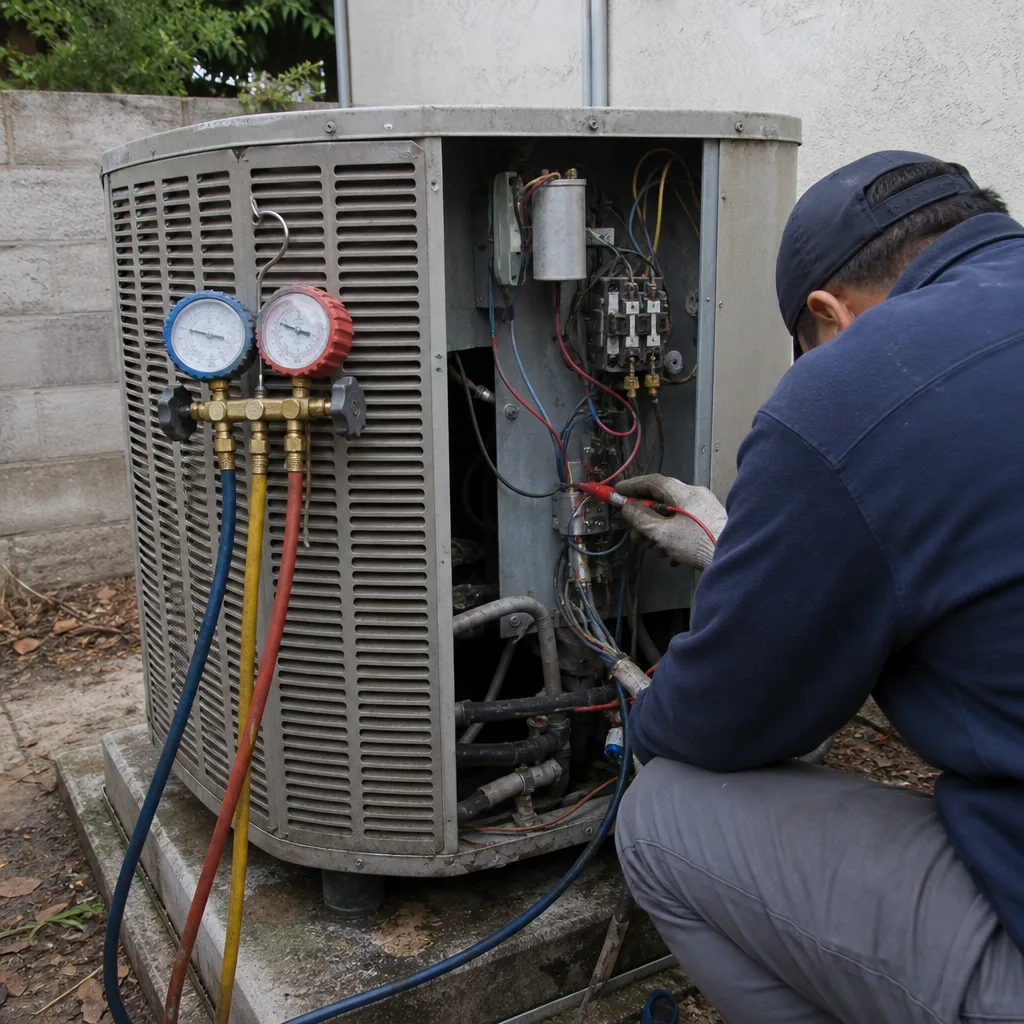
See the difference
 Before
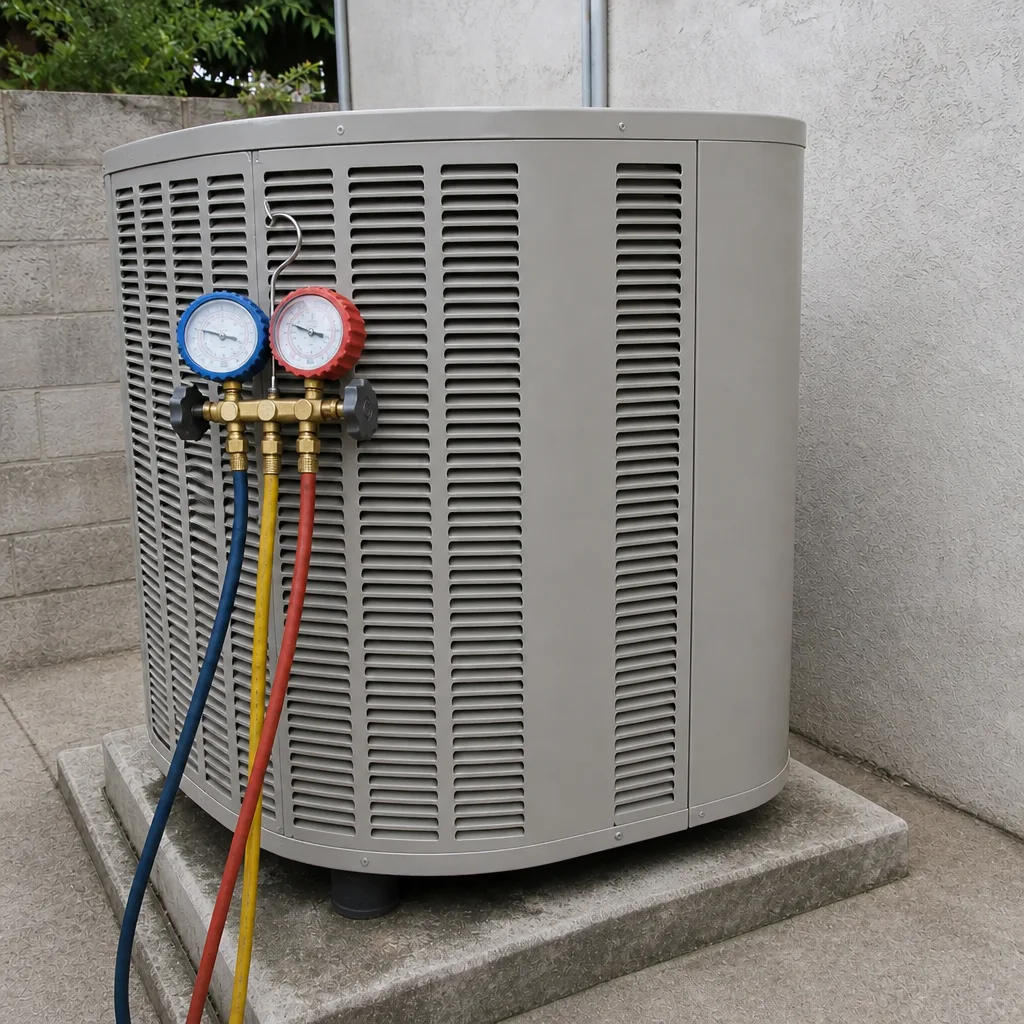 After
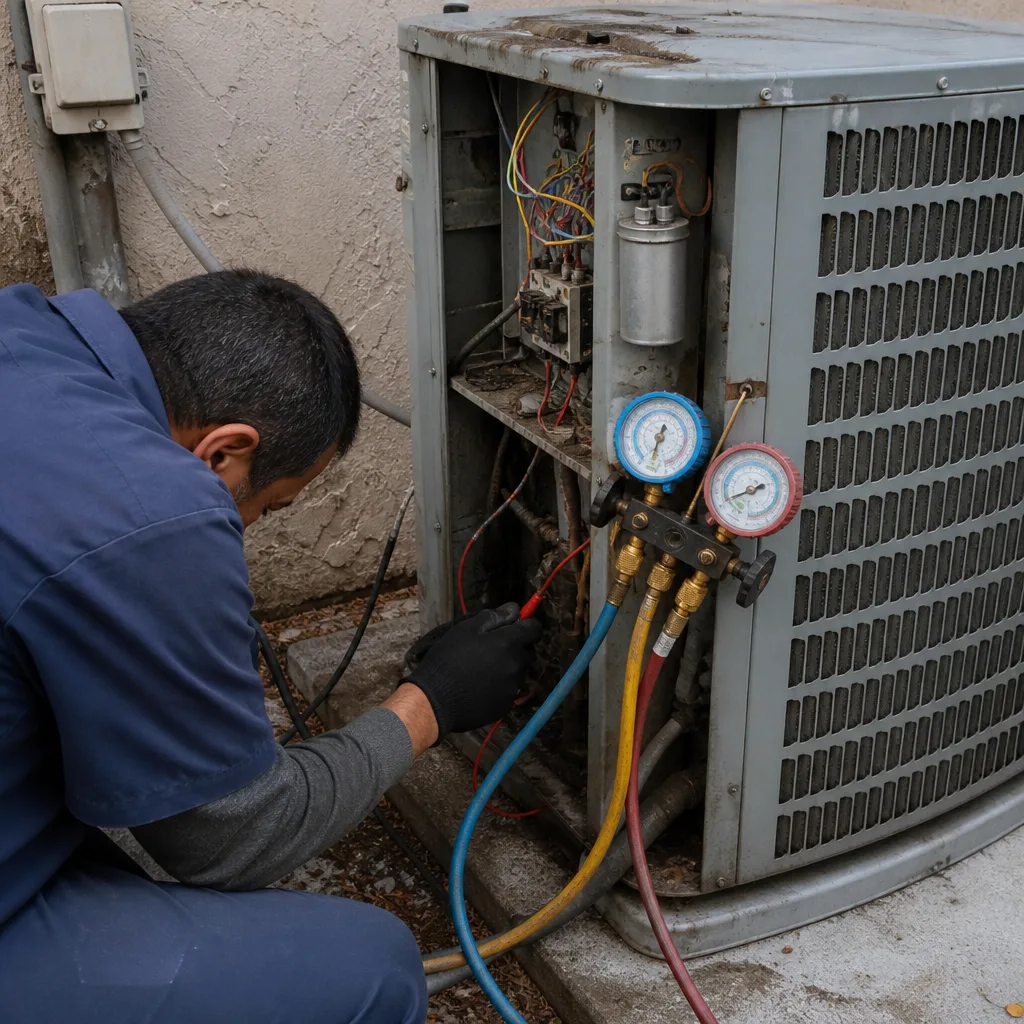 Before
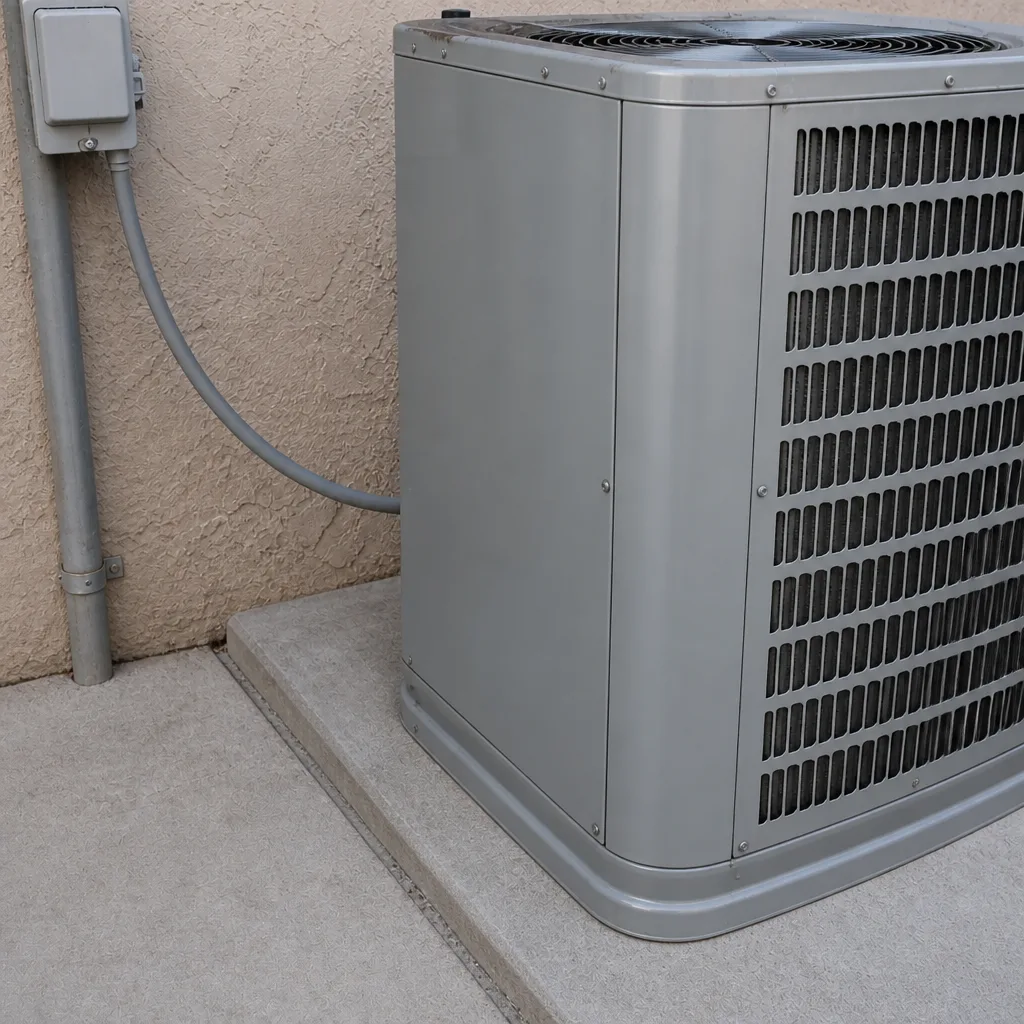 After
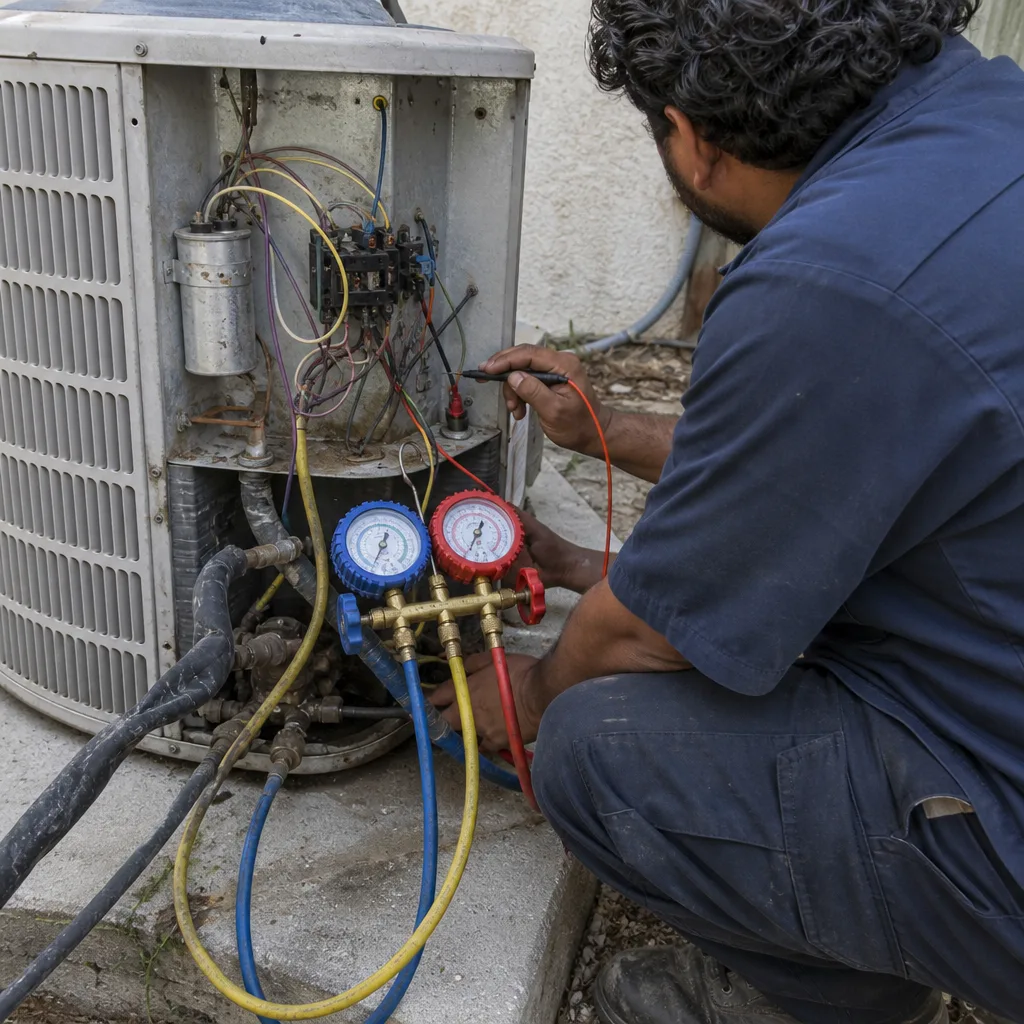 Before
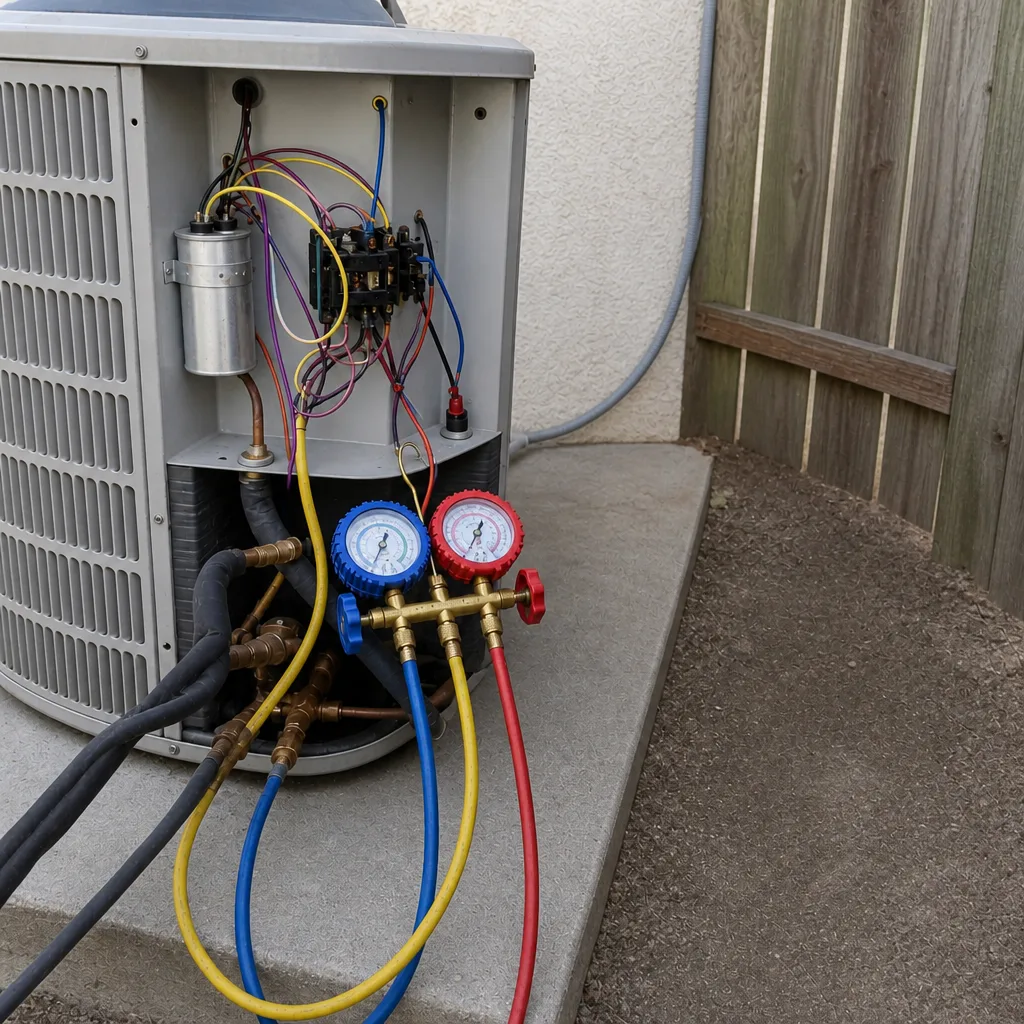 After
When to Call a Professional
Call a professional when the system won’t turn on after a single breaker reset, when the breaker trips again, when you see ice on the refrigerant line, when the outdoor fan isn’t running, or when the system runs but doesn’t cool. Call immediately if the home has elderly residents or young children and the forecast is calling for extreme heat. Call if you’ve replaced the filter and the thermostat and the system still won’t cool. Call if you smell burning, hear grinding, or see water pooling near the indoor unit.
For anything on that list, don’t wait it out. AC Repair Inglewood offers free estimates in Inglewood – call (866) 942-9087. We answer 24/7. Fast dispatch from 7am to 7pm, Sunday through Friday, and our technicians have up to 10 years of experience diagnosing systems from every major brand.
Frequently Asked Questions
Emergency repair pricing in Inglewood is set per job by a written estimate, so the honest answer is that it depends on what’s actually wrong. A capacitor or contactor replacement is a very different job from a compressor or blower motor replacement. The estimate is free, and the written price you receive is the price you pay, with no overtime or after-hours surcharge. Call (866) 942-9087 for an exact quote – estimates are free.
Same-day slots are common for Inglewood heat-event calls, especially when the home has vulnerable residents, but availability depends on the day and demand. We dispatch from 7am to 7pm, Sunday through Friday. When you call with your system’s brand, age, and symptoms ready, we can triage fast and give you the earliest available slot. Call (866) 942-9087 to check availability today.
The clearest early warnings are short-cycling (the system turns on and off more often than normal), weak airflow even with a clean filter, a breaker that trips occasionally, and a system that runs constantly but doesn’t hit the set temperature. Any of those means a component is likely wearing. Catching it before summer is a repair; catching it during a heat wave is a crisis. Call (866) 942-9087 to schedule a diagnostic visit.
78°F is a reasonable target for comfort and efficiency during a heat wave, and higher if the household can tolerate it. What matters more than the exact number is that the system isn’t fighting a losing battle: with a properly serviced unit, clean filter, and active window shading, most Inglewood homes can hold low-to-mid 70s indoors even on a 100-degree day. If you can’t maintain that, the system is the problem, not the setting.
Repair is the right call when the failure is a single component (capacitor, contactor, blower motor) and the equipment is under 12 years old. Replacement is worth considering when the compressor has failed, the system is 12 to 15 years or older, or the same problem keeps recurring. We’ll tell you what the equipment needs and what the honest math looks like, not what costs more. Call (866) 942-9087 for a free estimate on either path.
Rebate programs change, and eligibility depends on what you buy and when you buy it, so the answer is worth checking at the time you’re ready to replace. What we handle is the paperwork. If you’re replacing a failed system, our AC installation service will coordinate with any rebate or incentive program the equipment qualifies for and give you a written estimate up front. Call (866) 942-9087 to talk through your options.
The Bottom Line
An HVAC emergency in Inglewood is preventable nine times out of ten. The checklist is not complicated: clean filter, clear condenser, calibrated thermostat, clear drain line, and one service appointment before summer. Do those things and you’ve moved most of the emergency risk off the table. If a failure happens anyway, don’t panic – reset the breaker once, check the filter, look for ice, and then call with your system’s brand, age, symptoms, and any vulnerable residents already in mind. We answer 24/7, dispatch fast from 7am to 7pm Sunday through Friday, and our technicians have up to 10 years of experience on the brands already in Inglewood homes. Call (866) 942-9087 for a free estimate before the next heat wave.
Written by the team at AC Repair Inglewood.