
Last updated November 16, 2026
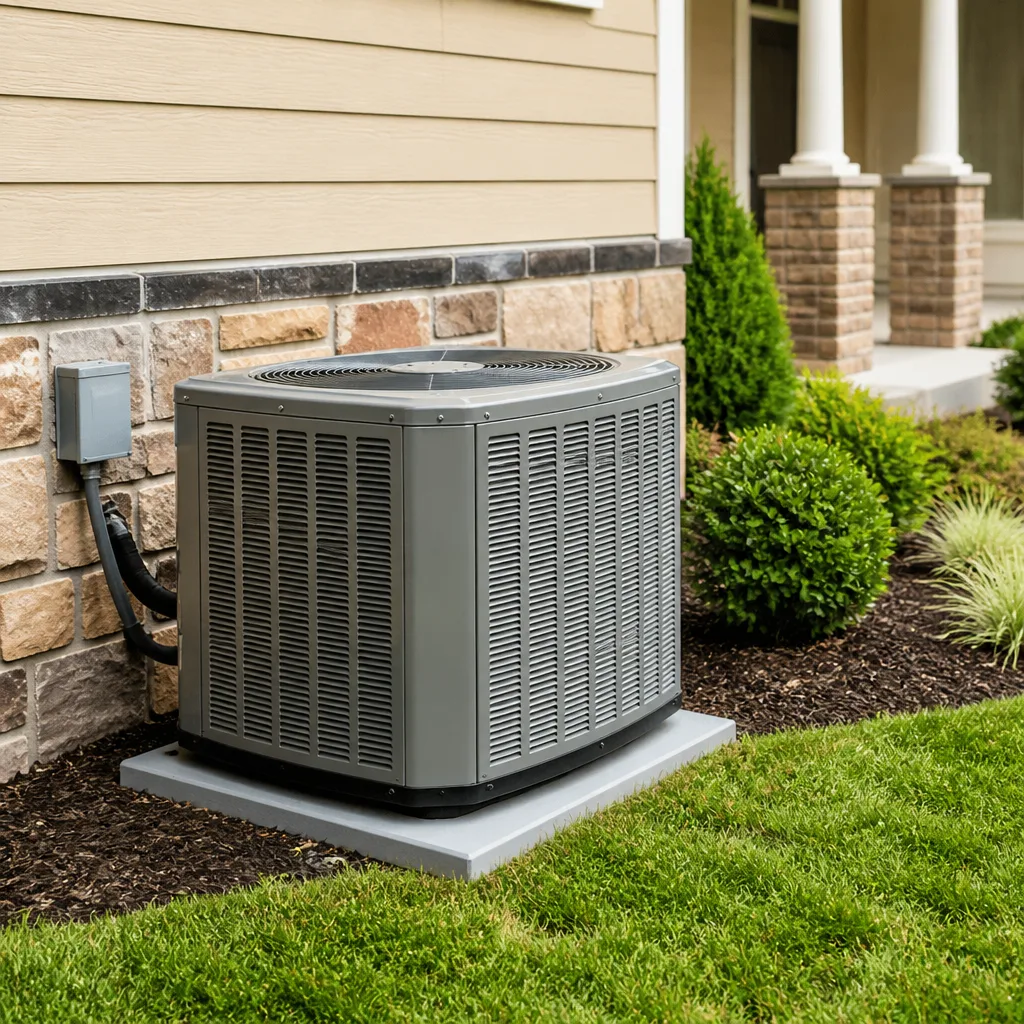 AC repair
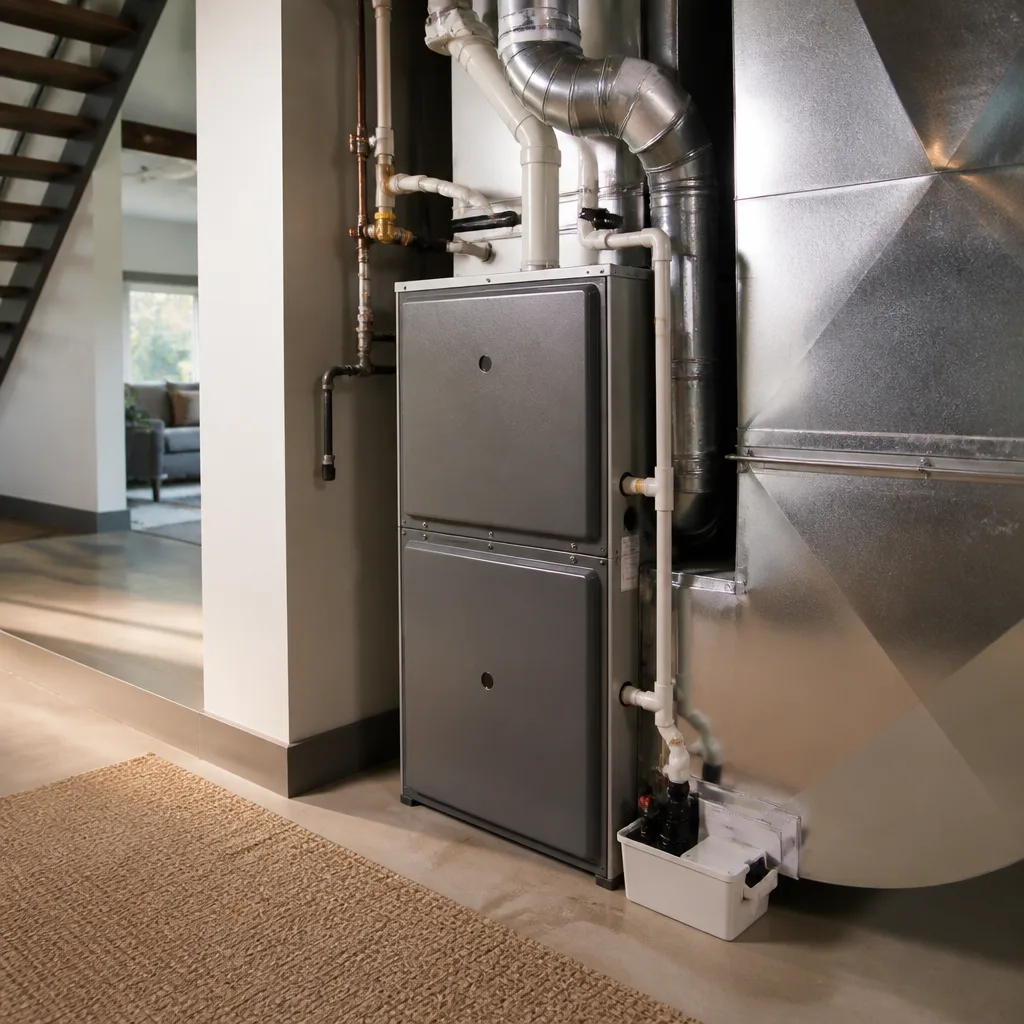 Furnace & heating
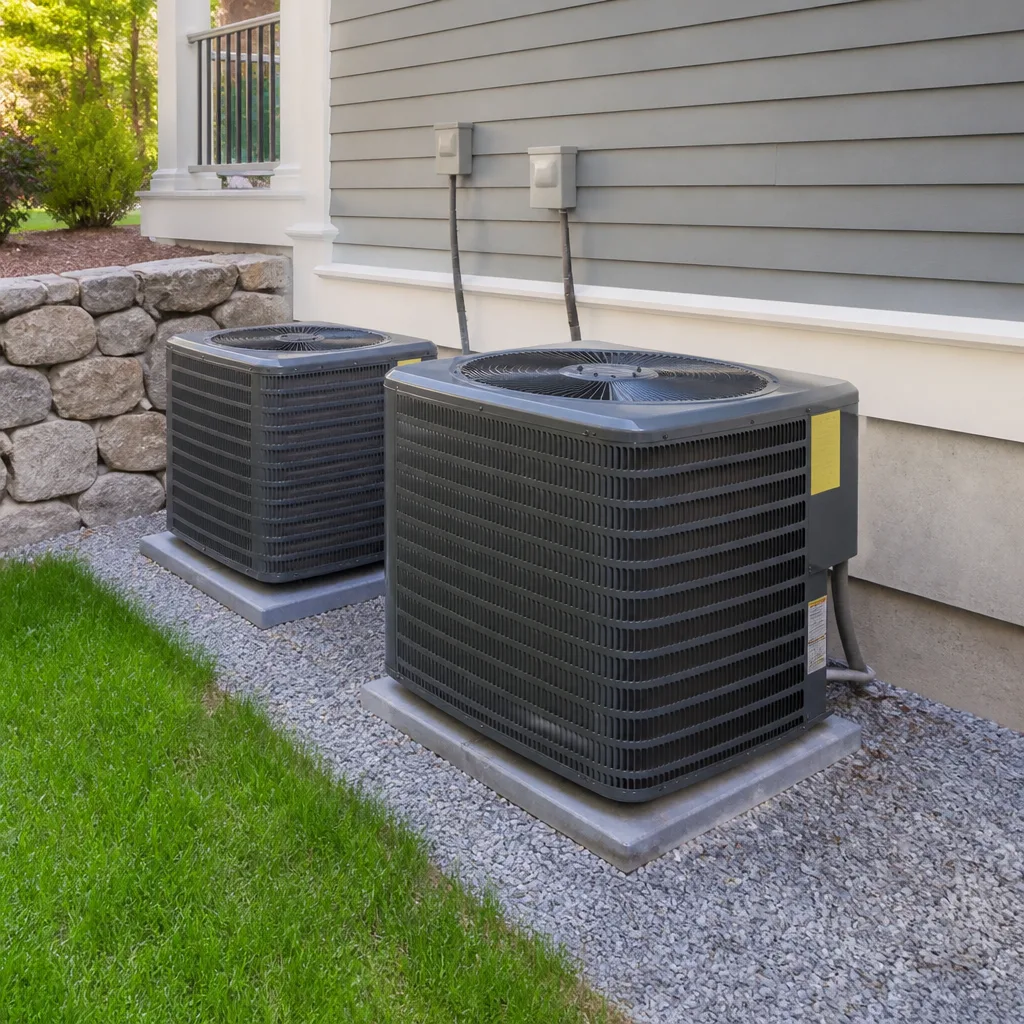 Heat pumps
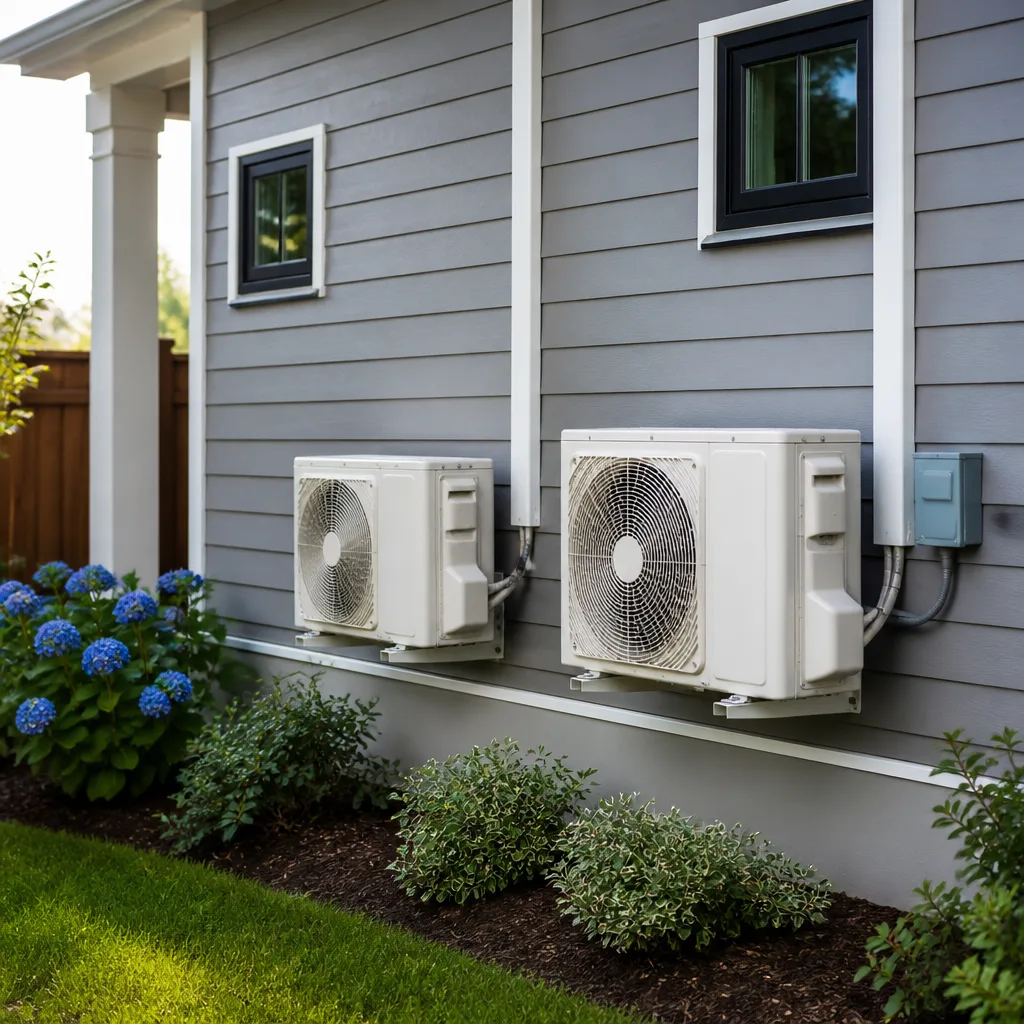 Ductless mini splits
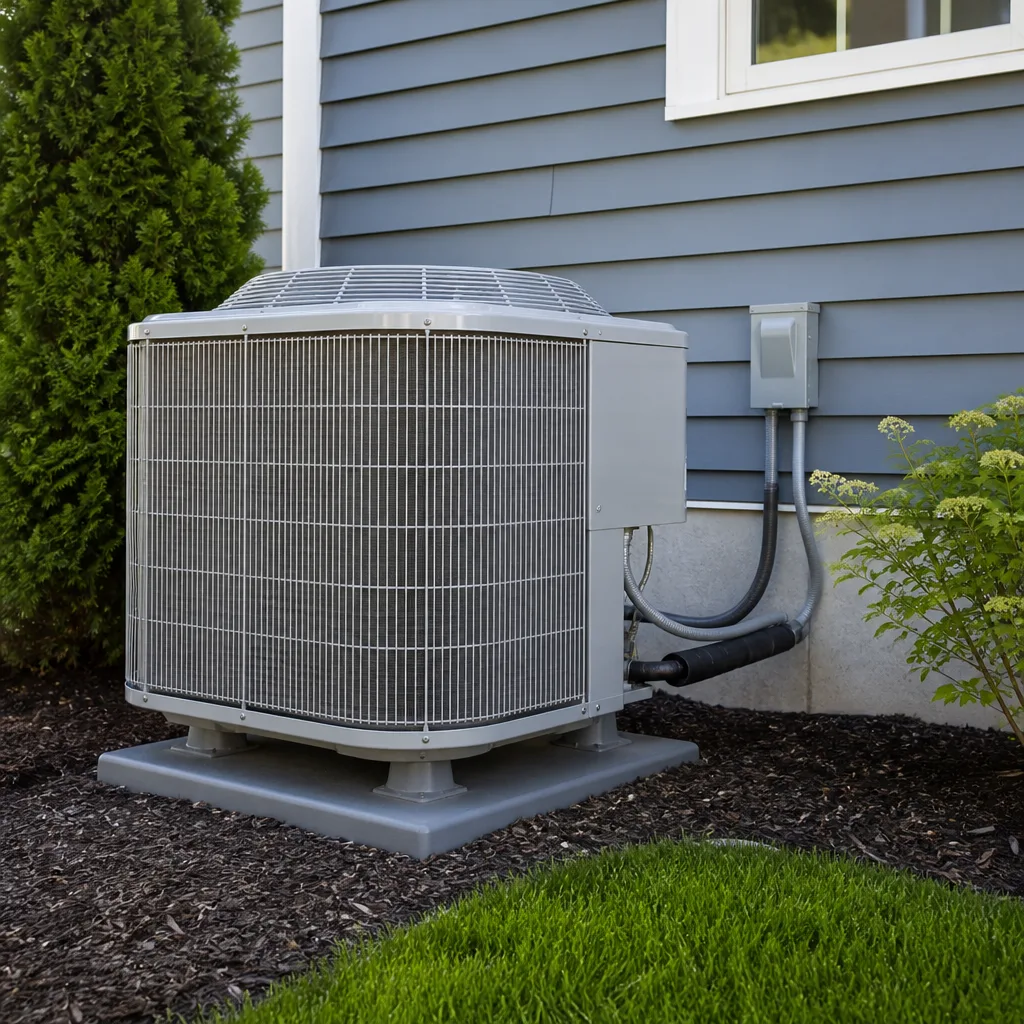 Carrier
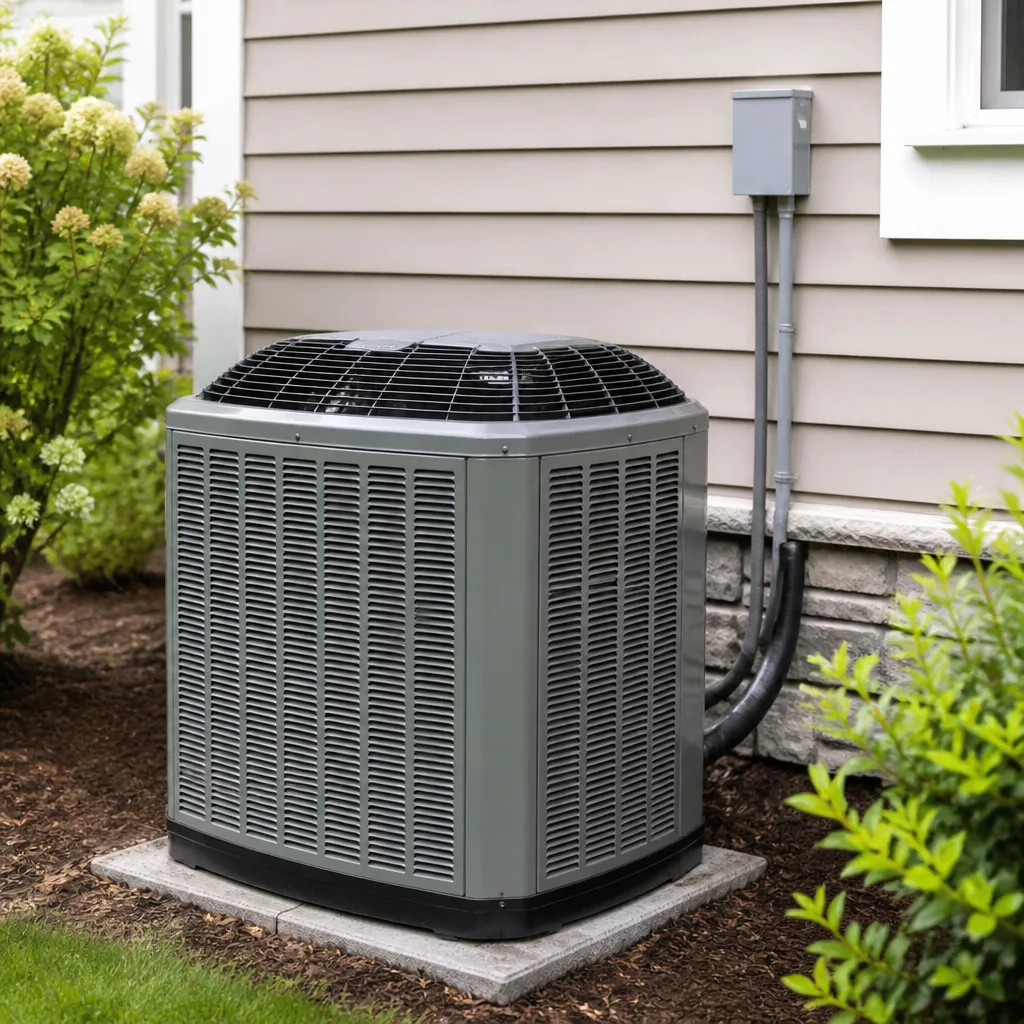 Trane
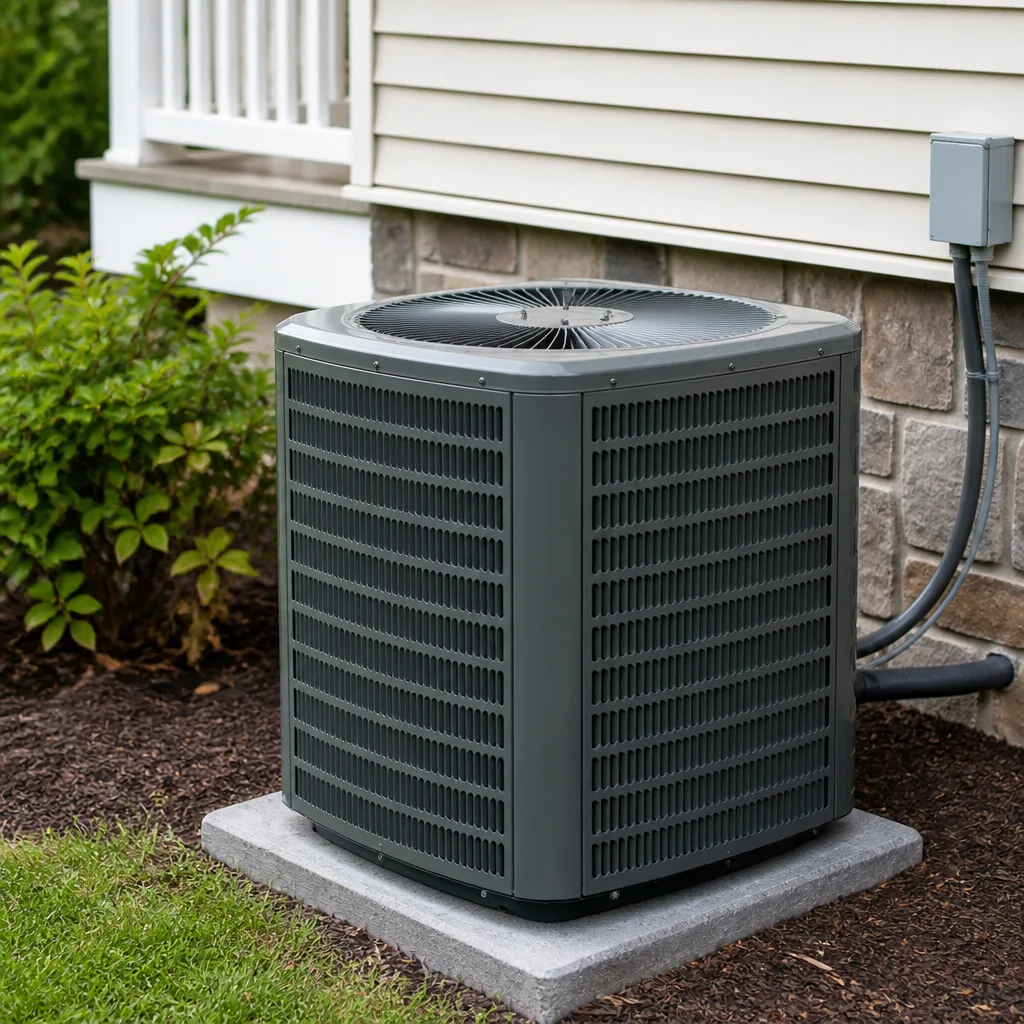 Goodman
Seasonal tune-up and full diagnostic on your Carrier, Trane, or Goodman system - readings shown to you before any repair is proposed
Diagnosis first, numbers second - you approve the repair price before a single part goes in.
Get your free estimateThe Complete AC Installation Guide for Inglewood Homeowners
Most AC installation guides you’ll find online were written for Phoenix or Atlanta, where summers are brutal, dry and predictable. Inglewood doesn’t work that way. This city sits in a coastal climate zone where the marine layer rolls in most mornings, housing stock leans heavily on construction from the 1950s through the 1970s, and the local utility rate structure makes efficiency choices matter differently than they do forty miles inland. Buy a system sized and specced for inland Southern California and you’ll get a unit that short-cycles, drives up your bill, and wears out years before it should. This guide walks through every variable that actually applies to an Inglewood address – climate zone, panel capacity, permits, duct condition and condenser placement – so you buy the right system the first time. We’ll tell you what it needs, not what costs more.
Quick Answer
AC installation in Inglewood means matching a new system to Climate Zone 8, verifying your electrical panel can carry the load on a pre-1980 home, pulling a permit through the City of Inglewood Building and Safety Division, and inspecting ducts before equipment goes in. Most Inglewood installations require a load calculation, a panel check, and a written fixed price before any equipment is ordered. The system that performs best here is usually a properly sized mid-efficiency unit, not the highest-SEER model on the showroom floor.
Styles & brands we work with
- AC repair
- Furnace & heating
- Heat pumps
- Ductless mini splits
- Carrier
- Trane
- Goodman
Table of Contents
- Why Inglewood’s Climate Zone 8 Changes What You Should Buy
- SEER Ratings and Why 16 SEER Often Beats 20 SEER Here
- The Electrical Panel Reality Check
- City of Inglewood Permits: What Gets Inspected
- Duct Compatibility and Older Home Construction
- Condenser Placement Near LAX and the Marine Layer
- How Load Calculation and Sizing Actually Work
- What the Installation Process Looks Like, Step by Step
Why Inglewood’s Climate Zone 8 Changes What You Should Buy
Inglewood sits in California Climate Zone 8, the coastal region that runs from roughly Santa Monica through the South Bay. What defines this zone isn’t extreme heat – it’s the marine layer. Most summer mornings start overcast and cool, the sun breaks through midday, and by late afternoon the onshore flow pushes temperatures back down. Inland valleys hit 100°F+ on the same day Inglewood might top out at 80°F.
That temperature profile has three concrete effects on AC selection:
- Runtime matters more than peak capacity. A system here runs moderate loads for long stretches rather than short, brutal bursts. Equipment that modulates well and holds efficiency at partial load performs better than a unit built for redline operation.
- Oversizing is the most common mistake. A contractor who sizes by square footage alone will install a unit that cools the house in six minutes, shuts off, then restarts. That short-cycling wears the compressor, spikes humidity and shortens equipment life.
- Cooling-degree-day totals are modest. The energy savings from an ultra-high-efficiency system are smaller here than in hotter zones, which changes the payback math.
Inglewood’s housing stock amplifies all three. Many homes here were built in the post-war boom, with minimal wall insulation, single-pane windows and duct systems tucked into unconditioned attics or crawl spaces. Equipment sizing has to account for how the house actually behaves – leaky envelopes and solar gain through older glazing – not what a manufacturer’s generic sizing chart assumes.
The marine layer also affects how the house feels. Morning humidity in Inglewood regularly runs high, so latent capacity – the ability to remove moisture, not just cool air – matters more than a dry-climate guide will ever tell you. A properly sized system that runs longer cycles pulls more moisture out of the air. An oversized one leaves the house feeling clammy even when the thermostat reads 72°F.
SEER Ratings and Why 16 SEER Often Beats 20 SEER Here
The instinct when buying a new AC is to go for the highest efficiency rating you can afford. In Inglewood, that instinct usually costs more than it saves. A 16 SEER system, properly sized and installed, often delivers better real-world performance than a 20 SEER unit in this climate.
Here’s why. SEER ratings are tested under specific laboratory conditions. A 20 SEER system is engineered to squeeze maximum efficiency out of a specific operating envelope – typically high outdoor temperatures and long runtimes. In a Zone 8 climate where the system runs moderate loads against a humid marine layer, that envelope is rarely reached. The high-efficiency unit spends most of its life at partial load, where the efficiency advantage narrows.
Meanwhile, a 16 SEER system:
- Costs less up front, which shortens the payback period on an investment with modest energy savings in this climate
- Uses simpler controls and fewer proprietary components, which means easier service and less expensive repairs down the road
- Pairs more easily with existing duct systems, which many Inglewood homes still use
- Performs well at partial load, which is most of the operating year here
The brand matters less than the sizing and the installation quality. We service equipment from Rheem, York, Daikin, Bryant and five other major brands, and we’ve seen well-installed 14 SEER systems outperform badly installed premium equipment in every climate. If you want a specific brand because it’s what’s already in your home, that’s a legitimate reason to pick it – we work on your brand. But don’t let a SEER number decide the purchase. The load calculation and the install quality decide how the system actually performs.
If you need your existing system diagnosed before deciding whether to replace, our team handles AC repair Inglewood calls on all nine major brands. If a repair no longer makes financial sense, that’s the point where replacement planning starts.
The Electrical Panel Reality Check
Here’s the variable that trips up more Inglewood installations than any other: the electrical panel. A lot of homes in this city were built before 1980, and many of them still carry the original service panel. Modern central AC equipment draws more current than the systems those panels were sized for – and in some cases, more than the panel can safely deliver.
Before any equipment is ordered, the panel has to be checked. This isn’t a formality. A panel that can’t carry the load is a genuine safety concern: warm breakers, nuisance trips, and in worst cases, overheated wiring. Nobody should install a new condenser on a service that can’t feed it.
Three common scenarios show up in Inglewood homes:
- The panel has enough capacity. Some homes have already been upgraded, or they have spare slots and adequate amperage. The AC goes in without electrical work.
- The panel has capacity but not the right breaker. A dedicated circuit needs to be added or an existing one repurposed. The electrical scope is modest.
- The panel needs upgrading. Older service panels, especially those with limited amperage or known-stressed components, may need a full service upgrade before a modern AC can be installed. This is a licensed electrician’s scope, and it has to be done right.
An honest installation estimate always includes a panel inspection, and we say so plainly: if the panel is the constraint, you’ll hear it before any equipment is ordered, not after. A contractor who quotes an AC installation without looking at the panel is either guessing or planning to find out later – often at your expense.
If you’re also evaluating the heating side of the system while you’re at it, our furnace repair service covers the same homes, so one visit can address both.
City of Inglewood Permits: What Gets Inspected
AC installation in Inglewood requires a permit through the City of Inglewood Building and Safety Division. This isn’t optional, and it isn’t a formality that some contractors skip. A permitted installation protects you at resale, at insurance time, and if there’s ever a problem with the work.
What actually gets inspected during a typical AC installation:
- Equipment placement and clearances. The condenser needs proper spacing from walls, fences and other equipment. Inspectors check the clearances against code and manufacturer specs.
- Electrical connections and disconnects. The dedicated circuit, disconnect and overcurrent protection have to meet code and match the equipment nameplate ratings.
- Refrigerant line routing and protection. Lines have to be properly supported, insulated and protected from physical damage.
- Condensate drainage. The drain path has to flow correctly – not to a spot where water pools, and not to a route that can clog and overflow.
- Duct connections at the air handler. The inspector wants to see sealed, properly supported connections – not duct tape improvisations.
- Equipment identification and documentation. Nameplate data and installation documentation are reviewed against the permit.
The most common reasons an AC installation fails inspection in Inglewood aren’t exotic. They’re basic: inadequate clearances, unpermitted electrical work, condensate drains that don’t slope properly, and equipment installed to a different spec than what was permitted. Every one of those is avoidable with a contractor who plans the installation properly.
Ask any installer two questions before you sign: will you pull the permit, and will you show me the inspection card? If either answer is vague, that’s your answer.
Duct Compatibility and Older Home Construction
The equipment you buy is only as good as the duct system it feeds into. In Inglewood, that’s a serious variable. A lot of homes here still have their original ductwork from the 1950s through the 1970s, and not all of it is in shape to handle a new system.
The first issue is sizing. Ducts that were sized for a smaller or older system may be undersized for a modern one. Undersized ducts choke airflow, raise static pressure, and cause the system to run hot and inefficiently. You can install flawless equipment and still get poor performance if the duct system can’t move the air.
The second issue is leakage. Older duct systems in this city’s housing stock often leak at the seams and connections – sometimes significantly. A leaky duct system can lose a meaningful share of the air you’re paying to cool into attics and crawl spaces. Before any installation, airflow and leakage should be measured.
The third issue is materials. Homes built in the 1950s through the 1970s may have duct insulation or duct board from an era when asbestos-containing materials were common. This is not a reason to panic – but it is a reason to inspect before you cut into anything. If a duct system needs to be modified or replaced, and the existing materials are from that era, a proper inspection should happen first. A licensed contractor should identify the concern and handle it correctly, which may involve professional testing or remediation. This is a real concern in older Inglewood homes, not a scare tactic.
If the ducts are undersized, leaking or in disrepair, a good installer will say so before equipment goes in. That’s how an installation gets done right the first time.
Condenser Placement Near LAX and the Marine Layer
The condenser is the outdoor half of a split system, and its placement matters more in Inglewood than in most cities. Two factors drive that: the marine layer and proximity to LAX.
The marine layer means the condenser spends a lot of its life operating with cooler, humid outdoor air. That’s not a bad thing for efficiency, but it changes how the coil ages. Condenser coils here tend to accumulate moisture and airborne debris in a way that dry-climate coils don’t. Regular cleaning extends coil life, and placement that gets good airflow helps.
Proximity to LAX matters for air quality. The airport, and the surrounding commercial and residential density, put fine particulates into the air that settle on condenser coils. Coils that stay dirty lose efficiency and run hotter. Placement matters:
- Give the condenser breathing room. Minimum clearances to walls, fences and shrubs matter. A coil packed against a fence runs hotter and ages faster.
- Avoid enclosed spaces. Condensers need adequate airflow. Tucked between two walls or under a low overhang, the unit recirculates its own hot discharge air.
- Consider prevailing wind. In Inglewood, the onshore flow runs from the west and southwest. Position the condenser so it isn’t fighting its own discharge air, and so it can be accessed easily for cleaning.
- Plan for service access. A condenser that’s easy to reach gets cleaned. One that requires moving landscaping doesn’t.
These are decisions made at the quote stage, not after the equipment arrives. If you’re getting multiple quotes, look at where each one plans to put the condenser.
How Load Calculation and Sizing Actually Work
Sizing is where the installation either gets done right or gets done by guesswork. A proper load calculation – often called a Manual J calculation in the trade – takes into account the house’s actual characteristics: square footage, ceiling height, wall and window insulation values, window orientation and glazing, air infiltration rate, and the local climate data for the address.
What a proper load calculation does not do:
- Divide square footage by 500 or 600 and call it a tonnage
- Copy the size of whatever unit was there before, whether it was right or not
- Assume a larger unit will cool better (it won’t; it’ll cool faster and then cycle uncomfortably)
For Inglewood homes in particular, the calculation has to account for older single-pane windows, minimal wall insulation and attic duct runs. A house that a general sizing chart would assign a 3-ton system might legitimately need a 2-ton – or a 3.5-ton – once the actual building envelope is modeled.
The sizing conversation connects directly to the SEER question above. An oversized high-SEER system in this climate can underperform a properly sized mid-efficiency one, because the oversized system never settles into a good runtime pattern. Sizing and selection are one decision, not two.
Ask any contractor whether they run a load calculation and whether you can see the result. A good installer is glad to show it.
What the Installation Process Looks Like, Step by Step
Here’s the general sequence for a central AC installation in Inglewood, from first call to first cool evening.
- In-home assessment. The house is walked through: existing equipment, duct condition, panel capacity, condenser location options, insulation and window conditions. The current system’s problems and limitations are recorded.
- Load calculation and system recommendation. A load calculation is run, and the right size and efficiency tier are recommended. You get a written fixed price, not a verbal ballpark.
- Permit filing. The installation permit is pulled through the City of Inglewood Building and Safety Division. This step takes time, so it’s planned into the schedule.
- Panel and electrical verification. If the panel needs work or the circuit needs upgrading, that’s handled before equipment arrives. A licensed electrician handles anything in the panel.
- Duct inspection and preparation. Airflow, leakage, insulation condition and, in older homes, duct material age are checked. Necessary repairs or modifications happen before the new system goes in.
- Equipment installation. The condenser is set with proper clearances, refrigerant lines are routed and protected, the air handler is set, the condensate drain is routed and tested, electrical connections are made and sealed.
- Commissioning and testing. Refrigerant charge is verified, airflow is measured, the system is test-run through cooling cycles, and the thermostat controls are confirmed.
- Inspection and documentation. The municipal inspection is passed and documented, warranties are registered, and all paperwork is handed over.
Most installations take a full day once the equipment is on site. The bigger variable is how long the front-end steps take – panel work, duct repair, permit turnaround. A contractor who pushes the timeline on those steps is usually cutting corners on them.
We service equipment from all the major brands – Rheem, York, Daikin, Bryant and the rest – so the recommendation is driven by your home and budget, not by what a single manufacturer is pushing. Our technicians have up to 10 years of experience, and the sizing conversation is where that experience earns its keep.
Common Mistakes to Avoid
- Buying by square footage alone. A contractor who sizes your new system by dividing your home’s square footage is guessing. Every Inglewood home has different window, insulation and envelope characteristics that change the answer.
- Skipping the panel check. Many Inglewood homes built before 1980 still have their original panels, and some cannot safely carry a new AC. A quote that doesn’t include a panel inspection is a quote built on unknowns.
- Going for the highest SEER automatically. In Climate Zone 8, the extra cost of the highest-efficiency tier rarely pays back as quickly as it would in a hotter zone. A properly sized 16 SEER system often performs better overall.
- Assuming the ducts are fine. Original 1950s-1970s ducts in Inglewood homes are often undersized, leaking or made of materials that need inspection before modification. A new system on aging ducts delivers new-system problems.
- Picking condenser placement casually. Condensers crammed against fences or under overhangs wind up fighting their own discharge air. Marine-layer humidity and LAX-area particulates make placement, accessibility and coil cleaning more important, not less.
- Skipping the permit. Unpermitted installs can cause problems at resale and at insurance time. Ask for the permit and the inspection record every time.
- Comparing quotes on price alone. Two quotes that differ by $1,000 often differ in what’s included: panel work, duct repairs, permit fees, load calculation, commissioning. Make sure you’re comparing the same scope.
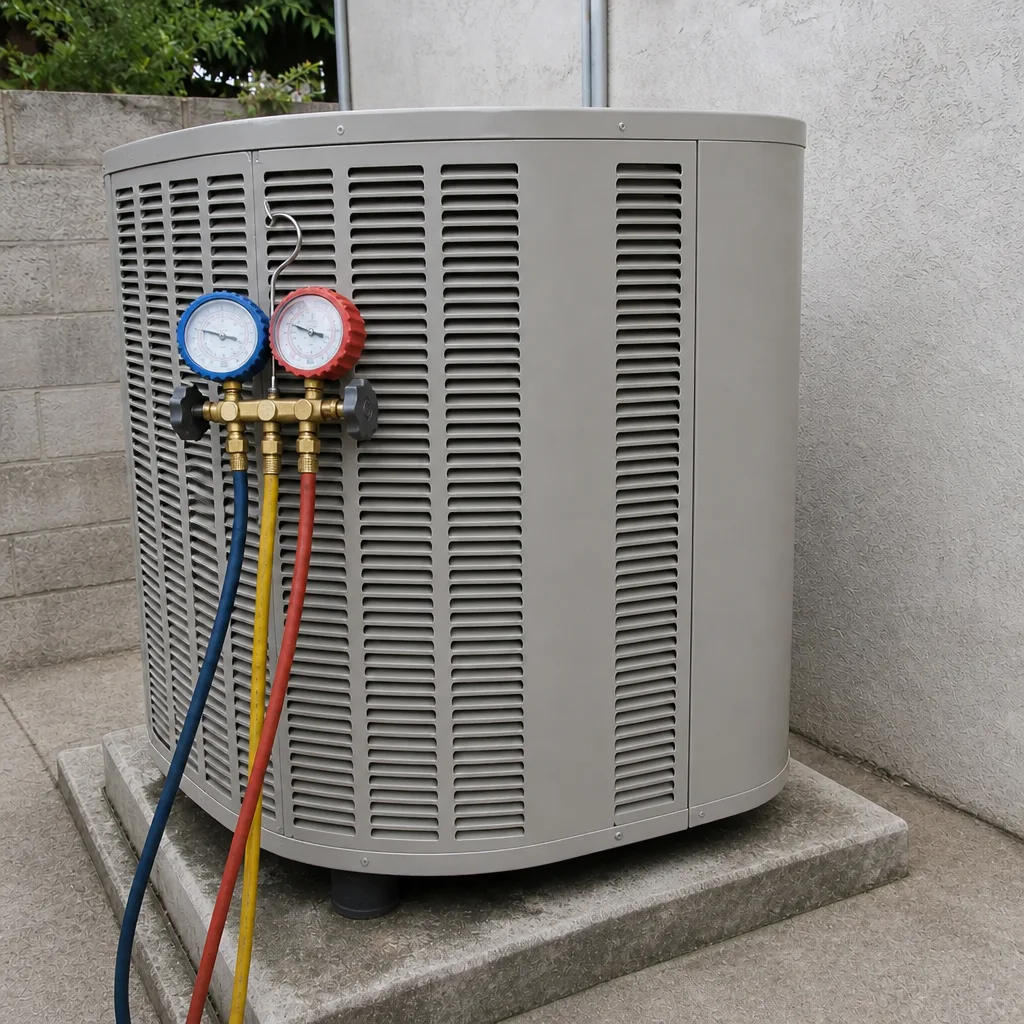
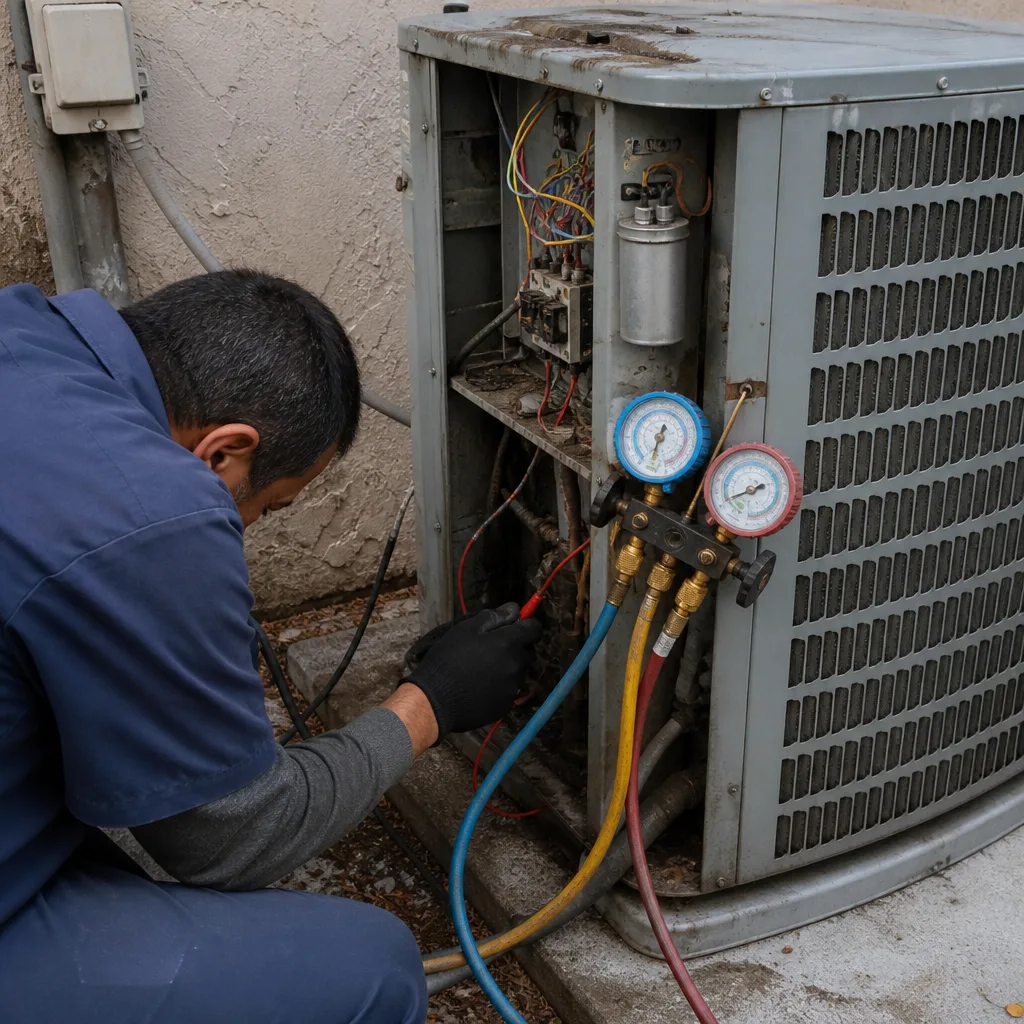
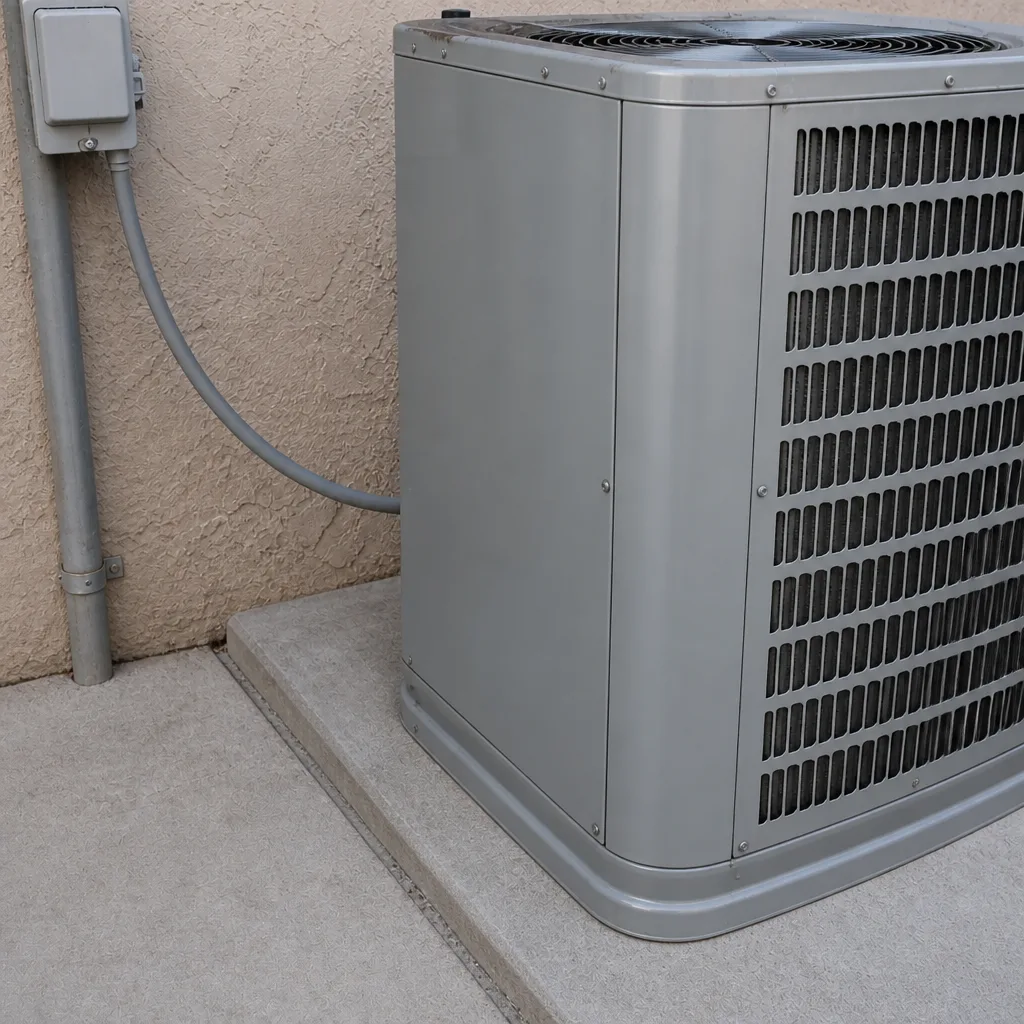
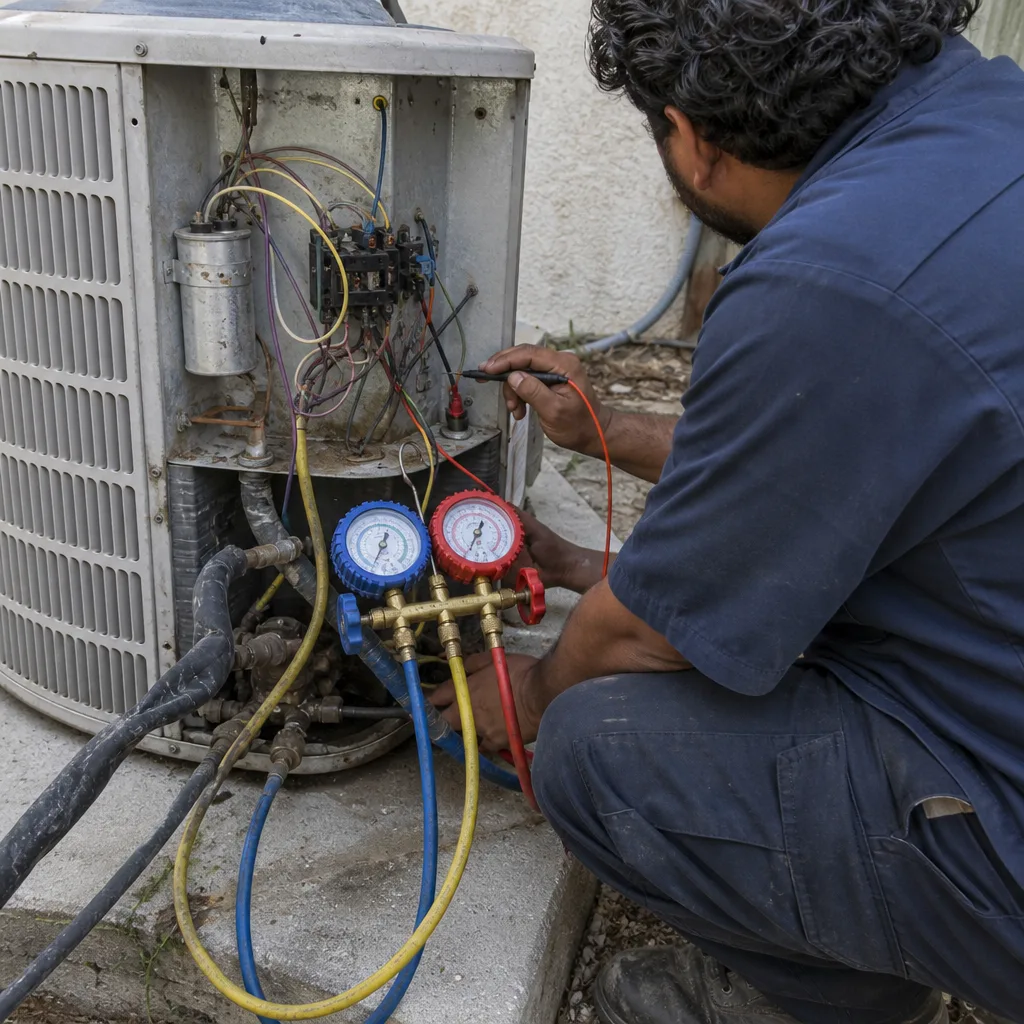
See the difference
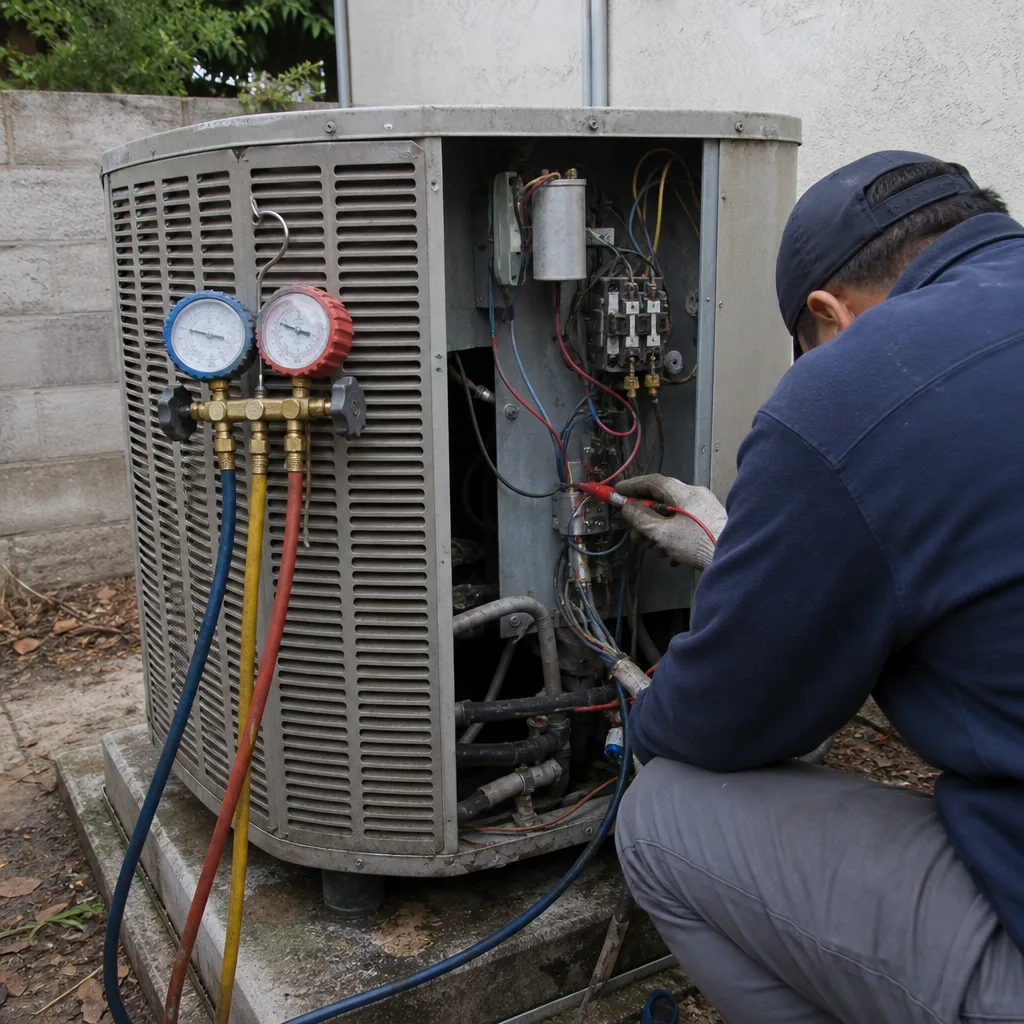 Before
 After
 Before
 After
 Before
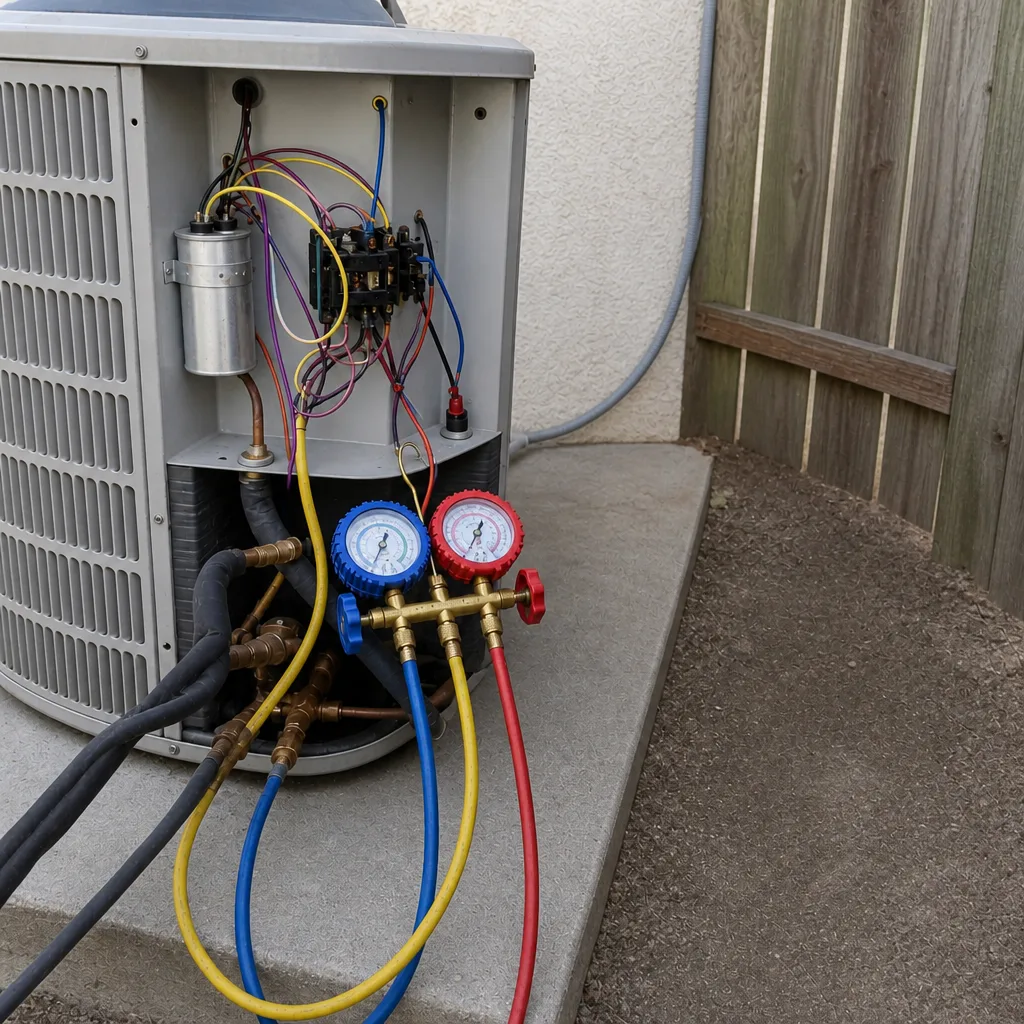 After
When to Call a Professional
Call a professional if your existing system is more than 12 to 15 years old and you’re getting quotes on a replacement, if your house has never had central AC and you’re planning a new installation, if you’ve noticed short cycling, warm rooms or a refrigerant smell, or if a contractor quoted a replacement without seeing your panel or running a load calculation. Any of those situations deserves a proper diagnosis and a written fixed price from a licensed contractor. Electrical work in the panel, refrigerant handling and permit-inspected installation are not DIY projects – the safety risk is real, and the paperwork matters at resale.
AC Repair Inglewood offers free estimates in Inglewood – call (866) 942-9087. We service the nine major brands, we size to the house, and we tell you what it needs, not what costs more.
For a sense of the neighborhoods we work across in this city, our Inglewood page has more on the area and the housing stock.
Frequently Asked Questions
AC installation in Inglewood typically runs from roughly $4,000 to $12,000 for a full central system, depending on equipment tier, house size, duct condition and whether the electrical panel needs work. The final number is set by the written estimate after a load calculation and on-site inspection. Call (866) 942-9087 for a free estimate – estimates are free.
Yes. AC installation in Inglewood requires a permit through the City of Inglewood Building and Safety Division, and the installation will be inspected. Passed inspections are documented, and you should be given the inspection record as part of the installation paperwork. Call (866) 942-9087 to schedule your installation estimate.
Many Inglewood homes built before 1980 still have original service panels that were sized for the era’s electrical load, not for a modern central AC. The panel needs to be checked before any equipment is ordered. If the panel can’t safely carry the new load, upgrading it first is the right call. Call (866) 942-9087 for a panel assessment as part of your AC quote.
For most Inglewood homes in Climate Zone 8, a 16 SEER system is usually the best value, and a 20 SEER system rarely pays back its extra cost in this cooler coastal market. The right answer still depends on the load calculation. Call (866) 942-9087 for a free estimate with a sizing recommendation for your specific address.
Most central AC installations in Inglewood take one full day once the equipment is on site, plus the front-end time for permit filing, panel work and duct preparation. Equipment order lead times vary by brand and model. For a written fixed price and a scheduled install date, call (866) 942-9087.
Repair makes more sense when the system is under 12 years old, the problem is a component failure rather than a compressed compressor or failed coil, and the repair cost is a small fraction of replacement. Replacement makes more sense when the system is over 12 to 15 years old and the repairs are stacking up, or when the existing system was sized wrong for the house. Call (866) 942-9087 for honest repair-or-replace math, and we’ll tell you which way it points.
The Bottom Line
AC installation in Inglewood isn’t a generic swap. The right system for your house depends on Climate Zone 8 climate conditions, a load calculation that accounts for how older Inglewood homes actually perform, an electrical panel check, proper permit filing with the City of Inglewood Building and Safety Division, and ducts that can carry the airflow the new equipment needs. Condenser placement, SEER selection and coil maintenance all flow from those foundations. If your contractor quotes without a load calculation, a panel check or the permit, those are the questions to ask. Get it right the first time, and the system will run comfortably for years – not short-cycle into an early failure. For a free estimate, call (866) 942-9087. We answer 24/7, with fast dispatch from 7am to 7pm, Sunday through Friday. Our AC installation service handles the full project – sizing, permit, install and inspection.
Written by the team at AC Repair Inglewood.