
Last updated November 16, 2026
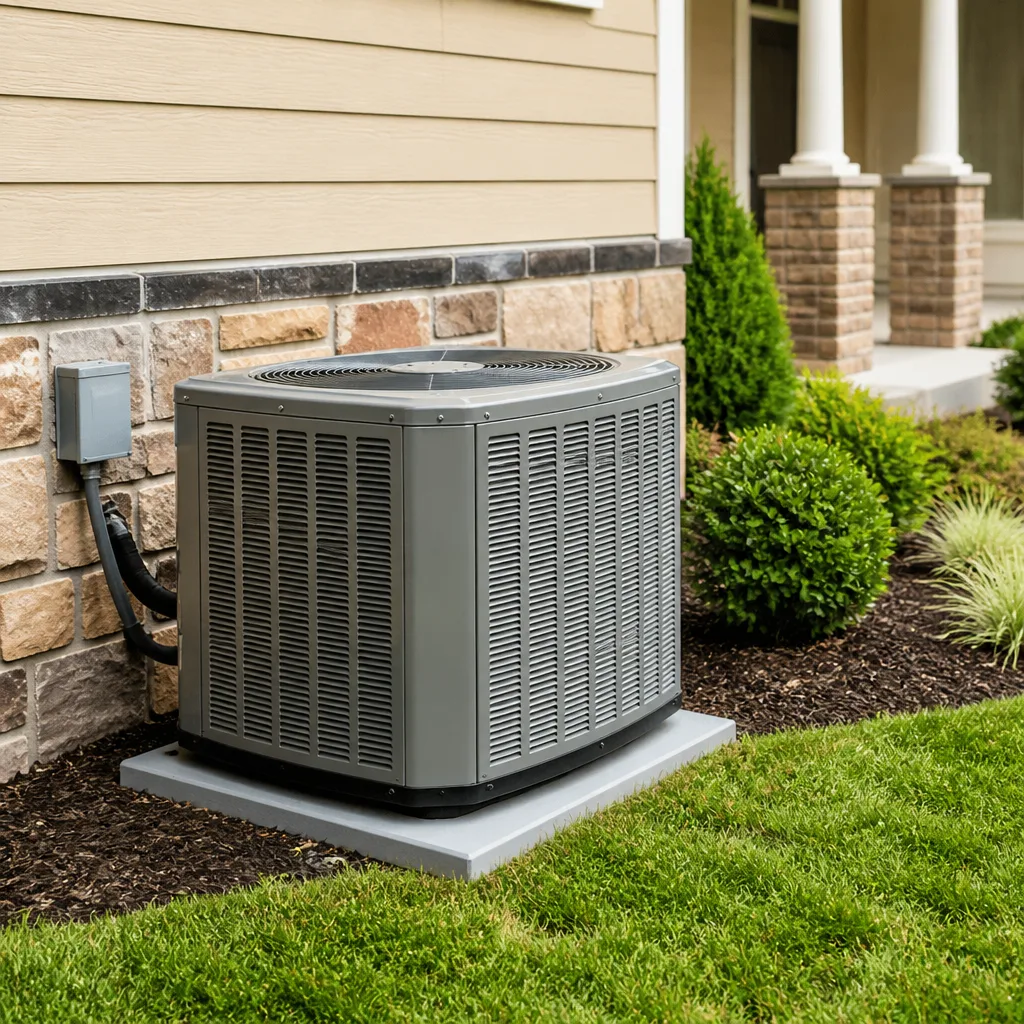 AC repair
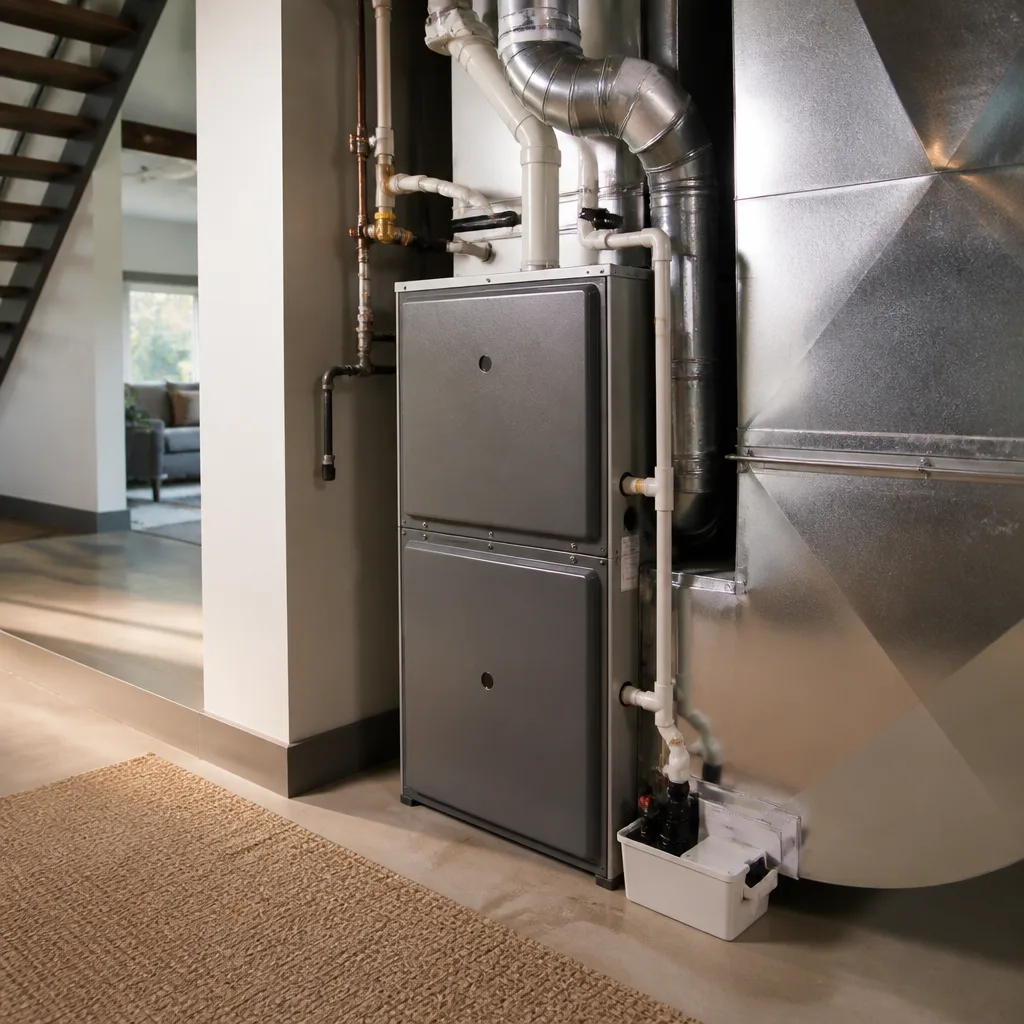 Furnace & heating
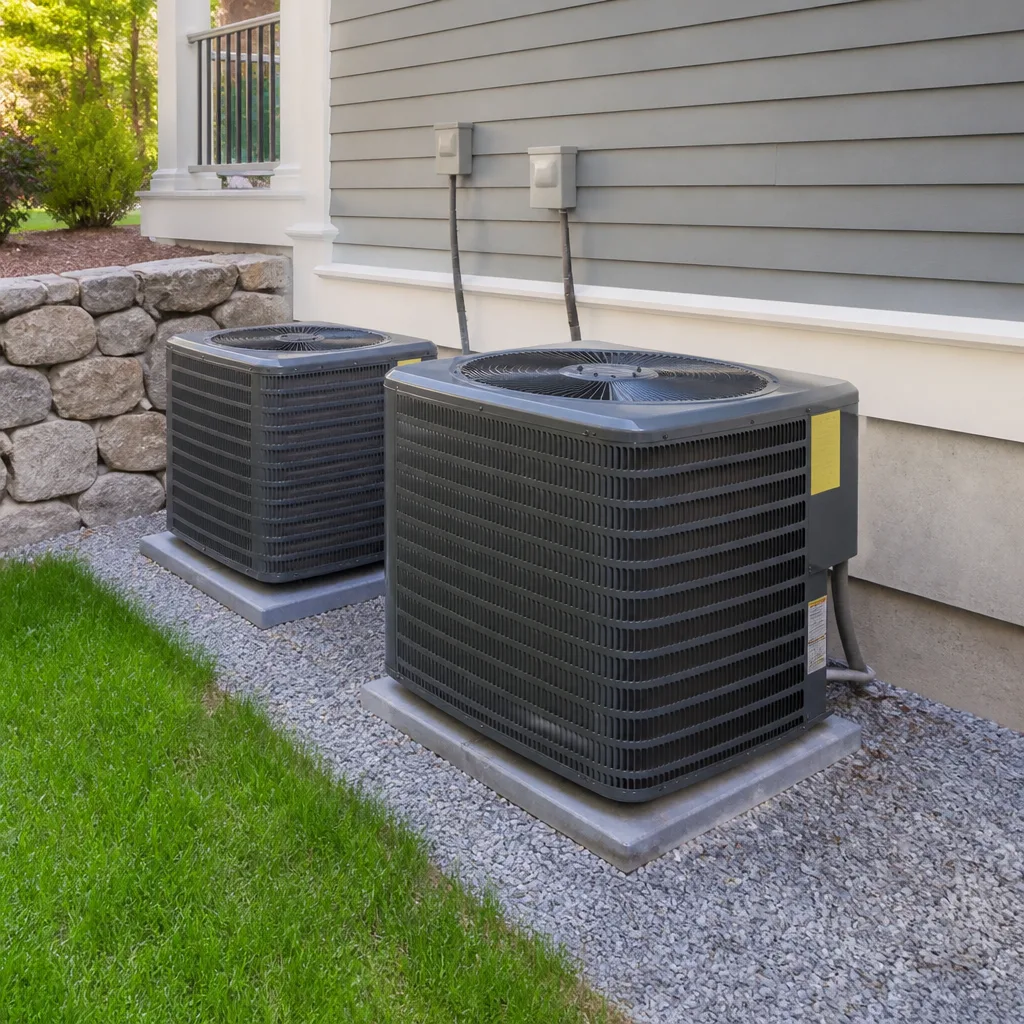 Heat pumps
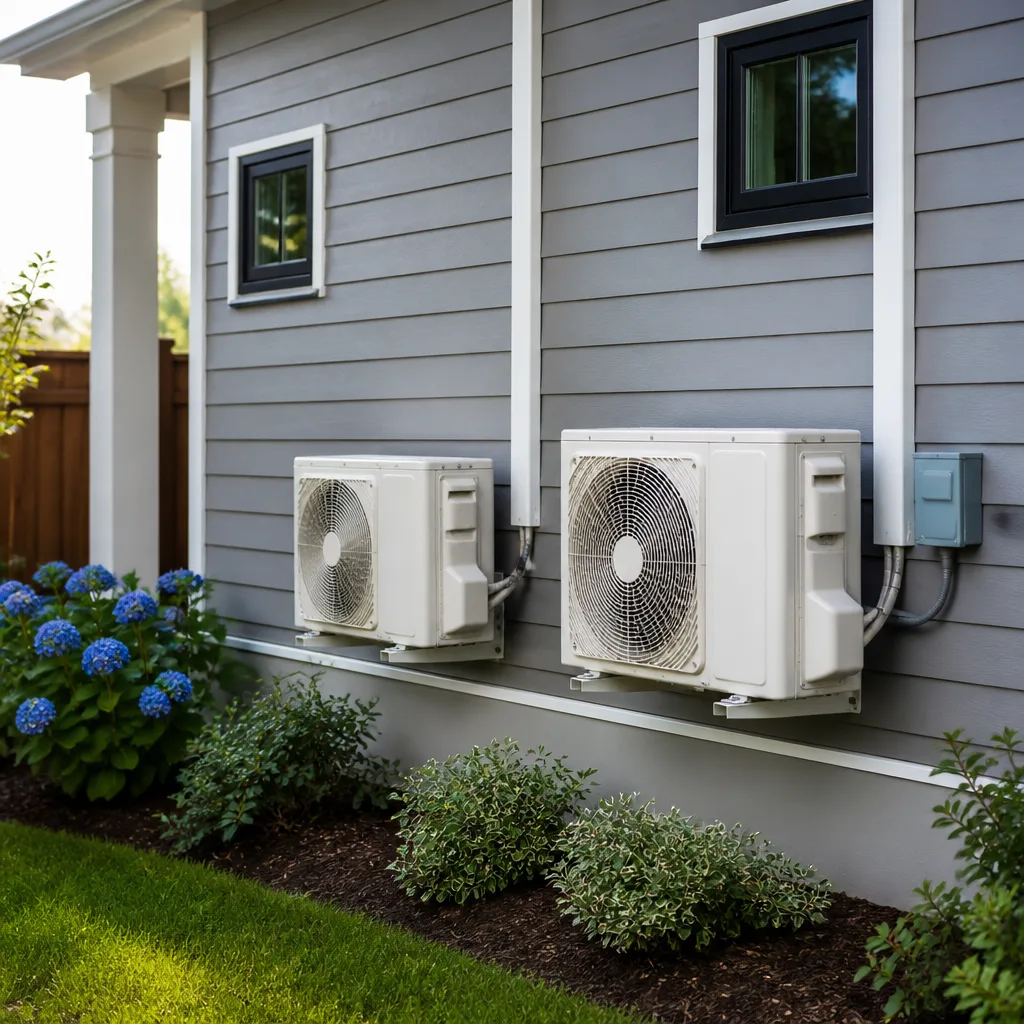 Ductless mini splits
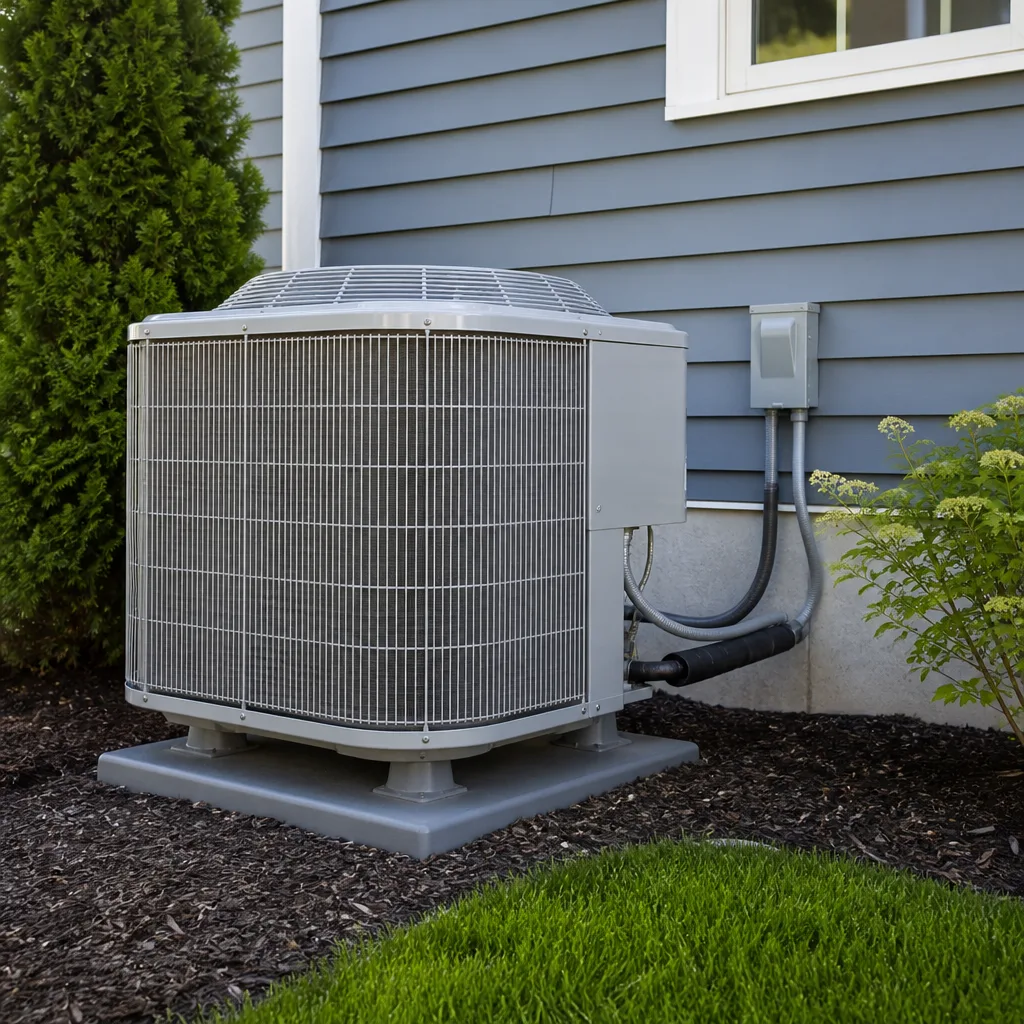 Carrier
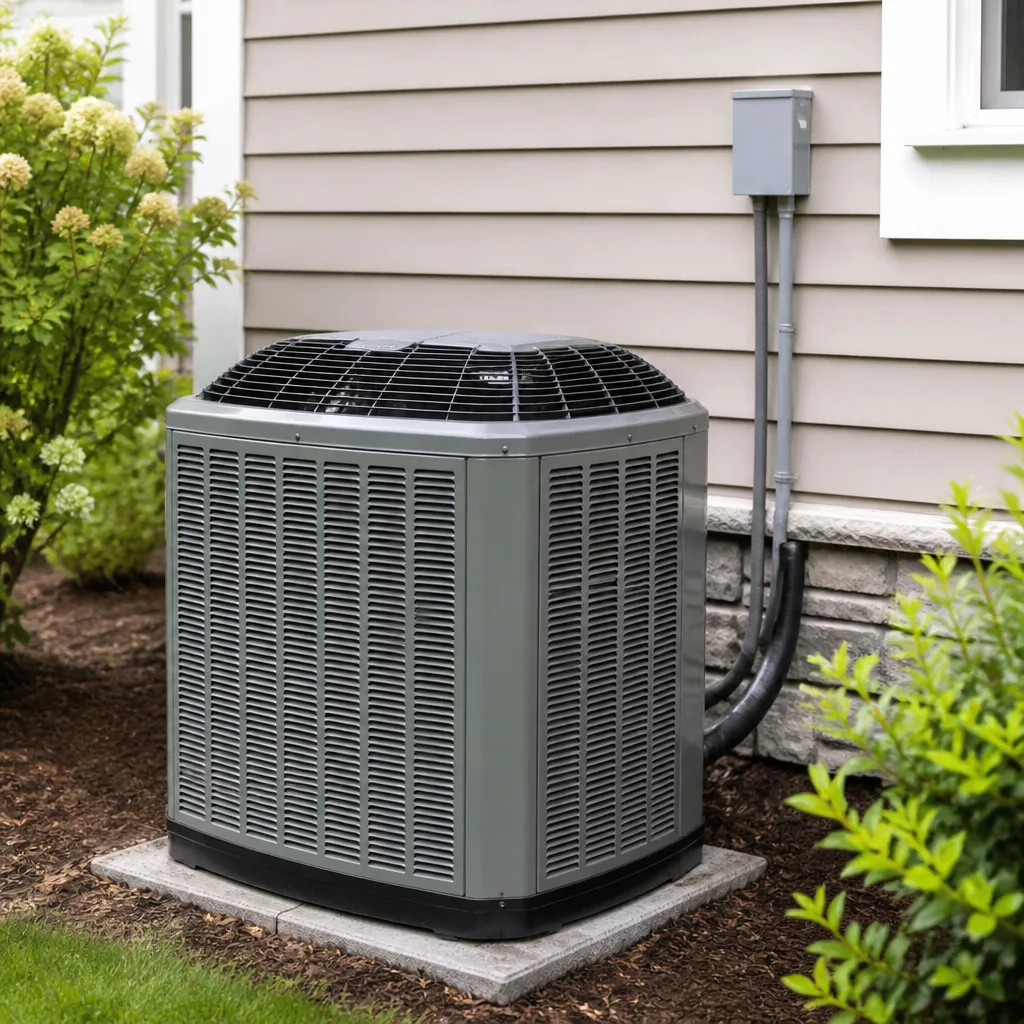 Trane
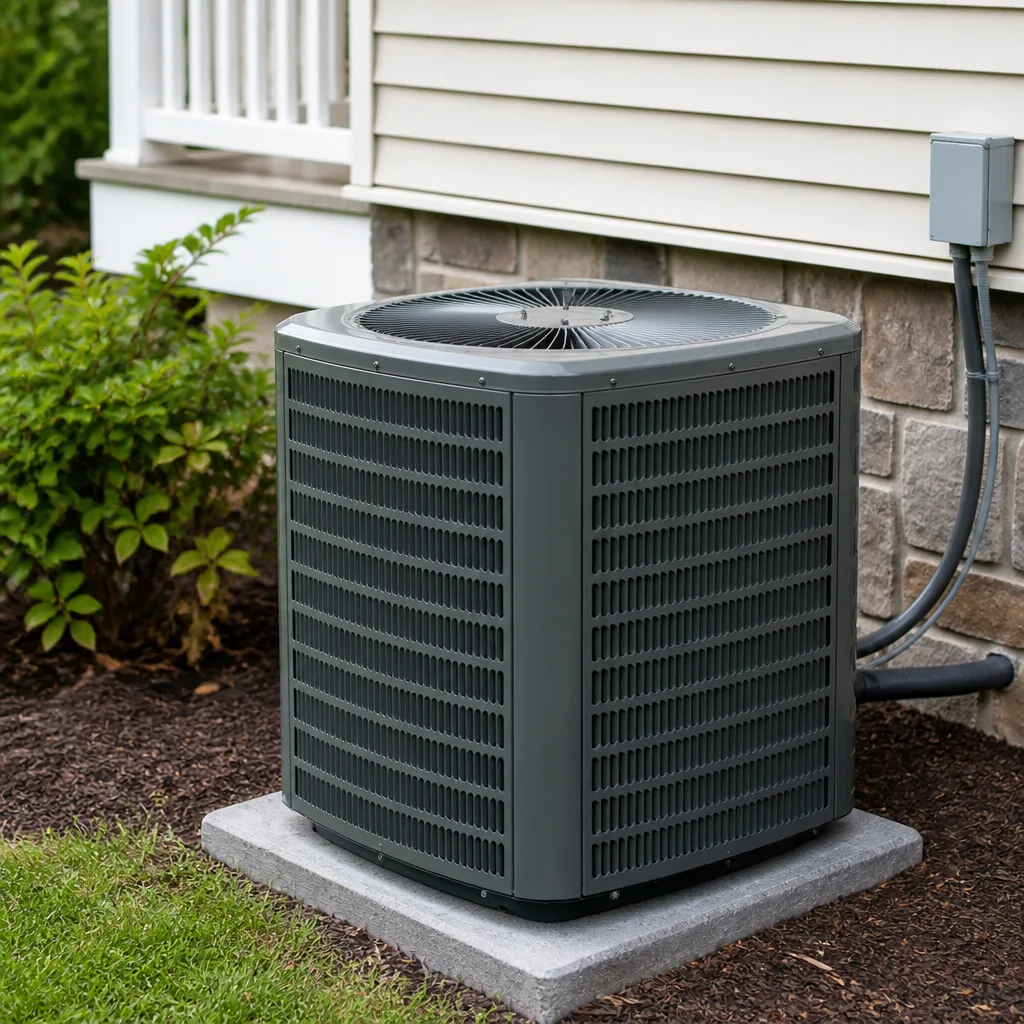 Goodman
Seasonal tune-up and full diagnostic on your Carrier, Trane, or Goodman system - readings shown to you before any repair is proposed
Diagnosis first, numbers second - you approve the repair price before a single part goes in.
Get your free estimateHVAC Permits, Codes & Inspections in Inglewood, CA: What You Need to Know
Most homeowners assume the permit on an HVAC job is paperwork between the contractor and the city. It isn’t. The permit is the legal record of what was installed in your house, and when you sell, that record gets read by the buyer’s inspector. A replace-and-move-on job that skipped the permit can become a slow, expensive problem at escrow, because the fix is retroactive: pull the permit late, open the wall or the ceiling to show the work, and pass an inspection on a system that’s already been running. This guide explains which HVAC jobs in Inglewood actually require a permit, how the city’s process works in practice, what California’s Title 24 energy rules mean for your equipment choice, and why a permit matters to both your manufacturer warranty and your insurance. No scare tactics, just the sequence most homeowners never see.
Quick Answer
In Inglewood, most HVAC work that changes, adds, or replaces a mechanical system requires a permit from the City of Inglewood Building & Safety Division under the California Mechanical Code and California Building Code, including new AC installs, full system replacements, new or substantially altered ductwork, and any change to a furnace or gas appliance. A strictly like-for-like swap of an outdoor condenser with no duct or electrical changes is the gray area: many jurisdictions treat it as permit-required, some don’t, and the safest move is to ask the city directly. The permit exists to trigger inspection, and the inspection is where Title 24 energy compliance and safe installation get verified.
Styles & brands we work with
- AC repair
- Furnace & heating
- Heat pumps
- Ductless mini splits
- Carrier
- Trane
- Goodman
Table of Contents
- Which HVAC jobs in Inglewood need a permit under the California Mechanical Code
- Like-for-like replacement vs. new ductwork: the cases that confuse homeowners
- How Inglewood’s Building & Safety permit portal works in practice
- Title 24 energy compliance and how it affects your AC equipment choice
- What the inspector actually looks at, and what gets flagged
- What a failed inspection means: correction notice vs. full re-inspection
- How permits interact with your manufacturer warranty and insurance
- What the permit process costs and who pays for it
Which HVAC jobs in Inglewood need a permit under the California Mechanical Code
The California Mechanical Code is the state’s adoption of the model mechanical code, and Inglewood enforces it through its own building department. The code’s core principle is straightforward: any work that alters a mechanical system’s capacity, routing, fuel connection, or electrical supply needs a permit and an inspection. That’s the line most homeowners don’t see clearly, because the job “feels” like a swap.
Below is the practical breakdown for a residential job in Inglewood, grouped by whether a permit is typically required:
- New AC or heat pump installation: permit required. A new system is a new installation and needs a final inspection.
- Full system replacement (condenser and air handler or furnace): permit required. The fuel and electrical connections are being remade and must be inspected.
- New or substantially modified ductwork: permit required. Duct changes affect system sizing and Title 24 compliance.
- Furnace replacement: permit required. Gas appliance work always triggers inspection.
- Adding a mini-split or a new zone: permit required. New equipment plus new refrigerant and electrical lines.
- Refrigerant line replacement that follows a full system change: permit is typically pulled as part of the system permit.
- Like-for-like condenser swap with no other changes: ask the city. Some jurisdictions require the permit; some treat it narrowly. Don’t assume.
For repairs that restore an existing system (a capacitor, a failed fan motor, a blocked drain line, a furnace board), a permit is generally not required because you’re not altering the system, you’re fixing it. That distinction matters: our AC Repair Inglewood work and full system installations sit on opposite sides of the permit line, and we price and scope them separately for exactly that reason.
Like-for-like replacement vs. new ductwork: the cases that confuse homeowners
The most common permit misunderstanding we encounter in Inglewood isn’t fraud or corner-cutting, it’s a genuinely fuzzy line. A homeowner replaces an old condenser with a new one of the same size because the old one died. No new ductwork. No new air handler. Same electrical. Does that need a permit?
The honest answer is: it depends on how the city reads the specific job, and the way to get a reliable answer is to call the Building & Safety Division and describe it. What makes this worth doing rather than shrugging off is what happens on the back end.
Two versions of the same job, side by side:
- Permitted replacement: the contractor pulls the permit, the installation is documented, the city inspects the connection and Title 24 compliance, and a final permit record exists. The manufacturer warranty is intact. The sale closes cleanly.
- Unpermitted replacement: the system runs and may look identical to the permitted one. The only difference shows up years later: a buyer’s inspector asks for the permit, there isn’t one, and the seller now has to pull the retroactive permit late, which can mean opening a wall to show the work, re-inspection, and a delay before closing.
The gray area matters most when the equipment being installed is a different capacity or efficiency tier than what it replaced. If the new unit is a higher-SEER system, that’s a Title 24 event and almost certainly needs the permit and inspection. If you’re upgrading a standard system to an inverter-driven Daikin or a high-efficiency American Standard, that change isn’t a swap even if it physically fits the same pad. This is one of the reasons we talk through equipment tiers before ordering anything, because the permit question and the equipment question are the same question.
A separate case: the homeowner who had new ductwork installed to fix comfort problems in a room that was always too hot. Duct changes are permit-required, and the inspection verifies the duct design meets duct tightness and insulation requirements under Title 24. If a contractor installs new duct runs without a permit and without the design, an inspector who later sees the duct layout during a sale inspection can flag it, and the fix is more expensive than the original permit would have been.
How Inglewood’s Building & Safety permit portal works in practice
Inglewood handles building permits through its Building & Safety Division, which operates a permit portal as the primary intake path for most residential mechanical permits. The mechanics are similar across California cities, though the portal’s specific menus and step sequence change over time, so we tell homeowners to expect a standard six-step flow and to confirm the exact current fields with the city.
What the process typically involves, from application to final inspection:
- Application submission: the contractor submits the permit application through the portal with the property address, job scope, and equipment specs (model numbers, capacity, efficiency rating).
- Plan review: the city reviews scope, equipment, and Title 24 documentation. Simple residential mechanical permits often go through quickly; larger projects or ones with duct design changes can take longer.
- Permit issuance: the permit is issued and fees are paid. The contractor can schedule work.
- Installation: the work is performed to the approved scope.
- Inspection scheduling: the contractor requests the inspection through the portal once the install is complete or at the phase that requires it.
- Inspection and final: the inspector visits, verifies the work, and signs off. The permit record closes.
Timelines vary with the city’s workload and the job scope, so we don’t quote them as firm. What we tell homeowners who schedule around an install is simpler and honest: the permit adds time to the front end of the job, not the back, and it’s time you can plan for. If a job is time-sensitive, raise it early rather than at the last minute. Our AC installation process bakes the permit step into the schedule from the start, so a surprise at inspection never lands two days before a heat wave.
The portal is also the way you look up permits that already exist on your house. Before you sell, it’s worth checking that every permit for HVAC work done on your property shows as final. If one is open-but-not-final, that’s the same escrow problem as a missing permit, and it can usually be resolved by booking the inspection.
Title 24 energy compliance and how it affects your AC equipment choice
California’s Title 24 energy code applies to new HVAC installations, and it’s the single biggest reason the permit isn’t just paperwork. Title 24 doesn’t just say “install an efficient unit”; it sets requirements for system sizing, duct sealing, refrigerant charge verification, and efficiency thresholds that the permit inspection is designed to catch.
The practical points for an Inglewood install:
- Sizing: the code requires documented sizing, which is why a proper install begins with a load calculation, not a guess based on the old unit. Oversized systems short-cycle, waste energy, and often fail to control humidity well.
- Duct requirements: ducts must meet sealing, insulation, and tightness standards. If your existing ducts fall short, a compliant install may include duct attention, and that changes both the scope and the permit.
- Refrigerant charge: verification that the system was charged correctly is a documented step, not a verbal hand-wave.
- Efficiency thresholds: the equipment must meet the efficiency minimums current at the time of installation. This is where brand-tier selection intersects with code: a value Goodman system, a mid-range Bryant, or a premium Trane all have to meet the same minimum, and the differences are in build and performance beyond the floor.
For homeowners, the takeaway is that Title 24 makes the equipment conversation more honest. A contractor who skips the load calculation and proposes “the same size as the old one” is sidestepping the code requirement, and the system may not pass inspection. A contractor who runs the calculation might tell you the old system was oversized all along, and propose a smaller, more properly matched unit; that’s a better outcome long-term, even if it’s not what was expected.
Most of the equipment we install is from brands our technicians work on every week, including Daikin, Bryant, and American Standard, and selecting among them comes down to your home’s load, your budget, and what fits your duct setup. We don’t steer you toward one manufacturer; we size the home properly and let the numbers drive the choice.
What the inspector actually looks at, and what gets flagged
The inspection is where the permit becomes visible work. It’s not primarily a code-knowledge test of the contractor; it’s a check on whether what’s installed matches what was permitted and meets the requirements. The things an inspector typically examines on a residential mechanical permit:
- Equipment identity: model and serial numbers, matched to the permit application and to the Title 24 documentation.
- Sizing and placement: the unit installed is the size approved, and the setbacks, clearances, and access are as required.
- Electrical: disconnect, wiring, and breaker match the equipment. An undersized wire or oversized breaker gets flagged immediately.
- Gas connections (furnace and gas appliances): the connector, shutoff, and venting are checked. This is the part with the highest safety stakes.
- Refrigerant lines: routing, insulation, and the line set condition.
- Ductwork: sealing, insulation, and tightness to Title 24, when duct changes are part of the job.
- Access and labeling: service access, equipment labels, and the required documentation present, including the Title 24 compliance forms.
As a contractor, what we see most often flagged is not something exotic. It’s the ordinary stuff that went wrong because nobody checked: a mislabeled breaker, a missing disconnect, a duct run that was never sealed at a joint, a system charged by ear instead of by gauges. Each of those is fixable, and the correction is usually straightforward. The expensive part is the re-inspection visit and the time it adds to the job, and that’s what we work hard to avoid by checking our own installs before the inspector does.
Our technicians have up to 10 years of experience, and a good chunk of that is spent on the front end of the job: getting the installation right the first time, so the inspection is a confirmation and not a negotiation. If your current system is failing and you’re trying to decide between fixing it and replacing it, our furnace repair work is a good example of the same principle: we diagnose honestly, then tell you what it needs, not what costs more.
What a failed inspection means: correction notice vs. full re-inspection
A failed inspection doesn’t usually mean the whole job comes out. Most of the time it produces a correction notice, a list of specific items the inspector wants fixed, and the job is re-inspected once those are addressed. There is a real difference, though, between a minor correction and a deficiency serious enough to trigger a full re-inspection, and knowing which is which helps you plan.
Typically a correction notice (fix and re-inspect the item):
- Missing or incorrect labeling on equipment or breaker
- Access panel blocked or clearance insufficient
- Duct joint not sealed
- Paperwork missing or incomplete (Title 24 documentation not on site)
- Minor electrical corrections (a disconnect that doesn’t meet the requirement)
Typically a full re-inspection (the inspector needs to see the whole system again):
- Installed equipment doesn’t match the permitted model or capacity
- Ductwork substantially different from the permitted design
- Gas venting or gas line configuration that raises a safety concern
- Electrical work that doesn’t meet code and requires a licensed correction and re-verification
- Any situation where the inspector can’t conclusively tell that the corrected system is safe
The timeline matters. A correction notice usually adds one re-inspection visit. A full re-inspection can add significantly more, especially if the correction requires parts, a new permit revision, or work by another trade. That’s why we don’t treat the inspection as the end of the job; we treat the pre-inspection walk-through as the real quality gate, so the city’s inspector shows up to confirm work that’s already right rather than find what isn’t.
How permits interact with your manufacturer warranty and insurance
This is the part almost nobody reads, and it’s where the unpermitted install gets genuinely expensive. Two separate contracts get affected by a missing permit: your equipment warranty and your homeowner’s insurance policy.
The manufacturer warranty. Most HVAC manufacturers condition their warranty on proper installation by a licensed contractor and, in codes that require it, a permit and inspection. The warranty language varies by brand, and it’s worth reading the specific document for your unit, but the pattern is consistent: a manufacturer can decline a claim where the installation was never permitted and inspected, because the manufacturer is being asked to pay for a defect in a job that was never verified. If the failure is a compressor or a heat exchanger years down the road, and the manufacturer’s claim reviewer asks for the permit record, an unpermitted install is the point where the conversation gets difficult. If you own a Carrier, Trane, or Lennox system and the warranty is intact, keeping the permit record current is part of what keeps it that way.
Homeowner’s insurance. Most policies cover the cost of a sudden system failure but exclude losses caused by code violations or unpermitted work. That exclusion is more relevant than it sounds: an HVAC failure rarely causes a fire or a water loss by itself, but the connected risks (electrical, gas, refrigerant) get assessed against the code at the time, and if the install wasn’t permitted, the insurer can question whether the loss was caused by a covered event or by a code issue. Reading the policy language on “unpermitted work” and “code upgrade” is the honest first step, because coverage depends on the specific policy.
What we tell homeowners who ask is straightforward: the permit process is the paper trail that keeps both contracts intact. It’s not a guarantee that every claim will be paid, but its absence is a documented weakness in a claim. On our Inglewood installs we keep the permit documentation with the job file, because we want the homeowner to have it if it’s ever needed.
What the permit process costs and who pays for it
Permit fees in Inglewood are set by the city’s fee schedule and depend on the scope of the job, the number of inspections required, and any plan review. We don’t quote a number here because the schedule changes and the fee is the city’s, not ours. What’s consistent is that the fee is a small part of the total install cost compared with the cost of a retroactive permit and re-inspection years later, and compared with a warranty claim that can’t be supported. We give you the permit cost as a line item on the written estimate, and it’s not a surprise.
The fee is one thing; the cost of not doing it is another. A retroactive permit usually requires the same inspection process as the original, sometimes more, and occasionally requires opening up finished surfaces to show the work. It’s slower and more disruptive than the permit would have been up front. The honest math on a permit is: the fee is small, the delay is small, and the downside of skipping it is neither.
Our estimates are free and itemized. Call (866) 942-9087 for an exact quote on your job and we’ll walk through the permit scope with you before anything is ordered or scheduled.
Common Mistakes to Avoid
- Skipping the permit because the job “looks like a swap.” Even a like-for-like condenser change may trigger a permit under the California Mechanical Code, and the way to know is to ask the city. Guessing wrong is the mistake that comes back at escrow.
- Letting the contractor handle the permit “off the books” to save time. An issued permit is a public record; a skipped permit leaves the work undocumented. The only reliable protection for a homeowner is the permit record, which is why we tell you not to accept a workaround.
- Not checking for open permits on the house before listing it. If you’re planning to sell your Inglewood home, pull the permit history early. An open-but-not-final permit is the same escrow problem as a missing one, and it’s easier to close it on your timeline than the buyer’s.
- Choosing equipment on price alone and ignoring Title 24. A high-SEER upgrade is a better system, but it also means more compliance documentation and a stricter inspection. That’s fine, as long as it’s planned in from the start rather than discovered at inspection.
- Not saving the permit documentation. Keep the permit number, the final inspection sign-off, and the Title 24 forms with the rest of your home records. If a warranty claim comes up years from now, that file is the difference between a smooth claim and a hard question.
- Scheduling the install before checking that your ducts meet code. A new system on undersized or leaky ducts will underperform, and if duct changes are required by Title 24, the scope and the permit get bigger. We check duct condition at the estimate stage so this doesn’t happen mid-install.
- Assuming the manufacturer warranty covers an unpermitted install. The warranty terms on your equipment are the controlling language. Read them, or ask us and we’ll point to the relevant clause.
See the difference
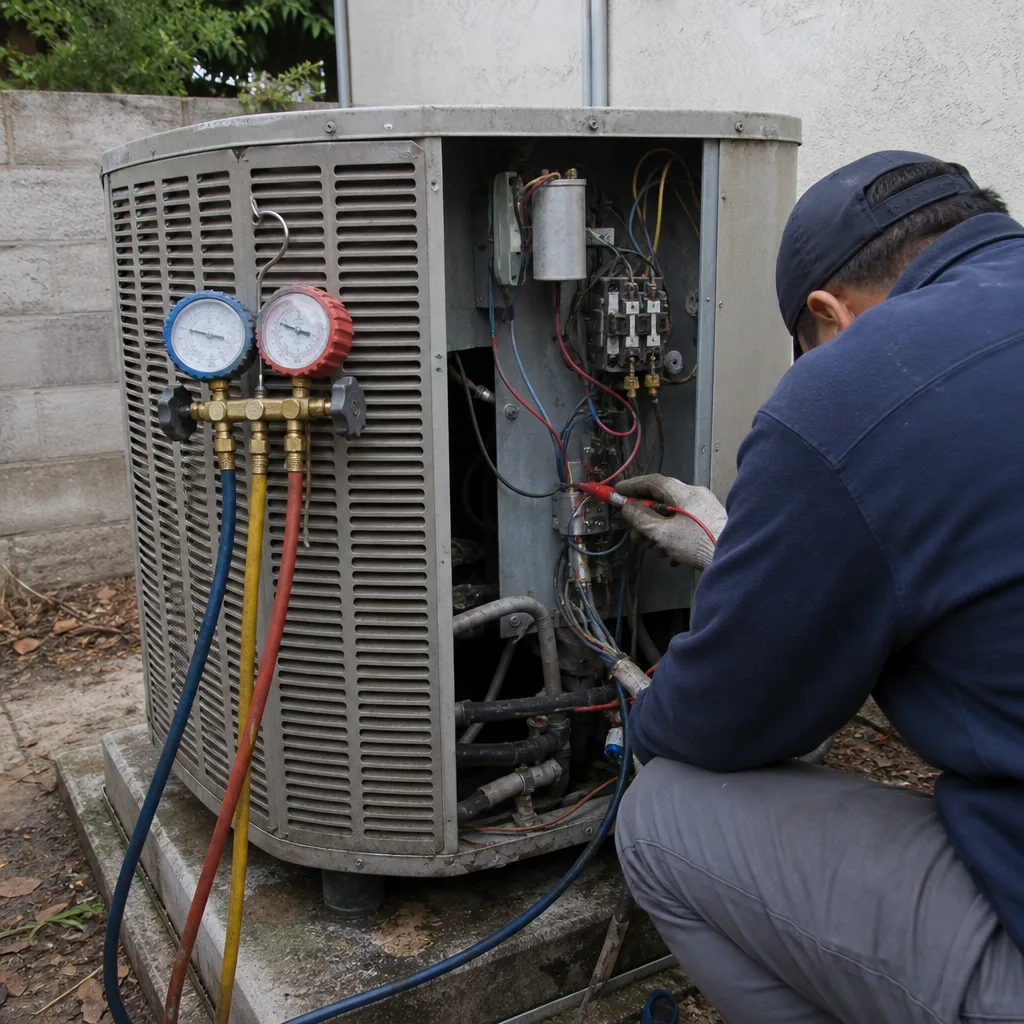 Before
 After
 Before
 After
 Before
 After
When to Call a Professional
Call a licensed HVAC contractor for anything that changes the system itself, not just fixes it: a new AC or heat pump, a full system replacement, new ductwork, a furnace swap, or adding a mini-split zone. Those are the jobs that trigger a permit, and the permit is the paper trail that protects your equipment warranty and your home’s sale. Call a professional too if you’re not sure whether a permit is required; the honest answer requires a description of the job and, often, a call to the city, and that’s exactly the kind of question we answer before any work is scheduled. If your existing system is failing and you’re trying to decide between repair and replacement, a proper diagnosis comes first, and the permit conversation follows the scope, not the other way around. AC Repair Inglewood offers free estimates in Inglewood. Call (866) 942-9087. We answer 24/7. Fast dispatch from 7am to 7pm, Sunday through Friday.
Frequently Asked Questions
In most cases, yes. Replacing a full AC system (condenser and air handler or furnace) requires a permit from the City of Inglewood Building & Safety Division under the California Mechanical Code, because the fuel and electrical connections are being remade and must be inspected. A strictly like-for-like condenser swap with no other changes is a gray area, so the safe move is to call the city and describe the job before work begins. Call (866) 942-9087 for an exact quote on your job and we’ll walk through the permit scope.
Title 24 is California’s energy code, and it applies to new HVAC installations, including in Inglewood. It sets requirements for documented system sizing, duct sealing and tightness, refrigerant charge verification, and equipment efficiency thresholds. The practical effect is that a compliant install begins with a load calculation rather than a guess, and the equipment must meet the efficiency minimums current at the time of installation. Call (866) 942-9087 and we’ll tell you what your home needs, not what costs more.
It can. Most manufacturers condition their warranty on proper installation by a licensed contractor and, in codes that require it, a permit and inspection. The warranty language varies by brand, but the pattern is consistent: a manufacturer can decline a claim where the installation was never permitted and inspected. If you own a Carrier, Trane, or American Standard system and the warranty matters to you, keeping the permit record current is part of protecting it. Call (866) 942-9087 if you’re unsure whether your install was permitted.
Most failures produce a correction notice, a list of specific items the inspector wants fixed, and the job is re-inspected once those items are addressed. Common corrections include missing labels, blocked access, an unsealed duct joint, or incomplete Title 24 paperwork. A more serious deficiency, like equipment that doesn’t match the permitted model or a gas venting concern, can trigger a full re-inspection that adds more time. Call (866) 942-9087 and we’ll help you understand what your inspection report is asking for.
You can list it, but the unpermitted install is a common escrow problem because the buyer’s inspector looks for permit records and the seller usually has to either pull a retroactive permit or discount the sale. The fix is often to pull the permit late and re-inspect, which can mean opening finished surfaces to show the work. The cleanest path is to resolve it before listing, on your timeline, rather than at the buyer’s. Call (866) 942-9087 and we can look at the install and tell you what a retroactive permit would involve.
Timelines vary with the city’s workload and the job scope, so we don’t quote them as firm numbers. Simple residential mechanical permits often move through plan review quickly, and the permit is issued before the install is scheduled, so the permit adds time at the front of the job rather than the back. If your project is time-sensitive, raise that early rather than at the last minute. Call (866) 942-9087 and we’ll schedule the permit step alongside the install.
The Bottom Line
The rule that matters most in Inglewood is the one that catches homeowners at the worst moment: the permit is the legal record of the HVAC work on your house, and it gets read when you sell, when you file a warranty claim, and when your insurer is assessing a loss. Most HVAC work that changes, adds, or replaces a system requires a permit under the California Mechanical Code, and Title 24 energy compliance is what the inspection is largely verifying. The permit fee is small; the cost of skipping it is neither. If you’re installing, replacing, or unsure, the right first step is a clear scope and an exact quote. Call (866) 942-9087 for a free estimate. We answer 24/7. Fast dispatch from 7am to 7pm, Sunday through Friday.
Written by the team at AC Repair Inglewood.