
Last updated November 16, 2026
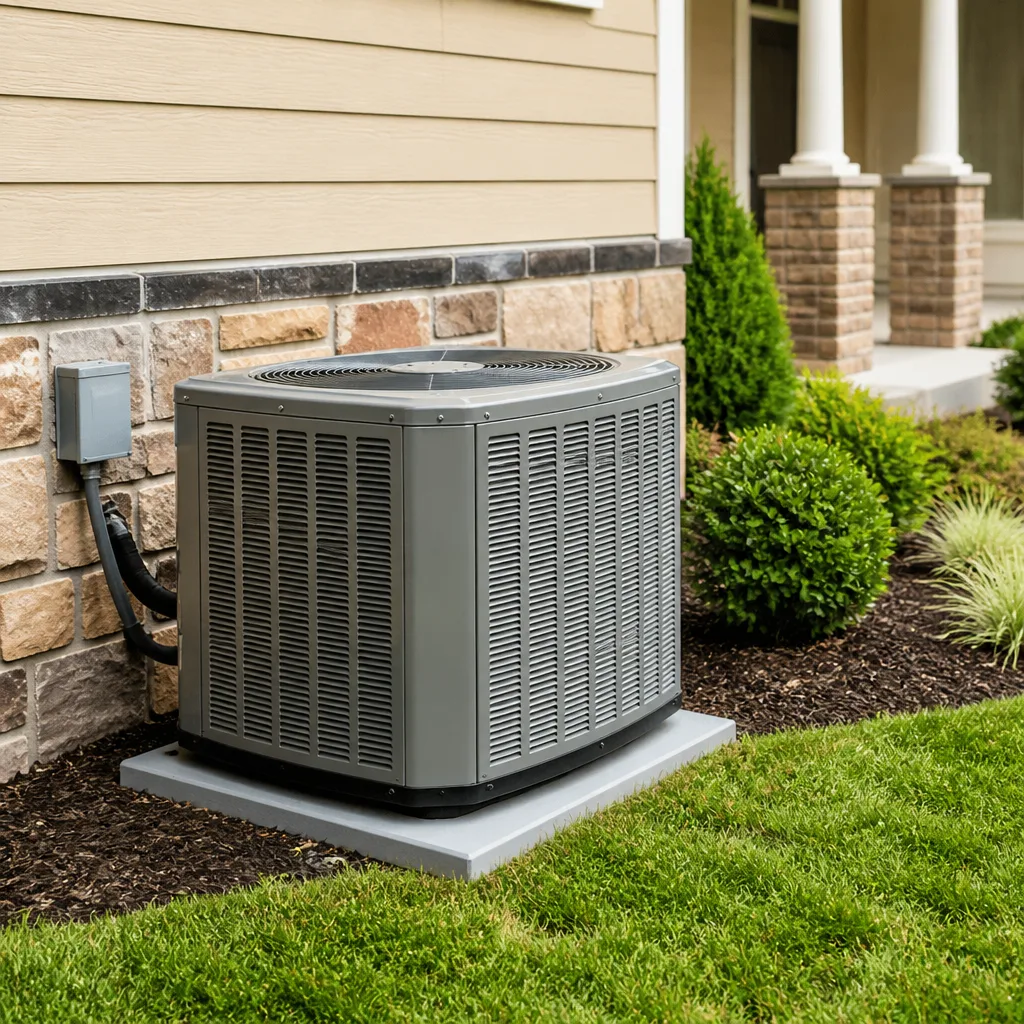 AC repair
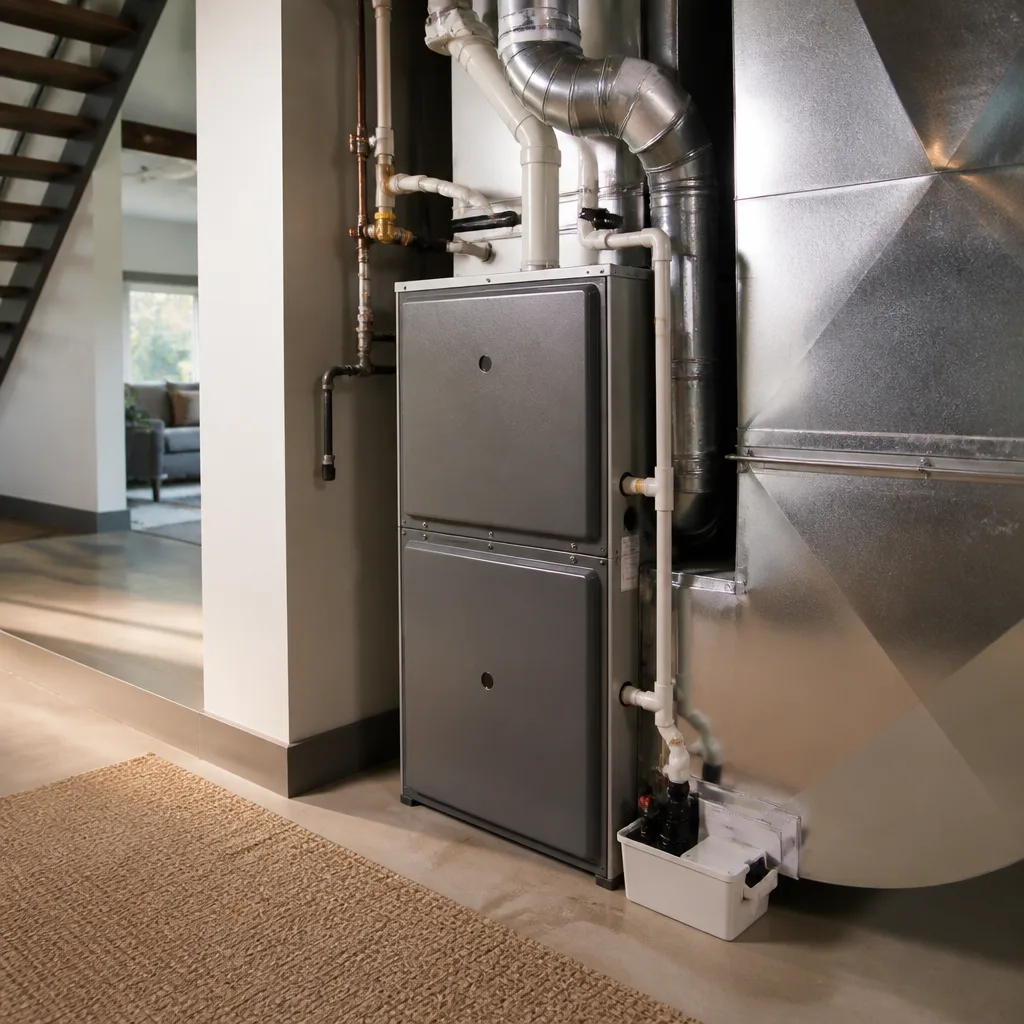 Furnace & heating
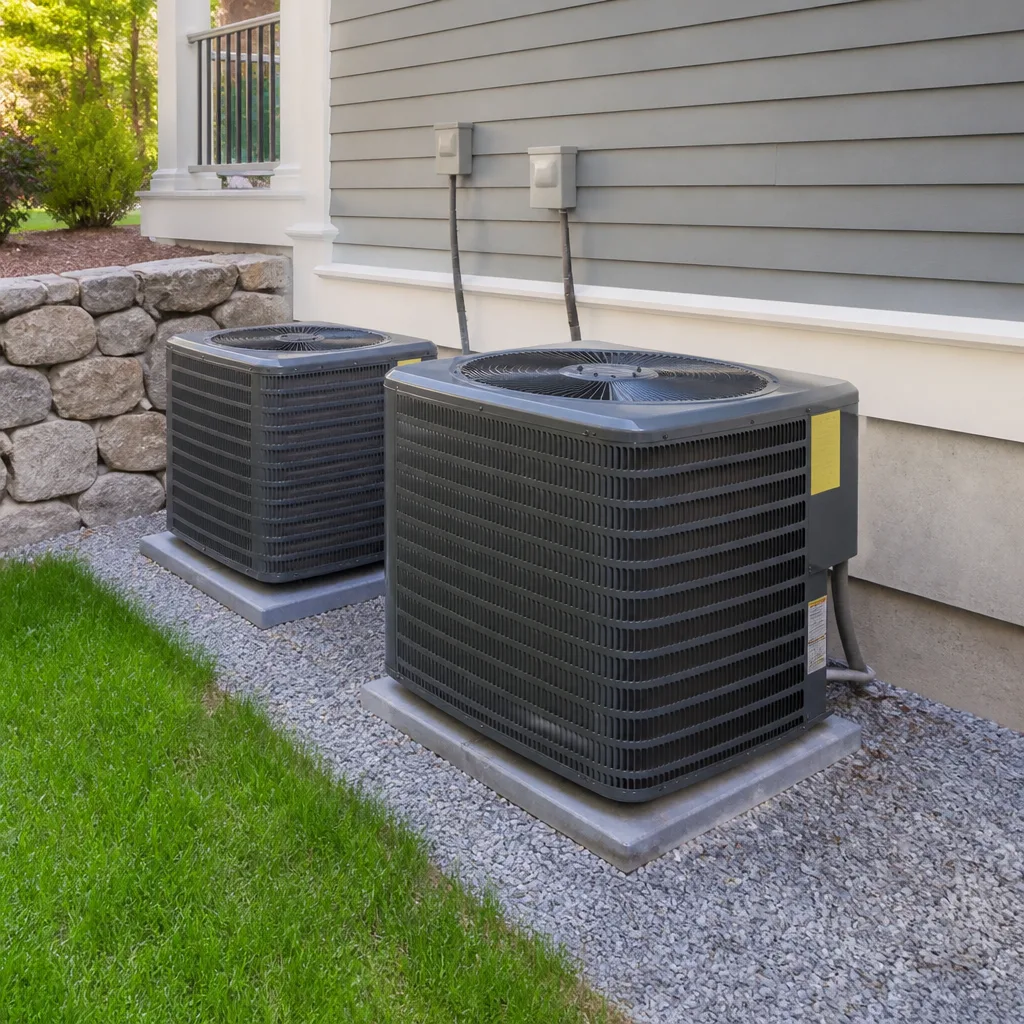 Heat pumps
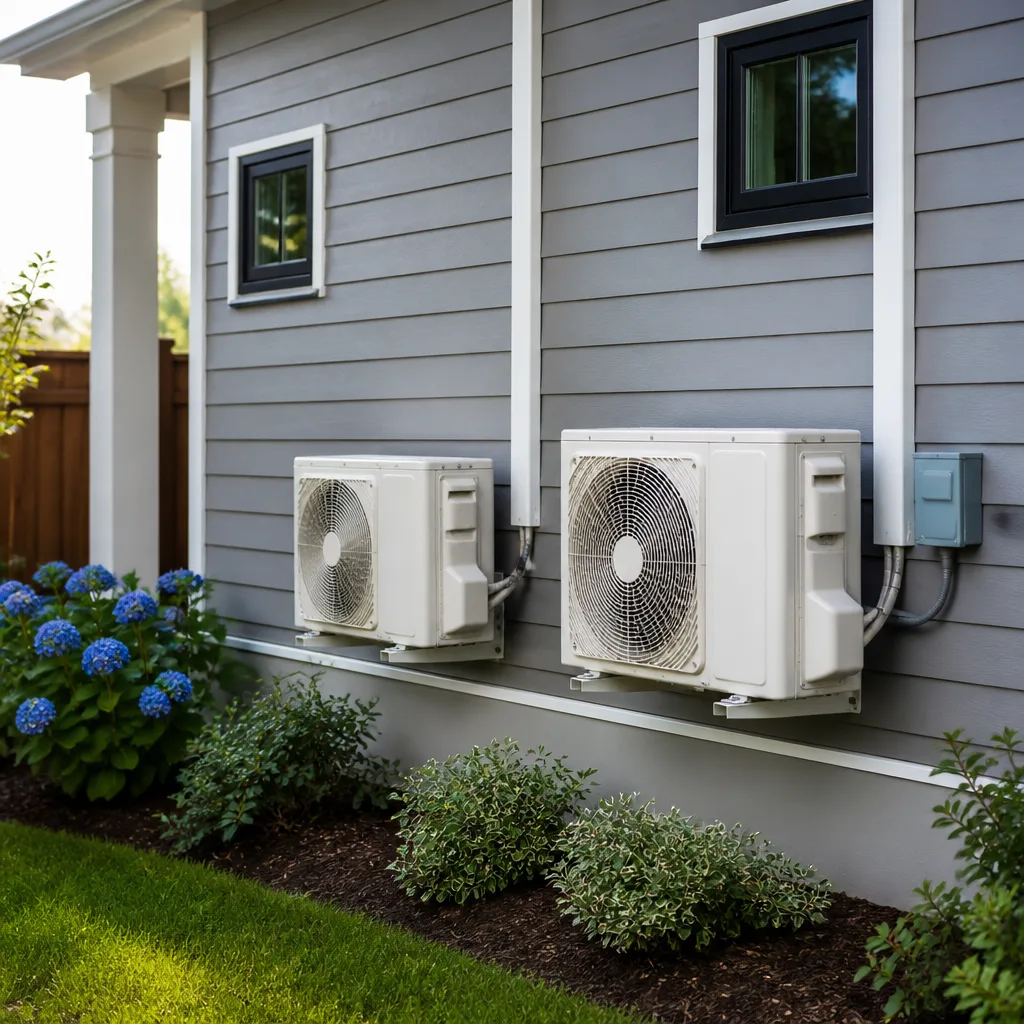 Ductless mini splits
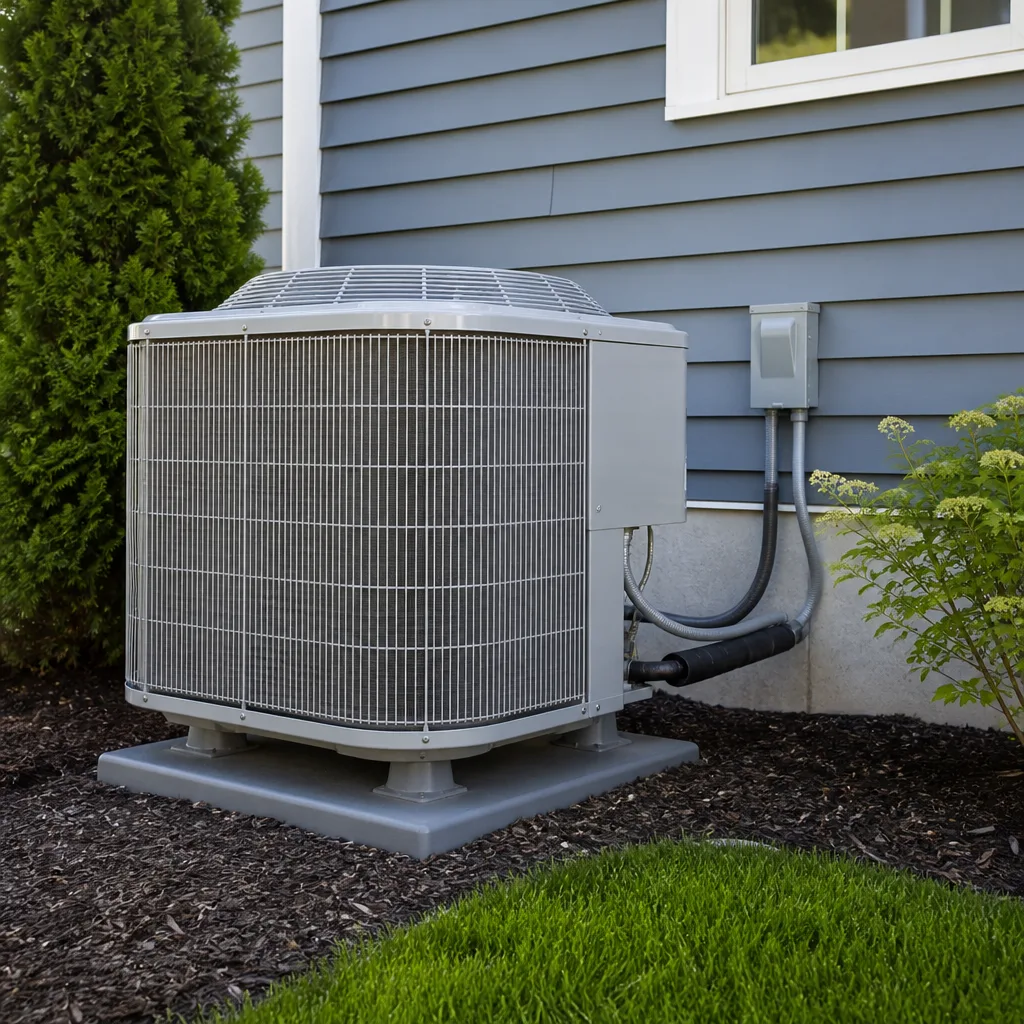 Carrier
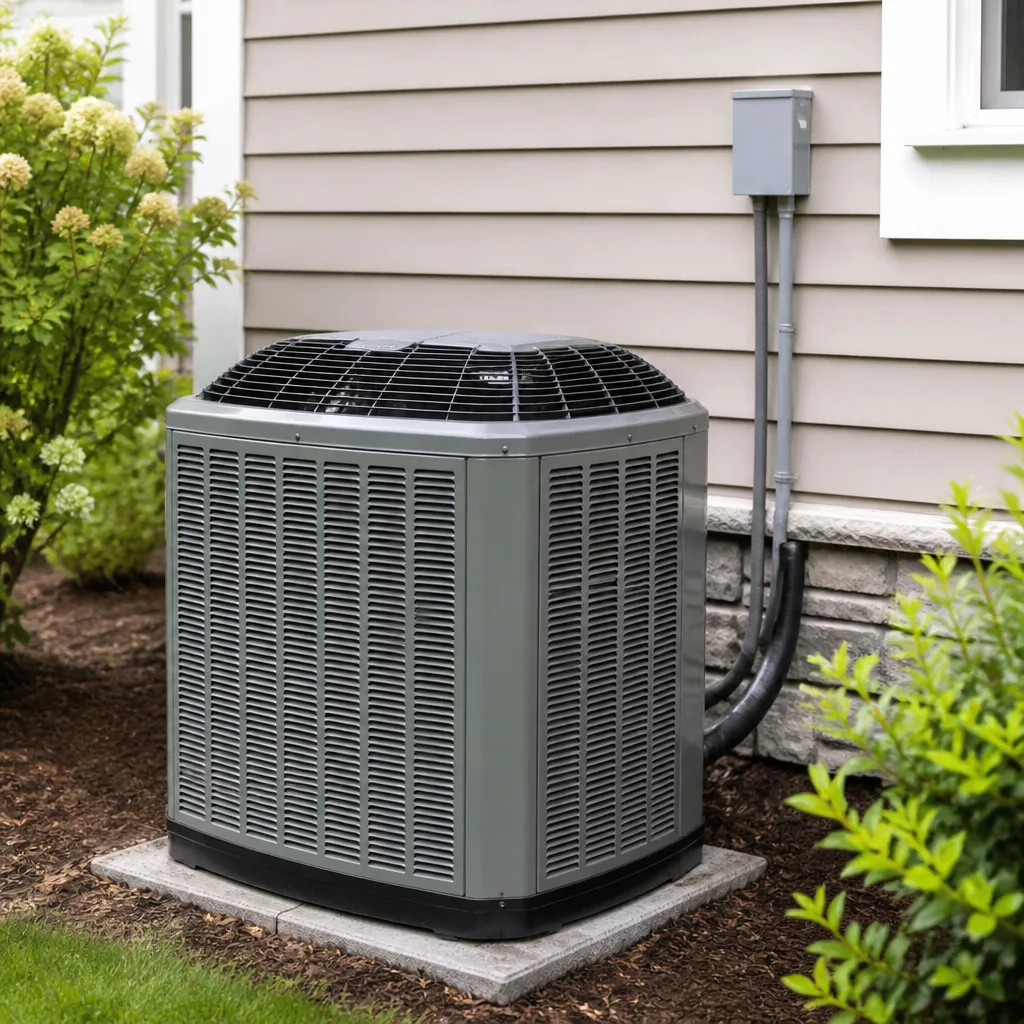 Trane
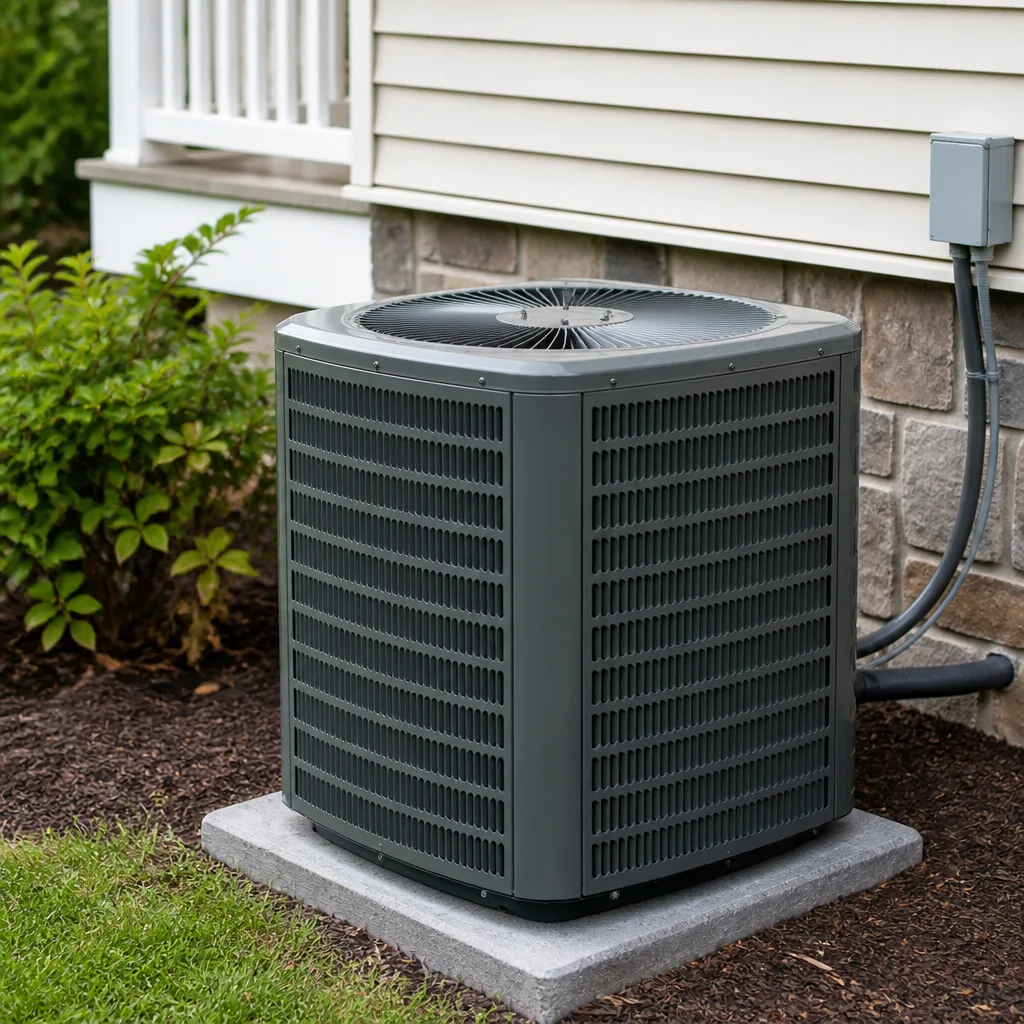 Goodman
Seasonal tune-up and full diagnostic on your Carrier, Trane, or Goodman system - readings shown to you before any repair is proposed
Diagnosis first, numbers second - you approve the repair price before a single part goes in.
Get your free estimateHVAC Warning Signs: An Inglewood Homeowner’s Reference Guide
Most warning-sign lists are written backward. They describe the noises and smells that show up after a problem has already compounded – the screech of a failed bearing, the smell of a burned-out motor, the puddle under a stopped system. By then, you’re not diagnosing anything; you’re scheduling an emergency call and hoping the fix is cheap. A refrigerant leak doesn’t announce itself with a bang. It shows up first as a slightly longer run cycle in June, then as rooms that never quite reach the set point, then as a frozen coil you discover in July when the system quits entirely. This guide teaches Inglewood homeowners to read the earlier, quieter signals, the ones that give you time to schedule a repair instead of reacting to a breakdown.
Quick Answer
The earliest HVAC warning signs in an Inglewood home are usually behavioral, not dramatic: run cycles that stretch longer than they used to, rooms that drift a few degrees off the thermostat setting, weak airflow at one register, or a system that starts and stops more often than it did last summer. Catching these Stage 1 signals lets you book a repair on your schedule. The dramatic signs – loud banging, burning smells, repeated breaker trips – mean the problem is already urgent and the system may need to be shut off.
Styles & brands we work with
- AC repair
- Furnace & heating
- Heat pumps
- Ductless mini splits
- Carrier
- Trane
- Goodman
Table of Contents
- The Tiered Warning Sign Framework
- Stage 1: The Signs That Are Easy to Miss
- Stage 2: The Signs That Are Inconvenient
- Stage 3: The Signs That Are Urgent
- Reading Unusual Sounds by Type
- The Thermostat Response Test
- Warning Signs in Older Inglewood Housing Stock
- Service Call This Week vs. Turn It Off Now
The Tiered Warning Sign Framework
We sort the signs we hear about into three stages, because the right response depends entirely on which stage you’re in. Stage 1 signs are quiet. They don’t stop your house from being comfortable yet, which is exactly why they get ignored for weeks. Stage 2 signs make the house uncomfortable or make the system work visibly harder. Stage 3 signs mean something is actively failing and every additional hour of runtime adds risk or cost.
The framework matters because the stage – not the specific symptom – tells you what to do. A single click at startup might be Stage 1. That same click getting louder and repeating every cycle is arguably Stage 2. A thud that shakes the floor is Stage 3. In our experience, homeowners who learn to place a symptom on this ladder stop treating every odd noise as either nothing or a crisis, and start timing their calls correctly.
- Stage 1: Behavioral drift. Longer cycles, slight temperature misses, occasional clicks. Book a service visit within a week or two.
- Stage 2: Performance drop. Weak airflow, uneven rooms, frequent cycling, an iced line. Book within days.
- Stage 3: Active failure. Loud mechanical noise, burning smell, repeated breaker trips, no heat or no cooling in extreme weather. Turn it off and call.
Every symptom below belongs somewhere on this ladder. Your job as a homeowner is to place it, not to diagnose the part that failed.
Stage 1: The Signs That Are Easy to Miss
Stage 1 signs hide inside normal operation. Nothing is broken yet in a way that forces your attention, so they only reveal themselves if you actually watch the system. These are the observations worth making once a month during cooling season and once during heating season.
- Longer run cycles than last year. If your AC used to cycle off every fifteen minutes on a similar day and now runs twenty-five, note it. A system working longer to hit the same set point is telling you capacity has slipped – often a charge issue or a restricted coil.
- Rooms that just miss the mark. A bedroom that held 72 last summer and now settles at 75 isn’t a comfort preference. It’s a distribution or refrigerant signal worth tracking.
- A faint click at startup that repeats. Thermostats and contactors click as they engage. A single click is normal; a chatter of several clicks before the fan starts is a Stage 1 flag.
- Dust around a supply register that wasn’t there before. Slightly reduced airflow can let dust settle at the grille instead of moving through the room.
- Slightly higher energy bills with no change in habits. Long run times show up on the bill before they show up as a complaint.
Stage 1 signs are the reason this guide exists. They’re the ones that give you the runway to schedule AC repair in Inglewood before a small charge loss turns into a frozen coil in the heat of summer.
Stage 2: The Signs That Are Inconvenient
Stage 2 signs are the ones you actually notice without looking. The house is uncomfortable, the system is loud, or something looks wrong at the equipment. These warrant a call within a few days, not a few weeks. On a Trane or Lennox system, a Stage 2 sign often points to a specific, identifiable fault the technician can catch on a first visit if you describe it well.
- Weak airflow at most or all registers. A clogged filter causes this suddenly and evenly; a failing blower or a duct restriction causes it gradually. Either way, airflow is the system’s voice.
- Uneven cooling between rooms. One room dramatically colder than the rest suggests a damper, a duct leak, or a blower that’s lost its push.
- Short cycling. The system turns on and off far more frequently than it should. When a system is oversized, or the thermostat is misreading, or a safety switch is tripping, this is what you see.
- A hissing or bubbling sound from the outdoor unit. Refrigerant moving through a leak or a partially restricted metering device can make this sound. It’s often a Stage 2 refrigerant indicator.
- Ice on the indoor coil or the refrigerant line. A frozen line means the system is running low on charge or is starved of airflow. Ice is a symptom, not a cause.
If you’re seeing an icing line or hissing, this is the point where a diagnostic visit is cheaper than waiting. That’s the logic behind our free estimate on any AC installation or repair decision – you get a real diagnosis before you commit to a fix.
Stage 3: The Signs That Are Urgent
Stage 3 signs are the ones that mean turn it off. These are the failures that risk a component, a safety device, or the equipment itself. On the furnace side they also carry a real safety concern, which is why the answer here is never “keep running it until we can get there.”
- A burning or electrical smell from the furnace or air handler. Turn the system off and open windows. This can indicate a failing motor, wiring issue, or overheated component. Do not restart it to “see if it happens again.”
- Loud banging, clanking, or grinding. A bearing that has reached Stage 3 will destroy itself and possibly the blower. The same applies to a compressor on the outdoor unit.
- Repeated breaker trips on the HVAC circuit. A breaker that trips after the system runs for a while, then trips again after reset, is telling you something in the circuit is drawing too much current. Have it checked by a trained professional.
- No heat during a cold snap or no cooling during a heat wave. Comfort is one issue; a failed system in extreme heat is a genuine health risk, especially for older residents and young children. Get on the phone.
For a Stage 3 furnace problem in an Inglewood home, this is where furnace repair becomes time-sensitive, and turning the system off before calling is the safe move.
Reading Unusual Sounds by Type
You don’t need tools to tell three common sounds apart, and knowing which is which will help whoever you call. The three we hear about most often are the contactor buzz, the bearing squeal, and the heat exchanger tick.
- Contactor buzz. A low, steady hum or buzz from the outdoor unit or furnace cabinet, usually at startup. The contactor is the electrical switch that starts the compressor or burner. A faint, single buzz is normal running sound. A loud, vibrating buzz that continues after the fan starts often means the contactor is worn or pitted. This is a Stage 1 or early Stage 2 sign.
- Bearing squeal. A high, sharp, almost metallic whistle. Outdoor unit fans and indoor blower motors both have bearings, and a dry or worn bearing squeals before it seizes. A squeal that shows up only at startup and then fades is Stage 2. A squeal that stays while the fan runs, or escalates into grinding, is Stage 3 – those bearings are on their way out.
- Heat exchanger tick. A metallic tick-tick-tick during the first minutes of furnace operation. Metal expanding as the heat exchanger warms up produces a faint tick. If your furnace has always ticked lightly at startup in the first cool weeks, that’s often just that. A new, loud, or repeated ticking combined with reduced heat output deserves a professional check, because the heat exchanger is the furnace’s safety-critical component.
None of these descriptions tell you what part to replace. They tell you which days within the next few weeks to plan around, which is the useful part. A Goodman or Rheem system with a loud contactor buzz doesn’t need a different approach than a premium brand – the sound tells the story.
The Thermostat Response Test
Before calling anyone about a “slow cooling” problem, there’s one observation you can make that separates an equipment-side issue from a refrigerant side issue. It’s called the thermostat response test, and it’s not really a test you run with a tool – it’s a measurement of how the system responds to the thermostat’s call.
Here’s what it is: with the thermostat set to a fixed temperature and the fan set to AUTO, note two things. First, whether the system turns on within a minute or two of the call for cooling. Second, whether the indoor blower moves air through all your registers, and whether the air out of the register during cooling feels consistently cool.
- System starts normally, air flows through every register, air is cold but the house warms up anyway. This points to a refrigerant or capacity issue. The system is trying; it just can’t keep up.
- System starts, but airflow drops or stops at some registers. This usually points to airflow-side problems: a clogged filter, a failing blower, a closed damper, or a duct restriction. Check the filter first.
- System doesn’t start when the thermostat calls, or starts and stops in short bursts. This points to a control or safety-switch issue. Not something to chase further as a homeowner.
That said, the moment you smell something electrical or the breaker trips, stop the test. Those aren’t signal reading – they’re emergencies. On any Inglewood Inglewood home, a twenty minute thermostat observation is worth it before the call, because the answer changes who you’re telling what.
Warning Signs in Older Inglewood Housing Stock
Older housing stock behaves differently from a new build, and the warning signs that matter most depend on which of three setups your home uses: original ductwork, a two-pipe system, or an attic-mounted air handler. Each one has specific failure modes worth knowing.
Original ductwork. Kitchens, bathrooms, hallways, and additions in older Inglewood homes often show signs of ducting that has aged in place – tape that has cracked, flexible runs that have sagged, and returns sized for a different era of equipment. Watch for rooms that never seem to get their share of air, or a dusty smell at the return. A partially disconnected run can quietly bleed conditioned air into the crawl space or attic while the house seems warm but not cool.
Two-pipe systems. Some older homes use a hot-water two-pipe system with radiators or baseboards fed by copper piping. These systems develop freeze-related or corrosion-related signals that show up as cold patches at one radiator, uneven heating between floors, or a gurgling noise when the system starts. Gurgling in a two-pipe system is a Stage 2 sign – the loop is admitting air, and it will only get worse.
Attic-mounted air handlers. An air handler in the attic is more exposed to heat and dust, and its condensate drain is long and often shallow. Watch for a wet stain on the ceiling below the handler; that’s a condensate overflow you can catch early if you check the pan after a hard run. Attic-mounted equipment also runs hotter, so its bearings and contactors age faster.
Any of these homes calls for a technician who’s worked the same setups before. If you’re weighing whether to repair or replace, our guidance on the honest math is worth reading before you commit.
Service Call This Week vs. Turn It Off Now
Homeowners ask us one question more than any other: is this a week problem or a now problem? The answer comes down to whether the symptom involves mechanical damage in progress, a safety device, or just a comfort shortfall.
These justify a service call within the week, not the hour:
- Longer run cycles than last season
- One room running a few degrees off
- A contactor that buzzes audibly at startup
- A faint whistle from the outdoor unit fan at startup
- Airflow weaker than it should be with a clean filter
- Any Stage 1 or Stage 2 sign you can comfortably describe
These justify turning the system off now:
- Burning or electrical smell
- Grinding or loud banging from the equipment
- Repeated breaker trips
- Ice forming on the indoor coil or line while the system runs
- No heat during a cold snap or no cooling during a heat wave
- Any sign that worries you and you don’t recognize – when in doubt, off
When you’re not sure which column you’re in, turn the system off and give us a call – that’s a two-minute decision that protects the equipment and gives you a real diagnosis without guesswork.
Common Mistakes to Avoid
- Trusting the “it’s still running, so it’s fine” rule. A system that runs nonstop in June is not fine; it’s telling you its capacity has slid. Running until failure turns a repair into a replacement.
- Replacing a filter to “fix” a long cycle. A clogged filter absolutely matters, and it’s the first thing to check, but changing it doesn’t reset a system that’s long-cycling for other reasons. Note whether the cycle changed, and report it.
- Ignoring one room that’s off. In older Inglewood homes, a single room that never quite cools is usually the first sign of a duct problem, and it compounds quietly for a whole summer if you ignore it.
- Restarting after an electrical smell or a breaker trip. Restarting to see if it happens again risks the equipment and, with a furnace, risks more than that. Turn it off and call. Safety first, always.
- Letting a Stage 1 sign ride to Stage 3. The whole point of the tier framework is that you have time. Losing the runway is a choice, not bad luck.
- Assuming a premium brand will have fewer warning signs. A Trane or Lennox system has the same signs as a Goodman – the signs just show up at different ages. Brand changes the expected lifespan and the parts cost, not the diagnostic logic.
- Calling about a symptom but staying vague. “It’s not working” is the least useful thing you can tell us. Say what’s different this week than last summer – that’s the observation that puts a technician on the right track on the first visit.
See the difference
 Before
 After
 Before
 After
 Before
 After
When to Call a Professional
Call a professional when you see a Stage 3 sign – burning smell, grinding, repeated breaker trips, or no heat during a cold snap. Call within days for Stage 2 signs like weak airflow or ice on the line. And call within the week for Stage 1 signs: a long cycle, a room that just misses the set point, or a chatter at startup. The point of this guide isn’t to talk you out of calling; it’s to help you call at the right time with the right information. Our technicians have up to 10 years of experience, and we work on Carrier, Trane, Lennox, Goodman, Rheem, York, Daikin, Bryant, and American Standard systems, so your existing brand isn’t a barrier. AC Repair Inglewood offers free estimates in Inglewood – call (866) 942-9087.
Frequently Asked Questions
A longer run cycle than last summer, before anything else. If your AC used to turn off after fifteen minutes and now runs twenty-five to thirty minutes to reach the same set point, that’s the earliest measurable sign. Note it, check the filter, and if it doesn’t resolve, schedule a visit before the heat peaks.
No. A single click when the thermostat engages the system is normal. A rapid chatter of several clicks before the fan starts, or a buzz that continues after the fan starts, is a contactor issue worth having looked at within the week. Watch for whether the click is one sound or several, and whether it happens every cycle.
Run the thermostat response test. If the system starts normally, air flows through every register, and the air out of the register feels cold, but the house warms up anyway, it’s likely refrigerant or capacity. If airflow drops or stops at some registers, it’s airflow-side. Either way, keep the filter clean and describe both observations to the technician.
Watch the pan under the handler and the ceiling below it. Attic-mounted air handlers have long condensate drains that can clog or back up, and a slow overflow often shows first as a faint stain on the ceiling below. Checking the pan after a hard run is a few seconds’ work that can save a ceiling repair.
No. Turn the furnace off and open windows. A burning or electrical smell from the furnace or air handler can point to a failing motor, wiring issue, or overheated component, and continuing to run it risks the equipment and safety. Do not restart it to see if it repeats. Call a trained professional.
Once a month during cooling season and once during heating season is a good rhythm, plus after any big weather swing. Look at run times, listen at startup, and check airflow at a couple of registers. Fifteen minutes of attention each month is what keeps small problems from becoming emergency calls.
The Bottom Line
Warning signs matter most in their earliest form, when they’re cheap to fix and easy to miss. Use the three-stage framework: watch for long cycles and temperature misses in Stage 1, weak airflow and icing lines in Stage 2, and burning smells, grinding, and repeated breaker trips in Stage 3. Learn the difference between a contactor buzz, a bearing squeal, and a heat exchanger tick. Run the thermostat response test before you call about slow cooling, and read the signals your ductwork or attic handler is sending you in an older home. Call us at (866) 942-9087 for a free estimate. We answer 24/7. Fast dispatch from 7am to 7pm, Sunday through Friday.
Written by the team at AC Repair Inglewood.